Here's a sobering stat that most fashion merchants miss: 61% of shoppers are enrolled in loyalty programs but feel no genuine connection to the brands behind them. They're members in name only, dormant accounts collecting dust while customers shop competitors.
This isn't a problem with loyalty itself. It's a problem with how it's being executed.
The fashion industry spends more on discounting than any other sector, yet brands with truly exceptional loyalty programs operate in a completely different league. Nordstrom reports 70% of sales from Nordy Club members. Nike members spend 3x more than non-members. These aren't accidents.
The difference comes down to strategy. Most fashion brands slap points on transactions and call it a day. The best ones engineer entire ecosystems around customer values, exclusivity, and belonging.
This article breaks down exactly what sets the top 10 fashion loyalty programs apart, how their mechanics work, and what you can borrow for your own store. You'll see which strategies actually move the needle, which ones are traps, and how to avoid the pitfalls that sabotage most programs.
The ten programs below are live examples you can study today. If you want the strategy behind them first, our complete guide to fashion loyalty programs covers program types, tier design, and choosing what to reward.
Why Customer Loyalty is the New Fashion Frontier
The Undeniable ROI of Engaged Shoppers
Let me lead with the numbers, because they're staggering. Loyal customers spend 220% more annually than one-time buyers. They're 4x more likely to repeat purchase, and when they do, they spend 43-67% more per transaction. Active loyalty program members are 6x more likely than non-members to make their next purchase within 30 days.
Here's what I've noticed working with ecommerce brands: the ROI calculation for loyalty programs terrifies merchants initially. They see the platform cost, the reward liability, the team time investment. Then they calculate the math on actual customer behavior, and suddenly it clicks. Loyalty programs can deliver 4.8x return on investment and generate 15-25% annual revenue increases.
The real lever isn't just increasing repeat purchase rate. It's shifting customer acquisition economics entirely. When your loyal customers spend 57% more overall and return with much higher frequency, your customer acquisition cost per lifetime dollar becomes dramatically cheaper. You stop chasing endless new traffic and start mining the goldmine already in your database.
Calculate the ROI of your program with actual data from your store, and you'll see why top brands treat loyalty as non-negotiable infrastructure, not optional marketing.
Beyond Discounts: Building Emotional Connections
Here's where most fashion brands mess up: they confuse loyalty programs with discount schemes.
A discount is transactional. It says, "Buy now, pay less." A loyalty program says, "We see you. We value you. Here's why you belong with us."
The brands setting the standard understand this distinction viscerally. They've moved beyond "earn 1 point per dollar" into territory where points are just one tool in a larger ecosystem. They're building community. Offering experiences. Celebrating values. Creating insider status that people actually care about.
Think of it like the difference between a coupon code and a club. A coupon works once and disappears. A club creates ongoing identity and belonging.
This matters especially for Gen Z, which makes up an increasing share of fashion purchases. These customers don't just want deals. They want brands aligned with their values, communities that reflect who they are, and experiences that feel exclusive and earned.
Build a strong brand community that transcends transaction, and retention rates shift dramatically.
The Blueprint for a Standout Fashion Loyalty Program
Tiered Structures: Elevating the Customer Journey
Tiered loyalty programs work like this: customers progress through levels (Member → VIP → Platinum, or Bronze → Silver → Gold) based on spending, engagement, or a combination of both. Each tier unlocks escalating benefits.
Nordstrom's Nordy Club is the gold standard here. Base members earn points. Nordy Club members get bonus earnings and birthday rewards. Nordy Club Plus members unlock concierge services, personal styling, and exclusive event access. The progression creates natural aspiration. Customers actively work toward the next tier because the benefits actually matter.
The beauty of tiered systems is psychological. They leverage gamification and status in ways pure points systems can't. A customer doesn't just earn rewards; they climb a visible ladder. Their status becomes part of their identity with your brand.
For fashion specifically, tiers work exceptionally well because fashion is inherently about status and self-expression. Tiered loyalty programs tap directly into that psychology.
Points and Beyond: Rewarding Every Interaction
Points are the foundation of most loyalty programs for good reason. They're easy to understand, flexible to redeem, and create clear earning rules. Customers earn points for purchases, reviews, referrals, social media engagement, or anniversary milestones. They accumulate and redeem toward discounts, exclusive products, or experiences.
But here's a contrarian take that research supports: over-reliance on purely points-based loyalty is becoming outdated, especially for Gen Z-focused fashion brands.
Why? Because 62% of Gen Z prefer sustainable brands, yet most points systems reward consumption, the opposite of what environmentally conscious customers value. Points feel transactional. They reduce loyalty to math. And they inherently incentivize discounting, which trains customers to wait for sales rather than pay full price.
The brands winning with Gen Z aren't abandoning points entirely. They're complementing them with experiential rewards, sustainability incentives, and community benefits that feel less like a discount program and more like insider membership in something that matters.
The North Face's XPLR Pass rewards app downloads, event attendance, and brand exploration, not just purchases. Patagonia's Worn Wear program credits customers for repairing and recycling gear. These programs create emotional connection alongside transactional benefit.
Exclusive Access & Experiential Rewards: The VIP Treatment
Exclusive access is one of the most underutilized leverage points in fashion loyalty. Early access to new collections, members-only sales, private shopping events, personalized styling sessions. These create value that has nothing to do with discounts.
Research shows 58% of customers value invitations to exclusive in-store events as a key loyalty benefit. That's a massive signal that experiences and access matter more than many merchants realize.
Lululemon Membership exemplifies this. Members get early access to new products, special events, and exclusive fitness classes. It's not about discounts. It's about belonging to something that adds value to your lifestyle.
For luxury and mid-market fashion brands especially, this approach is critical. Offering deep discounts on luxury items can feel cheap and undermine brand positioning. Offering exclusive experiences elevates the brand while rewarding loyalty meaningfully.
Omnichannel Harmony: A Seamless Experience
Fashion brands increasingly operate across websites, apps, and physical stores. A loyalty program that doesn't work seamlessly across all channels is a loyalty program that frustrates customers.
The most frequent complaint I've heard from customers of broken loyalty programs: "I earned points online, but my in-store purchase didn't count. I had points saved, but I couldn't redeem them on my phone. The app showed different tier status than the website." Each instance is a tiny betrayal of trust.
Omnichannel integration means a customer's loyalty account is the same whether they shop online at 11 PM or in your flagship store on Saturday. Points balance is live. Tier status is consistent. Rewards are redeemable anywhere. This sounds basic, but it's where most programs fail.
Kith has built a reputation partly on its seamless omnichannel experience. The app is the loyalty hub, and it works perfectly whether you're shopping online, checking in-store availability, or buying in person.
Personalized Pathways: Data-Driven Engagement
Generic loyalty programs treat all customers identically. Sophisticated ones segment and personalize ruthlessly.
A customer who buys sustainable activewear should see sustainability-focused rewards. A luxury customer who buys full-price items should see exclusive access rather than discounts. A customer whose purchase history shows seasonal buying patterns should receive timely campaigns during their predictable buying windows.
This level of personalization requires capturing and analyzing customer data: purchase history, browsing behavior, engagement patterns, and stated preferences. Platforms that enable this kind of segmentation and dynamic reward rules outperform one-size-fits-all systems dramatically.
Sustainability at the Core: Appealing to Conscious Consumers
Sustainability isn't a nice-to-have in modern fashion loyalty. It's increasingly non-negotiable, especially for younger customers.
Patagonia's Worn Wear program is transformative here. Customers earn store credit for returning worn-out gear for repairs or recycling. It directly incentivizes circular behavior over consumption. H&M's membership rewards customers for garment recycling. These programs align loyalty incentives with customer values in ways that feel authentic and meaningful.
For fashion brands specifically, this is a massive opportunity. Younger customers expect brands to care about environmental impact. Loyalty programs that reward sustainable behavior (buying from sustainable collections, recycling, swapping pieces) create alignment between brand mission and loyalty incentives.
The Shopify loyalty program growing brands trust
See how Mage helps Shopify brands lift repeat purchase rate with loyalty, referrals and store credit.
Book a demo10 Fashion Loyalty Programs Setting the Standard
Nordstrom: The Nordy Club
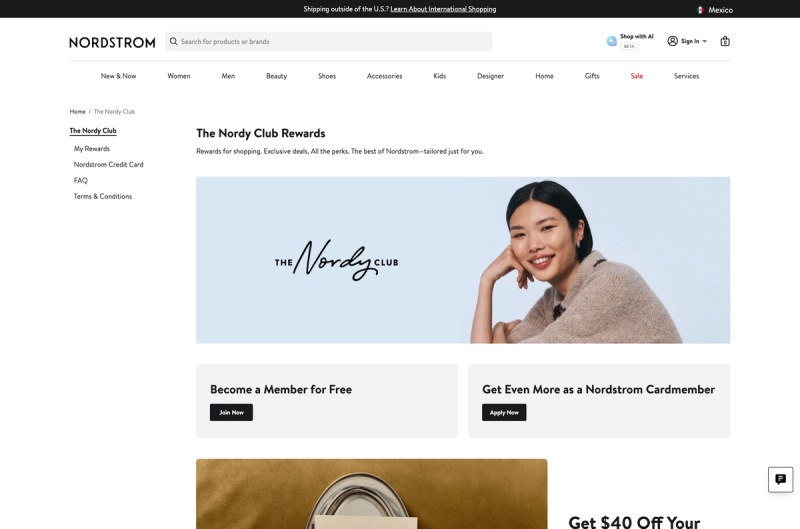
What makes it exceptional isn't the points structure. It's the complete ecosystem. Base Nordy Club members earn points and birthday rewards. Nordy Club Plus members (annual fee or spending threshold) unlock personal stylists, concierge services, free alterations, and invitations to exclusive events.
The psychological design is brilliant. You're not paying for discounts; you're joining a luxury experience. The benefits justify the tier even before you consider point earnings. Nordstrom reports that 70% of their sales come from Nordy Club members. That's not just retention. That's complete dominance.
Key takeaway: Experiential benefits and service-level perks drive engagement far more reliably than discount depth.
Lululemon: Lululemon Membership
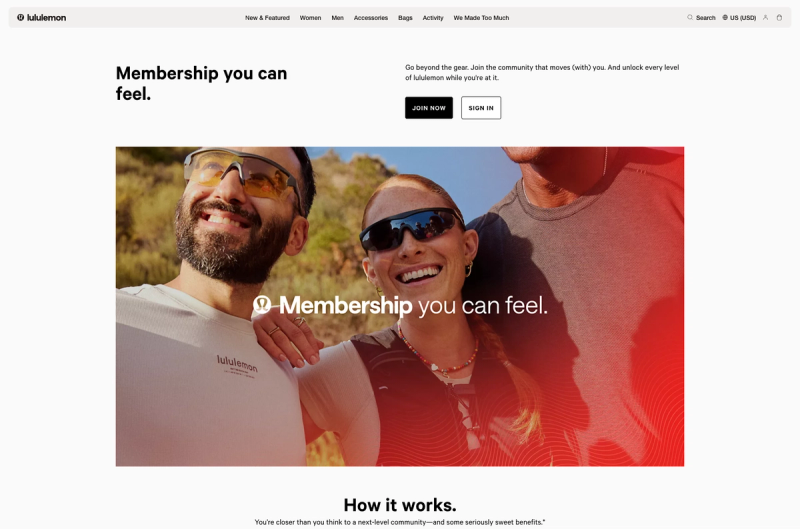
Lululemon treats loyalty as community building, not transaction optimization. Members get early product access (often 24 hours before general release), invitations to exclusive fitness events, and special pricing on swag and merch.
The power here is that most benefits have nothing to do with price. Access to classes and community events creates lifestyle integration. Customers identify as Lululemon members because the program adds genuine value to their lives, not just their wallets.
Key takeaway: Lifestyle and community integration creates deeper loyalty than discount-focused programs.
H&M: H&M Membership
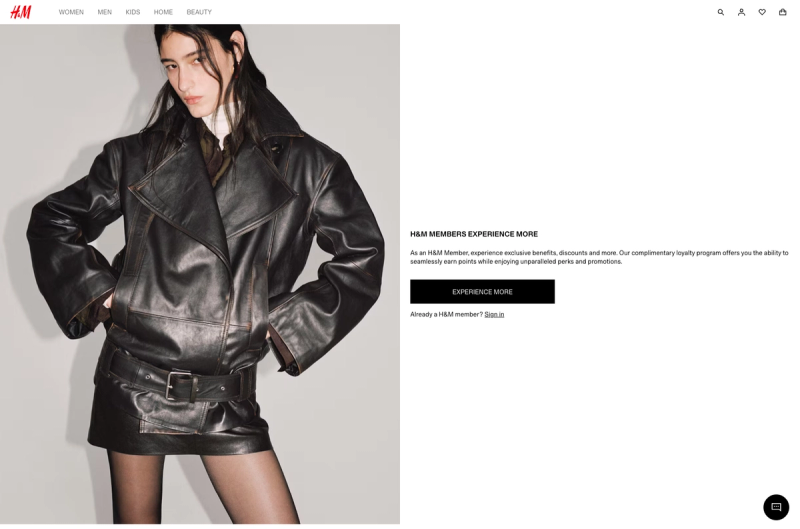
H&M operates at a completely different price point than Nordstrom or Lululemon, yet its loyalty program is equally sophisticated. Members earn points on all purchases, redeemable for discounts or special offers. But the program also includes free shipping, birthday rewards, early access to sales, and, critically, rewards for garment recycling and sustainability actions.
This is how a fast-fashion brand maintains credibility with younger, more conscious customers. It's transparency: "We know you care about sustainability. Here's how loyalty rewards that."
Key takeaway: Even in mass-market fashion, aligning loyalty incentives with customer values increases engagement and retention.
Nike: Nike Membership
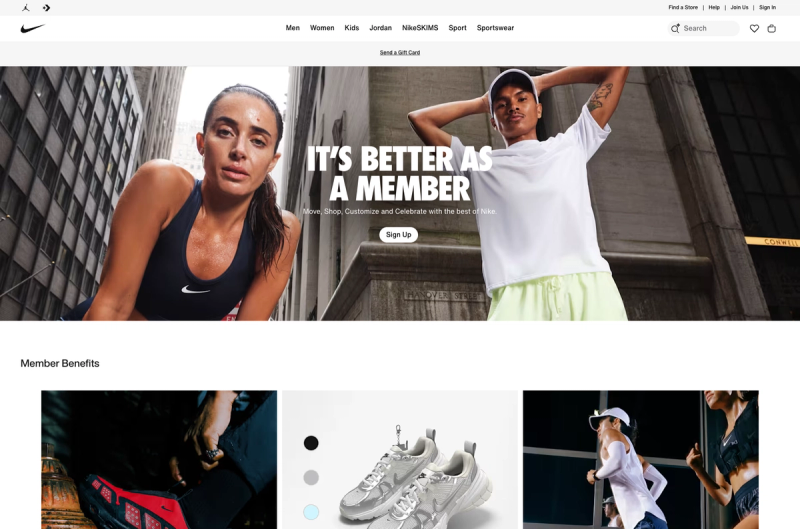
Nike's program is tech-enabled to an extent most brands haven't reached. Members get exclusive product drops (often through the SNKRS app), early access to limited releases, personalized recommendations based on browsing history, and access to app-exclusive fitness challenges and community features.
Nike members spend 3x more than non-members. That gap exists because the program creates genuine insider status and access that money alone can't buy. The scarcity of exclusive drops creates urgency. The app experience creates addiction through engagement.
Key takeaway: Technology, personalization, and exclusivity compound to create exponential value perception.
Sephora: Beauty Insider
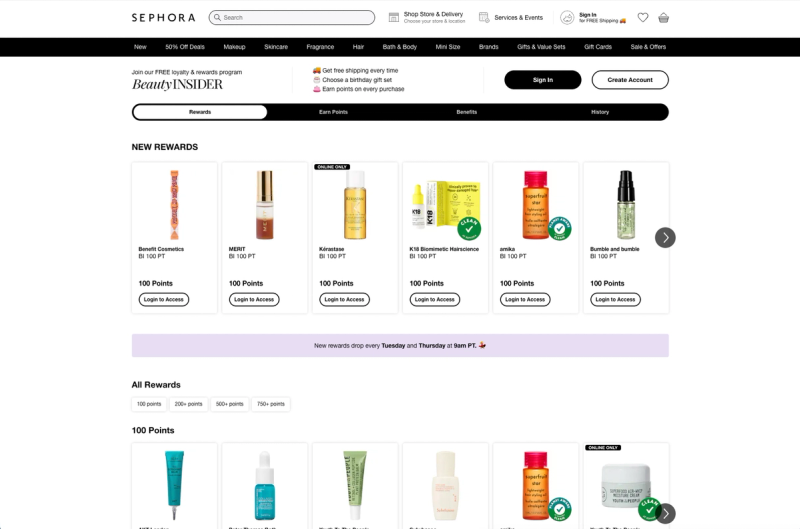
While Sephora isn't fashion, its principles are directly transferable. The tiered points system (Rouge, VIP, Insider) with increasing benefits is textbook execution. Members earn points on purchases, redeemable for products or experiences. Rouge members get free shipping, early access to sales, and exclusive products.
What distinguishes Sephora is point density and redemption variety. Points feel achievable. Redemption options range from small items to exclusive products to brand experiences. This drives both engagement and repeat visit frequency.
Key takeaway: Achievable earning rates and diverse redemption options maximize program participation and value perception.
Alo Yoga: Alo Access
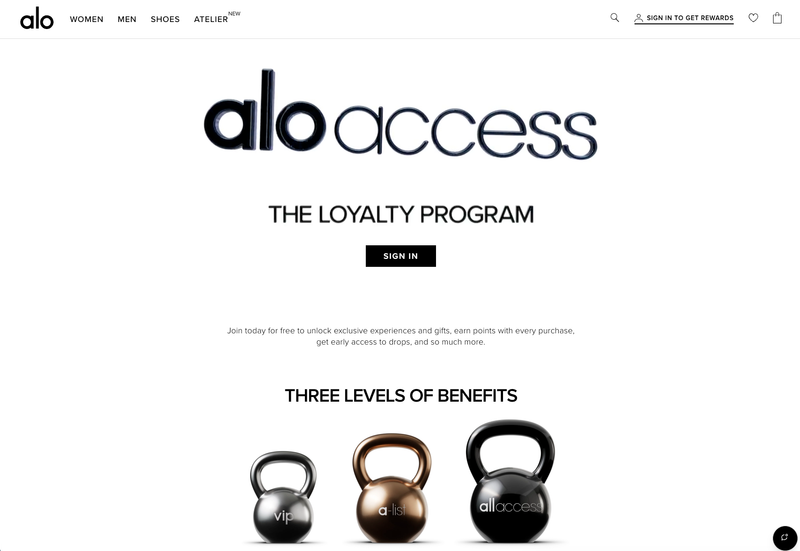
Alo Access is membership with progression. Base members get discounts and early access. Higher tiers unlock exclusive fitness content (Alo Moves classes), community access, and premium product offerings.
The genius move is digital content integration. Loyalty creates access to lifestyle content that has intrinsic value separate from products. This is aspirational loyalty positioning. The program delivers on the lifestyle the brand sells, not just the clothes.
Key takeaway: Digital content and community create loyalty moats that pure product discounts can't replicate.
The North Face: XPLR Pass
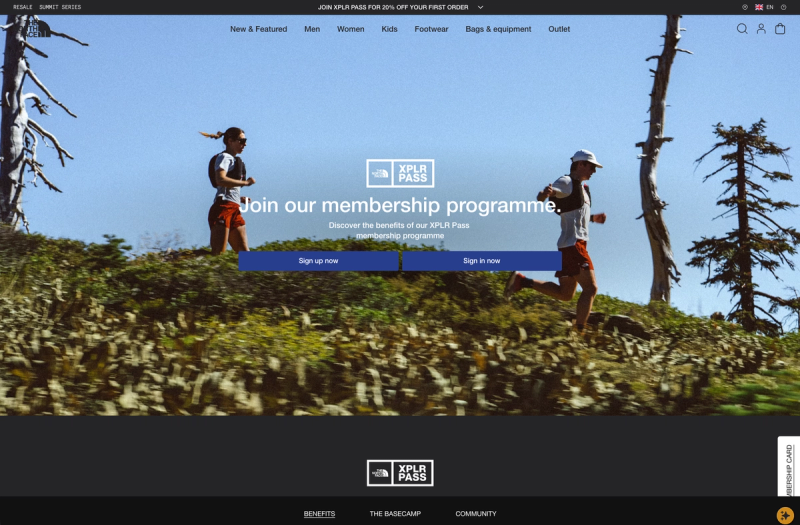
The North Face rewards exploration and engagement as much as purchases. Members earn points for app downloads, event attendance, trail reviews, and community contributions, not just buying gear. Points redeem toward gear, experiences, or even donations to environmental causes.
This program recognizes that outdoor enthusiasts are already engaged with the brand community. Loyalty rewards that engagement and channels it back into the brand experience.
Key takeaway: Broadening rewardable actions beyond transactions creates loyalty depth and brand integration.
Patagonia: Worn Wear Program
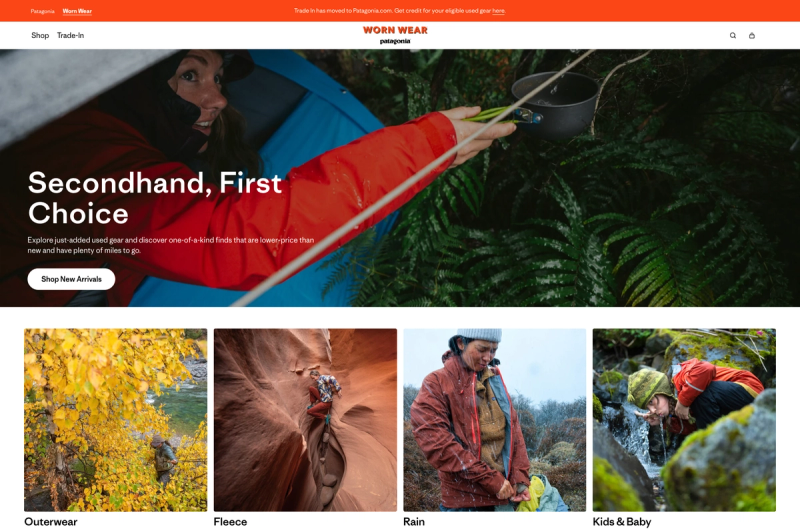
Patagonia's loyalty program is radical: it rewards you for not buying new. The Worn Wear program gives store credit for returning worn-out gear for repair or recycling. Customers literally earn loyalty points by reducing consumption.
This is values-based loyalty at its purest. For Patagonia's customer base, this program is more powerful than traditional discounts because it proves the brand actually cares about environmental impact, not just marketing it.
Key takeaway: Purpose-driven loyalty programs resonate intensely with value-conscious customers and create brand defensibility.
Kith: Kith App Loyalty
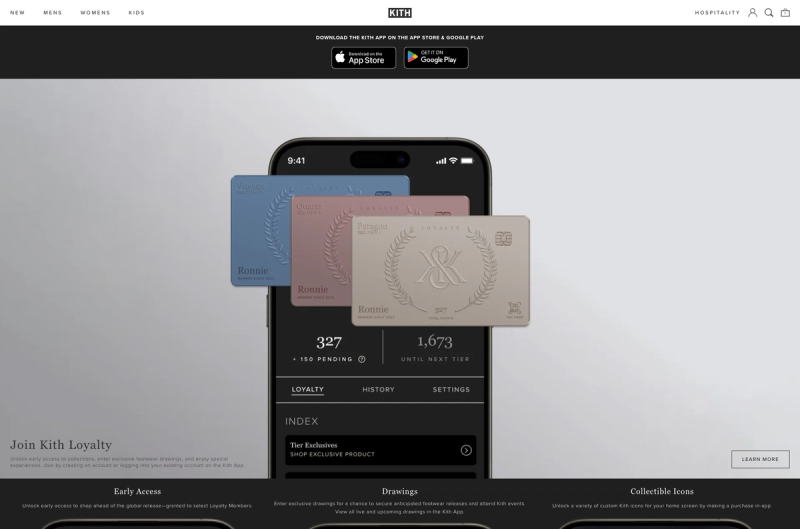
Kith treats its app as the loyalty hub and loyalty strategy combined. Points are earned, but the real benefit is exclusive access to limited drops and early product releases. The app gamifies scarcity. Members get first shot at limited items before they sell out.
Kith's loyalty isn't primarily about discounts. It's about access. And for hype-driven fashion brands, access to exclusive product is more valuable than any discount could be.
Key takeaway: Exclusivity and scarcity create loyalty value more effectively than discount depth in certain brand categories.
Hugo Boss: HUGO BOSS Experience
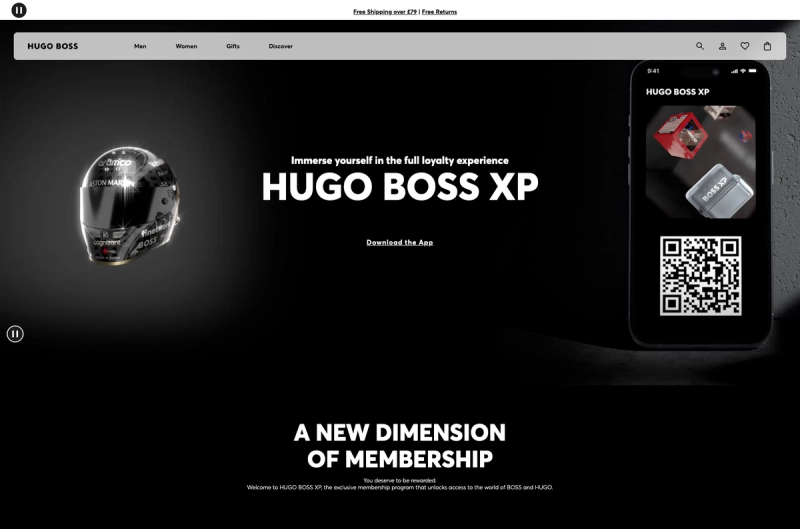
Hugo Boss positions loyalty as membership in a luxury experience, not a discount club. Members get personalized styling consultations, invitations to exclusive events and fashion shows, and special pricing on select items. The program reflects luxury positioning. Benefits are curated, service-oriented, and exclusive rather than discount-heavy.
Key takeaway: Luxury brands can run high-performing loyalty programs by focusing on service, curation, and exclusivity rather than aggressive discounting.
“I looked into so many different integrations for loyalty and referrals for our Shopify Store, but no one impressed me more than Mage on human connection, customer service, and value.”


Read the Reelie case study →
Common Loyalty Program Pitfalls to Avoid
Generic Rewards: Why "One Size Fits All" Fails
A customer who buys $3,000 worth of luxury pieces receives the same rewards structure as someone who buys $100 basics. Generic reward structures fail to differentiate value or create meaningful aspirations. Engagement plummets because the program feels generic.
The fix is segmentation and tiering. Different customer types should receive different value propositions. High-value customers need premium benefits. Emerging customers need achievable goals.
Poor Integration & User Experience: Frustrating Customers
This is where many programs die quietly. A customer earns points but can't find where their balance displays. They're promised exclusive access but the app never sends notifications. The in-store register doesn't sync with online points. Redemption flows are confusing or limited.
The research statistic that 61% of shoppers feel less loyal despite enrollment despite enrollment largely stems from user experience friction. Programs that fail operationally destroy trust even if the underlying concept is solid.
Over-Reliance on Discounts: Devaluing Your Brand
When loyalty becomes synonymous with discounting, you've lost the game. Customers train themselves to wait for loyalty discounts. Regular pricing feels like a penalty. Your margins compress because loyalty members feel entitled to markdowns.
The brands winning aren't discount-heavy. They're experience-heavy, access-heavy, and community-heavy. Discounts exist, but they're not the primary value driver.
Neglecting Post-Launch Optimization: Set It and Forget It is a Recipe for Failure
Loyalty programs are living systems that require continuous monitoring and iteration. What works in month one may feel stale in month six. Customer preferences evolve. Market conditions shift. Competitive offerings change.
The best programs are continuously tested, measured, and evolved. They adjust reward structures based on redemption data. They retire benefits that underperform and expand ones that resonate. They gather customer feedback and act on it.
Measuring Success: Beyond the Basic Metrics
Engagement and revenue metrics matter, but they tell incomplete stories. Track these critical indicators:
Customer Lifetime Value (CLTV): The total revenue a customer generates over their relationship with your brand. Loyalty programs should meaningfully increase this. If CLTV for program members isn't substantially higher than non-members, your program isn't working.
Average Order Value (AOV): Program members should spend more per transaction than non-members. If they don't, your tier structure or exclusive offers aren't functioning as intended.
Purchase Frequency: How often loyalty members repurchase compared to the general customer base. This is where loyalty programs truly shine. They should increase repeat purchase cycles significantly.
Retention Rate: What percentage of customers who were active last period remain active this period? Loyalty programs should improve this metric measurably.
Point Redemption Rate: What percentage of earned points are actually redeemed? Low redemption rates signal that your rewards aren't sufficiently desirable or achievable.
Active Member Percentage: What percentage of enrolled members are actively engaging with the program? High enrollment but low activity indicates poor program design or communication.
To connect loyalty activities to actual revenue, segment customer analysis by loyalty status. Compare the spending patterns of active program members versus non-members, controlling for tenure. Use A/B testing to measure the incremental impact of specific program features or campaigns.
An external analysis from industry loyalty research confirms that fashion brands measuring loyalty ROI rigorously see 15-25% revenue uplift when programs are designed strategically.
Building Your Own Repeat-Purchase Machine (Especially for Shopify Merchants)
Choosing the Right Loyalty Platform
Not all loyalty platforms are created equal, especially for Shopify merchants. Key capabilities to evaluate:
Customization: Can you design custom tiers, reward rules, and point structures specific to your brand? Generic templates fail. Your program needs to reflect your unique value proposition.
Integration: Does the platform integrate natively with Shopify? Can it connect with your email platform (Klaviyo, Omnisend), SMS tool, and POS system if you have physical locations?
Omnichannel Support: Especially important for fashion brands with both online and retail presence. Can the program track points and tier status across all channels seamlessly?
Analytics & Reporting: Can you segment customers, track lifetime value, measure redemption patterns, and forecast loyalty program ROI? You need dashboards that answer business questions, not just show raw data.
Specific Shopify Features: Look for platforms that support collection-level point multipliers (rewarding specific product categories differently), spend-based VIP tier triggers, two-sided referral programs, and offer store credit for exchanges rather than just discounts.
Test each with your specific use case before committing.
Launching Your Program: A Step-by-Step Guide
Step 1: Define Your Goals
What are you actually trying to accomplish? Increase average order value? Reduce churn? Drive product discovery? Build community? Your goals should directly determine program mechanics and reward structures.
Be specific. "Increase retention" is vague. "Reduce monthly churn rate from 7% to 5% within 6 months" is measurable.
Step 2: Design Your Mechanics
Will you use points, tiers, experiential rewards, or a hybrid? Different mechanics serve different goals. Points drive transactional engagement. Tiers create aspirational goals. Experiences build emotional connection.
For most fashion brands, a hybrid approach works best. Points form the foundation. Tiers add progression and aspiration. Experiential benefits (exclusive access, early drops, styling sessions) differentiate the program and create genuine belonging.
Step 3: Outline Your Rewards
What will members actually want to redeem? Discounts are safe but uninspiring. Exclusive products are powerful. Early access to sales or new collections creates urgency. Brand experiences (styling sessions, VIP events) build community.
Survey your existing customer base. What do your most loyal customers actually value? Let actual customer preferences guide reward design, not assumptions.
Step 4: Craft Your Communication Strategy
How will you introduce the program? Through email to your existing subscriber list? Homepage banners? SMS? In-store signage? A multi-channel approach works best. Customers need multiple exposures to a new program to engage.
Your communication should clearly explain how to earn, how to redeem, and what unique value membership provides. Avoid jargon. Make it obvious that the program is worth their participation.
Step 5: Implement and Test
Set up your loyalty platform and thoroughly test the member experience from signup through earning and redemption. Test across devices and browsers. Ensure point attribution works correctly. Verify tier calculations are accurate.
Small technical failures destroy trust. Spending time testing prevents the customer service nightmare of point attribution errors or tier miscalculations.
Step 6: Soft Launch & Feedback
Start with a limited rollout to your most engaged existing customers. Collect feedback on mechanics, reward appeal, and user experience. Are members confused about how to earn? Do the reward options feel valuable? Is redemption intuitive?
Use this feedback to refine before full launch. A program that's 80% optimized at full launch outperforms a program that's "perfect" in theory but breaks in practice.
Iteration and Evolution: Keeping Your Program Fresh
A loyalty program launch isn't an end point. It's the beginning of continuous optimization. Monthly, you should review:
- Which earning activities are driving the most engagement?
- Which redemption options are most popular?
- Are tier progression rates what you expected, or are they too fast/slow?
- What customer feedback is emerging?
- How has program ROI evolved since launch?
Quarterly, you should conduct deeper analysis:
- What's the lifetime value difference between active program members and inactive members?
- Which customer cohorts are engaging most deeply with loyalty?
- Are there unexpected redemption patterns that signal unmet needs?
- How has your program affected brand health metrics like NPS and repeat purchase rate?
Use these insights to iterate. A reward structure that worked brilliantly for the first quarter may need adjustment in quarter two based on actual customer behavior. The programs that stay competitive are the ones that evolve.
Here's a comprehensive guide to loyalty programs that dives deeper into implementation details and optimization strategies if you want step-by-step blueprints for launching in specific categories.
For loyalty in the fashion industry specifically, segment-specific strategies and benchmarks help you understand what excellence looks like for your particular niche, whether you're luxury, fast fashion, athletic, or sustainable.
Frequently Asked Questions
How can a loyalty program help a fashion brand increase repeat purchases?
Loyalty programs increase repeat purchases by creating clear incentive structures that reward return visits. A customer earns points toward future discounts with each purchase. Tier structures create aspiration. Achieving the next tier status motivates spending toward thresholds. Exclusive access and experiential benefits make membership feel exclusive and valuable. The combination of points, progression, and experiences significantly increases both purchase frequency and average order value for engaged members.
Research shows active loyalty program members are 4x more likely to repurchase than non-members, and they repurchase at 43-67% higher transaction values. The mechanism works because you've transformed a one-time transaction into an ongoing relationship with clear benefits.
What's the difference between points-based and tiered loyalty programs?
Points-based programs reward every action with cumulative points redeemable toward rewards. A customer buys a $100 item, earns 100 points, and can redeem when they accumulate enough. It's simple, transparent, and easy to understand.
Tiered programs segment members into levels (Bronze, Silver, Gold) based on annual spending or activity. Each tier unlocks escalating benefits. Bronze members get standard points rates. Silver members get 1.5x points and exclusive early access. Gold members get 2x points, VIP customer service, and exclusive events.
The difference: Points-based rewards consistency. Tiered programs create aspiration and progression. Points-based alone can feel transactional. Tiers feel like club membership.
Most successful fashion programs blend both. Tiered structure creates the emotional engagement. Points within each tier create the earning mechanics. Nordstrom's Nordy Club, for example, uses both. Tiers determine service level and exclusive access, points determine discount value earned.
Should fashion brands offer paid memberships?
It depends on your position and customer segment. Luxury and premium brands (Lululemon, Hugo Boss) successfully charge membership fees because they offer service-level benefits (styling consultants, concierge, VIP events) that justify the cost. The fee itself creates perception of exclusivity.
Mass-market and mid-market brands typically don't charge. The friction of asking for money upfront reduces enrollment and engagement. These brands make loyalty free and fund program costs through increased lifetime value of engaged members.
If you offer paid membership, the benefits must be genuinely premium and demonstrably valuable. Customers comparing a $99 annual fee should easily see how the value exceeds the cost. Free programs scale participation but require higher engagement depth from a larger base to drive ROI.
How do luxury fashion brands run loyalty programs without cheapening their image?
Luxury brands avoid discount-heavy approaches. Instead, they focus on service, curation, exclusivity, and experiential benefits. Early access to limited collections feels premium, not cheap. Personal styling consultations feel luxurious. Invitations to exclusive brand events feel exclusive. Offering VIP customer service and concierge feels premium.
The key is ensuring loyalty benefits align with brand positioning. A luxury brand that discounts aggressively contradicts its positioning. A luxury brand that offers insider access and premium services reinforces positioning.
Hugo Boss Experience, Nordstrom's Nordy Club, and other successful luxury programs prove this works. They drive repeat purchase and increased spend while maintaining brand prestige because benefits feel aspirational and premium, not discounted.
What ROI can fashion brands expect from membership programs?
Well-designed loyalty programs deliver 4.8x average return on investment and drive 15-25% annual revenue increases. However, results vary significantly based on program design quality, execution, and customer segment.
High-performing programs see customer lifetime value increase 50%+ for active members compared to non-members. AOV typically increases 20-40%. Repeat purchase frequency increases 40-70%. Churn rates typically decrease 20-30%.
The ROI calculation includes platform costs, rewards liability, and team time investment. Most fashion brands see positive ROI within 6-12 months if programs are designed strategically and managed actively.

Kris is the co-founder of Mage Loyalty. I spend most days talking to merchants, shipping features, and making sure our customers get real results. If you run a Shopify store or Agency we should chat!