Here's a counterintuitive truth: the fashion industry's most successful brands aren't winning through cheaper prices or better logistics. They're winning by making customers feel like insiders.
That shift matters enormously. Customer acquisition costs in fashion have climbed to $129 in 2025, nearly double what they were just a few years ago. Ad platforms are saturated. Competition for attention is fiercer than ever. Yet remarkably, 54% of consumers are loyal to fashion brands, and loyal customers spend 43% more than non-loyal ones.
The difference between thriving and struggling often comes down to one thing: whether your brand has built genuine loyalty.
A dedicated fashion loyalty program isn't a nice feature anymore. It's strategic infrastructure. It's how modern fashion brands survive the relentless pressure on acquisition costs while building sustainable, profitable growth.
The data is compelling. A 5% increase in retention can raise profits by 95%. Loyal customers spend 2.5 times more than new ones. They refer 50% more people. They're less likely to abandon during slow months or when competitors run aggressive promotions. These aren't vanity metrics—they're the difference between healthy margins and constant struggle.
But here's what most fashion brands miss: loyalty programs deliver benefits that compound. You don't just retain customers better. You unlock rich data that fuels personalization. You create brand advocates who cost you nothing to acquire. You reduce your dependence on paid ads. You build emotional connections that make your brand irreplaceable.
In this guide, I'll walk you through the five most powerful benefits a well-implemented loyalty program delivers for fashion brands. More importantly, I'll show you specifically how to realize each one.
Benefit 1: Dramatically Increase Customer Lifetime Value and Revenue
The math here is simple but profound: loyalty programs make customers spend more, both per transaction and over their lifetime.
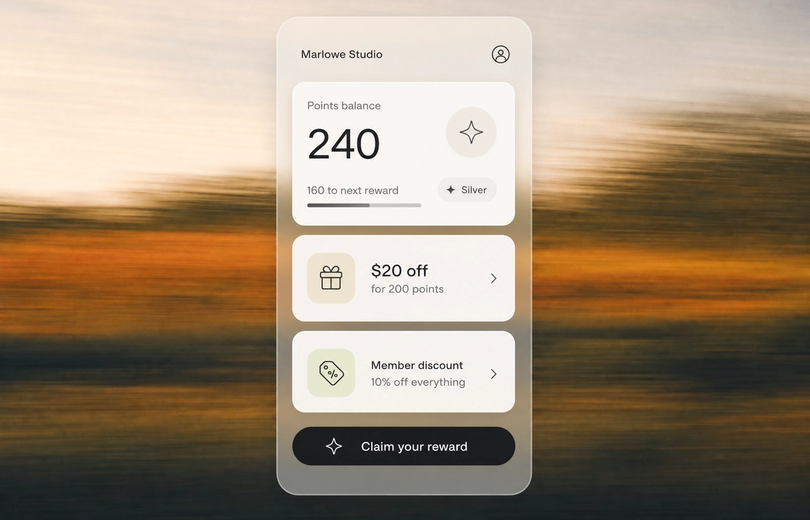
When you reward repeat purchases with points, tier progression, or exclusive access, you're creating a direct incentive to come back. But that's just the surface. Tiered reward structures work because they trigger something psychological. A customer needs 150 more points to unlock Silver status. Suddenly, they're not just shopping for what they need—they're shopping with purpose. The average order value ticks up 15-25% among loyalty members.
Real-world fashion examples show this clearly. A customer in your Gold tier gets early access to new collections. They don't just browse out of curiosity—they buy because access feels exclusive, limited, and earned. Another customer earns points on every purchase and discovers they're closer to a free luxury item than they thought. They add one more piece to the cart.
These behaviors compound. Loyalty members who shop more frequently increase their annual spend significantly. Over time, the cumulative effect is massive. A brand that transforms 30% of its customer base from passive to active loyalty members often sees CLTV increases of 25-95%.
But here's where fashion brands often stumble: they focus on transactional benefits only. Discount-based rewards feel commoditized. Everyone offers them. Instead, the highest-performing fashion loyalty programs balance transactional rewards with experiential ones. Early access to drops, exclusive in-store styling sessions, personal shopping invitations, or admission to brand events. These feel valuable because they can't be replicated by competitors.
The key is tracking your impact across specific product lines and seasons. Don't just measure overall CLTV growth. Track whether your luxury collection sells better to loyalty members. See if repeat purchase frequency increases during your slower months. This granular view helps you understand what's actually driving spend and where to optimize next.
Benefit 2: Master Customer Retention and Significantly Reduce Churn
Here's something that should terrify every fashion brand: acquiring a new customer costs 5-7 times more than retaining an existing one. And every customer you lose is one less person to learn from, sell to, and build into an advocate.
A 5% improvement in retention can increase profits by 95%. That's not a typo.
Loyalty programs create what I call "stickiness." They ensure customers have a reason to think about your brand regularly. A welcome email when they join. An anniversary reward on their signup date. Points reminders when they're close to redemption. A birthday offer. These touchpoints are small individually, but collectively they transform your brand from something customers occasionally remember into something they actively think about.
The retention mechanism works on two levels. First, transactionally: there's a concrete reason to come back because they've earned something. Second, emotionally: they feel recognized and valued. Emotional loyalty has grown 26% since 2021. That's the connection that prevents churn when competitors run aggressive sales or when a customer has a bad month financially.
Personalization is where retention becomes truly powerful. A customer who primarily buys classic pieces shouldn't receive bombarding emails about trendy streetwear. Someone who loves sustainable fashion should hear about your eco-friendly collections first. When you segment your loyalty program by preference data—style category, price point, sustainability values, channel preference—retention improves dramatically because every communication feels relevant rather than generic.
A Shopify loyalty program with deep customer data integration makes this possible at scale. You know who your customers are. You know what they've bought, when, and at what price point. You can automatically trigger personalized rewards and communications without manual effort.
Omnichannel integration is equally critical. A customer earns points when they buy online. They should be able to spend those points in-store. They pick up a piece at your flagship and their loyalty dashboard updates in real-time. This seamless experience across online, in-store, and mobile prevents the fragmentation that drives churn. When customers feel like they're one person across all your channels, not managed separately, retention improves measurably.
The Shopify loyalty program growing brands trust
See how Mage helps Shopify brands lift repeat purchase rate with loyalty, referrals and store credit.
Book a demoBenefit 3: Cultivate Powerful Brand Advocacy and Build Community
Loyal customers don't just repeat-purchase. They become your most effective marketing channel.
Repeat customers refer 50% more people than one-time buyers. But not all referrals are created equal. A generic "tell a friend" bonus generates weak referrals. A structured, two-sided referral program where the referrer gets rewarded and the new customer gets an incentive generates meaningful acquisitions.
Here's the psychology: when a customer refers their friend, they're vouching for your brand. That's far more powerful than any ad. That friend trusts them. The implied promise is "this brand is worth your time." Referrals convert at higher rates and show higher lifetime value than any other acquisition channel.
Shopify referral programs work best when they feel natural to customers. A fashion customer who loves your pieces is already telling friends about you casually. A referral program just formalizes that and rewards it. Offer them points, a discount code to share, or exclusive access to new drops in exchange for bringing friends in.
But there's a deeper dynamic at play: community. Fashion is inherently social. People buy pieces partly for the product, partly for the identity they signal. Loyalty programs that build community transform your brand from a vendor into a destination.
Lululemon does this exceptionally well. Members earn benefits, yes. But they also get access to workout classes, community events, and peer connections. It's not just transactional—it's social. Fashion brands can replicate this dynamic. Early access events where members gather to shop new collections. Private Instagram communities where customers share styling ideas. Challenges or contests where members earn bonus points for creative content. These create loyalty that price alone can't compete with.
User-generated content amplifies this effect. 70% of customers will leave a review to earn points. When you reward customers for sharing product photos, styling videos, or honest testimonials, you're not just collecting content—you're inviting them to co-create your brand story. That investment makes them advocates because they're literally invested in the brand's success.
“Great app! User friendly and straightforward. The customer service team has been great and so helpful.”


Read the SKYNBIO case study →
Benefit 4: Unlock Rich Customer Data for Hyper-Personalization
A loyalty program is a permission engine for first-party data collection.
Every action a customer takes—what they buy, when they buy, what price point they choose, which categories they favor, whether they prefer basics or trend pieces—tells you something about them. Traditionally, fashion brands rely on expensive third-party data and behavioral tracking. But loyalty members willingly share this information because they get value in exchange.
That data becomes your competitive moat. A customer who buys primarily sustainable, minimalist pieces in neutral colors shouldn't receive recommendations for bright prints and fast-fashion trends. Someone who purchases luxury pieces quarterly should get earlier notice of drops and exclusive previews. A customer who buys gifts should receive occasion-based recommendations around holidays.
The impact is measurable. Personalized offers lead to 4.3 times more annual spending per customer. That's not because discounts are deeper—it's because relevance drives purchasing behavior. When every email, every recommendation, every notification feels like it was curated specifically for that person, they engage more.
Advanced segmentation takes this further. Segment by:
- Preferred designers or brands within your assortment
- Garment type preferences (dresses, outerwear, accessories, etc.)
- Sustainability values (offering eco-friendly options to conscious shoppers first)
- Seasonal buying patterns (who buys heavily in spring, fall, or during specific months)
- Style profiles derived from purchase data (classic, trendy, minimalist, bold, etc.)
- Price sensitivity (who gravitates toward full-price vs. sale items)
- Channel preference (online-only vs. in-store shoppers)
Shopify customer accounts integration is key here. Modern Shopify stores can build branded customer portals where members see their points, track VIP status, view personalized recommendations, and manage preferences. This branded experience keeps customers within your ecosystem rather than bouncing between generic platforms. It's an extension of your brand, not a third-party tool.
The data loop also improves over time. Every purchase, every interaction, every preference you collect makes your recommendations smarter. Customers notice. They stay engaged because the experience feels thoughtfully designed for them.
Benefit 5: Forge a Strong Competitive Edge and Lower Acquisition Costs
Fashion retail is crowded. On any given day, a customer can buy similar pieces from dozens of brands. Differentiation through product alone is increasingly difficult. But differentiation through loyalty is sustainable because it's built on experience and emotional connection, not inventory.
A compelling loyalty program tells a specific story about who you are as a brand. A luxury fashion house might emphasize exclusive access and white-glove service. A sustainable brand might highlight community values and impact. A trend-forward label might focus on early access and insider status. Each creates a unique value proposition that appeals to a specific customer type.
That differentiation attracts the right customers—not just volume, but the customers most likely to generate lifetime value. Someone who joins your program because they value early access to drops is more likely to remain loyal than someone who joins for a generic discount. They're aligned with your brand values from the start.
The financial impact on customer acquisition costs is equally important. When you're retaining customers at 30% higher rates, you're not acquiring new customers to replace lost ones. When loyal customers spend 43% more, you're hitting revenue targets with fewer acquisition campaigns. When repeat customers refer at higher rates, new acquisition comes through word-of-mouth rather than paid ads.
For growing brands, this might mean a 20-30% reduction in acquisition costs within a year of implementing a strong program. For enterprise fashion brands on Shopify Plus, a Shopify Plus loyalty program with tailored functionality and dedicated support enables complex tiered structures that truly differentiate. These platforms can handle the operational complexity—multiple currencies, regional customization, granular tier rules—that makes enterprise differentiation possible at scale.
The competitive moat deepens over time. A brand with strong loyalty has more data, more insights, more direct customer relationships, and lower customer acquisition costs. They can invest in better product, better customer service, and better marketing. New entrants face the opposite dynamic: high acquisition costs, no loyalty data, constant pressure to compete on price.
Tying It All Together: Seamlessly Implementing Loyalty in Fashion
The benefits compound. A loyalty program doesn't just improve retention. Retention reduces acquisition costs. Reduced costs free up budget for better product and service. Better experiences increase CLTV. Higher CLTV creates more advocates. More advocates drive organic growth. Organic growth improves margins. Healthier margins fund better loyalty experiences.
This is a growth flywheel. But it only works if your loyalty program actually works operationally.
Implementation complexity trips up many fashion brands. You need a platform that integrates seamlessly with Shopify, syncs with your email marketing tools, handles Shopify POS for omnichannel support, and provides the analytics to track what's actually working. You need customization flexibility to reflect your brand identity. You need white-glove migration support to move existing customer data from legacy systems without disruption. You need 99.9% uptime because every minute of downtime is lost revenue.
Building this from scratch requires significant engineering effort. Integrating disparate tools creates brittle, hard-to-maintain systems. That's why dedicated loyalty platforms exist.
If you want a solution that makes most of these strategies one-click rather than requiring custom builds and constant maintenance, that's exactly what Mage Loyalty is built for. It's Shopify-native, which means deep integration with your store data. It supports VIP tiers, points-based systems, referrals, and experiential rewards. It integrates with Klaviyo, Omnisend, Postscript, and Judge.me—the tools you're already using. It supports Shopify POS for seamless omnichannel experiences. The real-time dashboard shows you exactly what's happening with your program. And migration from existing platforms is handled with white-glove support, not left to your team.
Ready to see how this works for your brand? Book a demo.
Frequently Asked Questions
How can fashion brands measure the ROI of their loyalty programs?
Start by establishing baselines before launch: average order value, repeat purchase rate, customer lifetime value, and churn rate. After your program goes live, track these same metrics monthly. Attribute improvements directly to program activities—loyalty members should show measurably better behavior than non-members.
Key KPIs to monitor:
- CLTV growth: How much higher is the lifetime value of loyalty members vs. non-members?
- Repeat purchase rate: What percentage of loyalty members make a second purchase within 90 days?
- AOV increase: Do loyalty members spend more per transaction?
- Referral conversion: What percentage of referred customers convert, and what's their lifetime value?
- Churn reduction: How much longer do loyalty members stay active?
- Program engagement: What's your enrollment rate, point redemption rate, and tier progression rate?
Here's how to calculate loyalty ROI in detail. Most fashion brands see positive ROI within 6-12 months if they've implemented features that drive genuine engagement.
What are common pitfalls to avoid when launching a fashion loyalty program?
The biggest mistake is overcomplication. A reward structure with 47 different ways to earn points confuses customers. Keep earning and redemption simple and transparent. Customers should instantly understand how many points they need for a reward.
Second mistake: irrelevant rewards. Offering every customer the same generic discounts defeats the purpose of a loyalty program. A customer who buys luxury pieces should have access to different rewards than someone who primarily buys basics.
Third: poor communication. Launch your program to your email list and existing customers first. Use in-store signage, point-of-sale displays, and checkout messaging to make membership visible. Many programs fail quietly because customers don't know they exist.
Fourth: neglecting omnichannel integration. If online and in-store are separate systems, you've already failed. Customers expect their points to work everywhere.
Fifth: setting it and forgetting it. Programs need regular optimization. Track what's working. Introduce seasonal bonuses. Evolve rewards based on feedback. Stagnant programs lose engagement.
How can a loyalty program support a fashion brand's sustainability initiatives?
Loyalty programs can actively incentivize sustainable behavior. Offer bonus points for customers who choose sustainable materials, opt into repairs or alteration services, or participate in garment recycling programs. Some brands reward customers for shopping secondhand collections or selecting slower shipping options.
Create dedicated tiers or challenges around sustainability values. A "Conscious Creator" tier might require points earned through sustainable purchases and environmental actions. Reward reviews that highlight durability, longevity, and ethical sourcing.
This approach works because it aligns customer incentives with brand values. Conscious shoppers feel acknowledged. Less-conscious shoppers gradually shift behavior because the loyalty structure guides them toward sustainability. It becomes normative rather than preachy.
What features are essential for a Shopify-powered fashion loyalty program?
Seamless Shopify integration is non-negotiable—your program should connect natively to your store data, customer accounts, and checkout. Shopify POS integration ensures in-store purchases count toward loyalty status in real-time.
Custom branding matters significantly. A white-labeled customer account portal that reflects your brand identity creates a premium experience, not a generic third-party tool.
Flexible earning and reward structures are critical. You need tiered VIP systems, points-based rewards, referral mechanics, and the ability to create seasonal campaigns without developer involvement.
Integration with marketing platforms (Klaviyo, Omnisend, Postscript) ensures loyalty data flows into your email and SMS strategies. You want to be able to segment and message based on loyalty status automatically.
Finally, a real-time analytics dashboard. You need to see enrollment, engagement, redemption, and ROI metrics at a glance. If you can't measure what's working, you can't optimize.
TLDR
Loyalty programs are no longer optional for fashion brands—they're strategic infrastructure for sustainable profitability. The five core benefits—increased CLTV and revenue, improved retention, powerful brand advocacy, rich first-party data, and competitive differentiation with lower acquisition costs—compound to create a growth flywheel that separates thriving brands from struggling ones. A well-implemented program built on a robust, integrated platform like Mage Loyalty transforms complex strategies into operationalized systems that deliver measurable ROI within 6-12 months.

Graeme is the co-founder at Mage Loyalty. He heads product development, from complex loyalty migrations and large-scale data handling to building the features shaping the future of loyalty on Shopify.