Most food brands believe seasonal marketing is purely a short-term sales tactic, created to capitalize on holiday shopping spikes and then forgotten come January. They treat their pumpkin spice launch in September separately from their loyalty programs, missing an obvious truth: seasonal campaigns are actually one of the most powerful mechanisms for converting fleeting customer interest into lasting brand devotion.
Here's what nobody talks about. When you integrate seasonal marketing with a robust loyalty program, you don't just get a sales bump that fades when the season ends. You get a machine that turns first-time holiday shoppers into year-round loyalists, prevents churn during slow periods, and creates predictable revenue streams regardless of what month it is. The brands winning in 2025 aren't the ones running seasonal promotions or loyalty programs. They're running them together, strategically aligned.
This guide walks you through exactly how to do that.
Understanding the Rhythm: What is Seasonal Marketing for Food Brands and Loyalty?
Defining Seasonal Marketing in the Food Industry
Seasonal marketing in food goes way beyond pumpkin spice lattes and holiday candy canes (though those matter). It's about understanding the rhythms of how people consume food throughout the year, across different cultural moments and emotional triggers.
When I say "seasonal marketing," I mean campaigns tied to specific times of year, cultural moments, and lifestyle shifts. That includes obvious holidays like Christmas and Halloween. But it also includes Veganuary in January, Dry January initiatives, Super Bowl season, summer barbecue season, back-to-school snacking, and even niche food days (National Espresso Day, anyone?). Think about how consumers' cravings shift. Peppermint candy sells in December. Strawberries define June. Cold brew becomes essential in summer. Warm, comforting snacks dominate November and December.
These shifts aren't random. They're driven by nostalgia (your family always had peppermint bark at Christmas), social moments (everyone's talking about game day snacks), and genuine desire for novelty. People want new experiences. Limited-edition flavors and seasonal offerings deliver exactly that.
The best seasonal campaigns tap into emotion. They remind customers of traditions, create FOMO around time-limited products, and make people feel like they're part of something culturally relevant. When Oreo launches a new Halloween-themed flavor, it's not just selling cookies. It's selling membership in a moment that millions of people care about.
Defining Loyalty Programs for Food & Snack Brands
A customer loyalty program is fundamentally a structured system that rewards customers for repeat engagement and purchases, turning one-time buyers into predictable, high-value repeat customers.
For food and snack brands specifically, loyalty programs typically operate through one of several mechanics. Points-based systems let customers earn points for every dollar spent, redeemable for discounts or free products. Tiered programs create status levels (Bronze, Silver, Gold) that unlock increasingly valuable benefits. Subscription models charge a small fee for exclusive perks or exclusive snacks. Gamified programs turn earning rewards into interactive challenges or games. Many winning food brands combine these approaches into hybrid systems.
The core purpose goes beyond transactions. Loyalty programs create a sense of belonging. They tell customers: "We see you. We appreciate you. You matter to us." That emotional element is especially powerful in the food space, where eating is inherently personal and emotional. When a customer is part of your loyalty program, they feel like an insider, not just a transaction.
The Unmissable Connection: Why Food Brands Must Integrate Seasonal Marketing with Loyalty
The Psychology of the Seasonal Shopper
Limited-time seasonal offers naturally create urgency. If pumpkin spice lattes are only available for three months, and you love them, you buy them now, not later. Psychologists call this FOMO, and it's incredibly powerful. People don't like missing out on experiences their friends are enjoying or that feel culturally relevant.
Nostalgia amplifies this effect. Seasonal products often trigger emotional memories. That peppermint candy reminds someone of their grandmother's Christmas kitchen. The burger bun flavor brings back Fourth of July memories. These connections run deep, influencing purchase decisions at a subconscious level.
And there's genuine curiosity. The novelty of a new seasonal flavor creates actual desire. It's why limited editions sell out while permanent products gather dust. People want to try something new, especially when it's tied to a moment they care about.
Solving the Seasonality Challenge with Loyalty
Here's the problem most food brands face: they get a massive spike during peak seasons, then watch engagement crater when the season ends. October's pumpkin frenzy becomes November's silence.
A loyalty program directly solves this. During off-peak seasons, loyalty members get content, exclusive previews, and incentives that look forward to the next seasonal push. "We know you loved our pumpkin products last year. Early access to new flavors starts October 15th, and loyalty members get 20% off your first order." Suddenly, you're maintaining engagement during the slow months instead of losing customers to competitors.
During peak seasons, loyalty programs let you maximize high-value member spending. Offer bonus points multipliers, exclusive bundles, or early access to limited items. A member who might normally buy one seasonal item now buys three because there's real value stacked on top.
The magic is converting seasonal-only shoppers into year-round loyalists. Someone who buys your limited-edition summer BBQ sauce needs a pathway to stay engaged in winter. A good loyalty program provides exactly that: rewards that acknowledge their previous seasonal purchase and encourage them to explore your year-round products.
The retention economics are compelling. It costs roughly 5 to 7 times more to acquire a new customer than to retain an existing one. When you convert a seasonal buyer into a loyal repeat customer, you're capturing enormous value from a customer you've already reached.
Benefits Beyond Sales Spikes
Integrated seasonal loyalty campaigns generate buzz that keeps your brand top-of-mind. When you launch something new and exclusive for loyalty members, it creates social conversation, drives email opens, and generates word-of-mouth. People talk about limited editions and insider access. That awareness ripples into new customer acquisition.
The loyalty impact is measurable. Research shows 60% of global shoppers report that loyalty programs make them more loyal to a brand. Even more striking: 83% of shoppers say loyalty programs influence their decision to repurchase. These aren't small effects. They're the difference between a brand people remember and one that gets forgotten.
On the revenue side, loyalty programs consistently increase average order value. When customers have points to earn or tier status to reach, they spend more per transaction. Seasonal campaigns amplify this. A loyalty member might buy one seasonal item on impulse. But if that purchase earns them bonus points toward an exclusive reward, they're incentivized to add items to their cart. AOV climbs.
Repeat purchases follow naturally. Customers in your loyalty program are statistically 60-70% likely to make another purchase on their next visit. Seasonal campaigns give them fresh reasons to return. Every new season brings new limited editions, new challenges, new member-exclusive offers.
The Blueprint: How Seasonal Campaigns Supercharge Loyalty Programs
Leveraging Limited Editions and Seasonal Flavors
Limited editions create urgency because they're, well, limited. Oreo's Halloween flavors aren't available all year. Death Wish Coffee's holiday blend is gone after the season. This scarcity drives action. People don't procrastinate on purchases they fear they'll miss.
The loyalty integration multiplies this effect. Don't just launch a limited edition to the general public. Launch it to loyalty members first. Give them a 48-hour head start before the public release. Or offer loyalty-exclusive flavors that never reach regular shelves. Better yet, offer bonus points specifically for purchasing seasonal limited editions. Buy the pumpkin spice, earn 3x points.
Think of it like an exclusive club. Regular customers can buy the seasonal item if they hear about it and get there in time. Loyalty members know about it first, get better pricing, and earn extra rewards. Membership feels valuable because it concretely is.
Crafting Exclusive Loyalty Member Experiences
Early access is simple but devastatingly effective. "New seasonal launch goes public Wednesday. Loyalty members get access Monday." That's a gift that costs you nothing but creates real value for members.
Members-only offers go further. During a seasonal campaign, create bundles that are only available to program members. A "Thanksgiving Essentials" bundle with three seasonal items at a discount, exclusive to loyalty members. Or "Spring Celebration Boxes" with thoughtfully curated products only accessible through the loyalty program.
Personalized seasonal content deepens engagement. Send loyalty members exclusive recipes featuring seasonal products. A cranberry sauce snack brand could send holiday recipe ideas exclusively to members. A cold-brew coffee company could send summer cocktail recipes using their seasonal blend. This content provides genuine value beyond discounting. It's offering lifestyle inspiration tied to products.
Starbucks' Holiday Game is a masterclass in this. They gamify the seasonal period, making it engaging beyond just buying coffee. Chipotle's "Race to Rewards Exchange" works similarly, turning loyalty engagement into interactive entertainment. Members feel like they're part of something, not just a customer ID in a database.
Gamification and Interactive Seasonal Challenges
Gamification for engagement transforms loyalty from transactional to entertaining. Instead of just "buy and earn points," you create seasonal challenges: "Buy our seasonal flavor three times in October, earn a bonus 200 points." Or "Complete our Thanksgiving Trivia Challenge, earn points."
These activities work because they create repeat engagement. A regular customer might buy a seasonal product once. A gamified program encourages them to buy multiple times, participate in challenges, and stay engaged throughout the seasonal window. The games feel fun, not like chores. Members want to participate.
Dash's "12 Days of Dash" campaign exemplifies this. Each day, loyalty members unlock a new challenge or reward. It extends engagement across the full holiday season, creating daily reasons to check the app or email. That's not one spike; it's consistent touchpoints.
Personalization Through Seasonal Insights
Your loyalty program contains a goldmine of data. You know which customers bought pumpkin products last year. You know their average purchase frequency, spending levels, and product preferences. Use this data to personalize seasonal campaigns.
Customers who bought your pumpkin spice last October get an email in September: "Get 30% off the all-new Pumpkin Spice Blend, exclusive early access for loyalty members." It feels personal because it is. You're speaking to their demonstrated preferences, not blasting everyone with generic seasonal messaging.
Segment your loyalty base by seasonal engagement patterns. Some members are "summer surge" customers; they spend heavily June through August but drop off. Others spike in winter. Create campaigns that acknowledge these patterns. Winter dormant customers get special October engagement campaigns specifically designed to reactivate them for the season they care about.
Strategic Content Marketing for Year-Round Connection
Content bridges the seasonal gap. A summer BBQ sauce brand shouldn't disappear in January. Instead, they create winter content: "Winter Comfort Food Gets an Upgrade: Try Our BBQ Sauce on Slow-Cooker Chili." It sounds creative, not desperate. It acknowledges seasonality while expanding year-round usage.
Loyalty members get content exclusivity. Members-only blog posts, video tutorials, or pairing guides that explore creative uses for seasonal products. A coffee brand's loyalty members get an exclusive guide to cold-brew cocktails before summer. An energy snack brand shares member-exclusive recipes for pre-workout snacks. This content creates engagement outside purchase cycles.
Beyond the Clichés: Creating Authentic Cultural Moments
Most food brands launch the same seasonal campaigns every brand launches. Pumpkin spice in fall. Peppermint in winter. Watermelon in summer. These work, but they're not memorable because everyone does them.
The brands winning are the ones finding unique angles. Gatorade doesn't just sponsor sports; they own the "Gatorade shower dunk" moment. It's their cultural signature. Fernet-Branca didn't invent seasonal marketing; they created a unique "bartender's handshake" culture that's authentic to their brand and community.
For food brands, identify specific behaviors, emerging trends, or cultural moments unique to your audience. Veganuary isn't generic; it's a specific cultural shift with dedicated participants. A snack brand that authentically aligns with this moment and creates loyalty rewards around Veganuary participation isn't following a trend. They're becoming part of the culture.
Authenticity matters. When your seasonal campaign feels forced or inauthentic, customers see through it. When it genuinely reflects something your brand cares about and your customers connect with, it becomes memorable. Loyalty members who feel that authenticity become advocates.
Implementing Seasonal Loyalty Campaigns on Shopify (and beyond)
Shopify-Specific Tactics for E-commerce Success
Pre-launch buzz drives anticipation. Two weeks before a seasonal product launches, send loyalty members a teaser email. "Something seasonal is coming. Loyalty members get early access. Watch your inbox." Follow up with social media countdowns. This builds genuine anticipation. Email marketing for e-commerce averages 29.81% open rates. Seasonal campaigns with genuine exclusivity for members often exceed that significantly.
In-package inserts are underrated. When you ship a seasonal product to a customer, include a card introducing your loyalty program. "You just bought our seasonal item. Did you know loyalty members earn bonus points on every purchase?" Many customers don't realize programs exist. Physical reminders in the box they've already opened and paid for create high-conversion touchpoints.
Optimize your product pages for seasonal discoverability. Use seasonal keywords in product titles and descriptions. A limited-edition pumpkin spice product should mention "fall flavor," "autumn snack," and "limited edition" because that's what people search for. This drives organic traffic beyond your email list and paid ads.
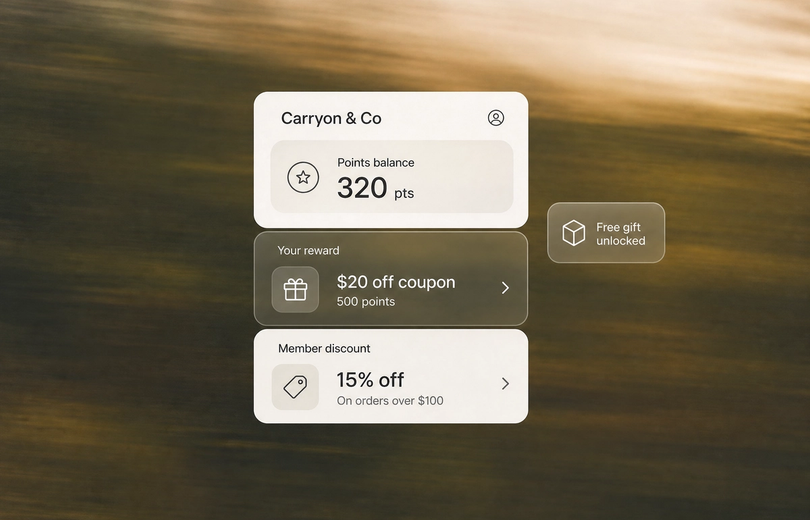
Customers see their point balance at checkout. They see loyalty rewards during the cart process. This visibility drives engagement and conversions because loyalty benefits feel tangible and immediate.
Measuring Success and Optimizing for the Future
Track repeat purchase rates during and after seasonal campaigns. Did seasonal campaign participants come back next month? That's your indicator of whether you converted seasonal shoppers into loyalists.
Customer lifetime value is the ultimate metric. Customers acquired through seasonal campaigns should have higher LTV than those acquired through other channels because you've already engaged them through loyalty. If LTV is low, your seasonal-to-loyalty conversion isn't working.
Loyalty program analytics reveal what's resonating. Which seasonal offerings drove the most loyalty enrollments? Which rewards were most popular? Which member segments engaged most during the campaign? This data informs next year's strategy.
Post-campaign analysis is critical. Within two weeks of campaign completion, analyze what worked. Did the early access strategy drive higher conversion than public launches? Did gamified challenges outperform simple point offers? Did email subject lines featuring "exclusive" language outperform others? Document these findings.
ROI calculation should factor in both immediate sales and long-term value. A seasonal campaign might generate 500 loyal members. If the average loyalty member spends $150 annually beyond their first purchase, that's $75,000 in lifetime value. Compare that to campaign costs. The ROI becomes obvious.
Addressing Challenges for Smaller Brands
Small food brands often have limited budgets. You can't compete on paid advertising spend with massive CPG companies. Instead, focus on earned and owned media. Email marketing to your existing base costs nothing but produces results. Social media posts from authentic founders or team members create engagement competitors can't replicate.
Partnership opportunities are underutilized. A small snack brand could partner with a complementary small brand (drinks, supplements, etc.) on a seasonal bundle. Neither brand can afford major campaigns alone, but together they create visibility and loyalty engagement at minimal cost.
Loyalty for small business doesn't require complex technology. You don't need advanced AI predictive analytics. You need simplicity. A straightforward points-for-purchases program with seasonal bonus multipliers performs beautifully and requires minimal operational overhead.
Inventory considerations matter. Limited editions require inventory commitment. Start small. Produce enough seasonal inventory to satisfy 110% of projected demand. Better to sell out than overstock. If the first seasonal campaign succeeds, you have data for the next one.
Beyond the Expected: Future-Proofing Seasonal Loyalty
Sustainability and Ethical Tie-ins
Conscious consumers increasingly care about brand values, not just products. Seasonal campaigns aligned with sustainability resonate deeply. A snack brand could launch a "Summer Sustainability Challenge" where loyalty members earn bonus points for purchasing sustainably-sourced seasonal products. It's not marketing; it's genuine alignment.
Charitable tie-ins work similarly. A holiday snack could commit to donating a portion of seasonal sales to food banks. Loyalty members feel their purchases support causes they care about. This builds loyalty rooted in shared values, not just discounts.
Combatting Loyalty Fatigue
Reward fatigue happens when customers feel overwhelmed by constant offers. The solution isn't fewer campaigns; it's smarter segmentation. Different members care about different things. Some want discounts. Some want exclusive access to new products. Some want gamification. Others just want recognition.
Create segmented seasonal campaigns. Your "gamification enthusiasts" segment gets challenge-based rewards. Your "discount-focused" segment gets straightforward percentage-off offers. Your "experiential" segment gets exclusive events or product tasting opportunities. Everyone feels valued without everyone feeling bombarded.
Advanced Technology Integration
The future of seasonal loyalty is predictive. Machine learning can forecast which customers will be most likely to engage with which seasonal campaigns, then deliver the right offer at the right time to each person. This hyper-personalization creates engagement without fatigue because customers only see campaigns relevant to them.
Email automation platforms integrated with loyalty systems can trigger seasonal campaigns based on customer behavior. A customer who hasn't engaged in 45 days automatically gets a relevant seasonal campaign designed to reactivate them. No human intervention required; consistent engagement happens automatically.
Conclusion: Cultivating Year-Round Devotion Through Seasonal Delights
Seasonal marketing isn't a separate tactic from loyalty. It's a core component of a comprehensive loyalty strategy. When you integrate them strategically, you transform the natural seasonality of food consumption into a retention machine.
The brands winning in 2025 understand this. They don't run seasonal campaigns and hope. They integrate seasonal launches with loyalty exclusivity. They use data to personalize seasonal offers. They create cultural moments that feel authentic. They gamify seasonal engagement. They increase average order value while building lasting relationships.
The result? Food brand retention that compounds over time. Seasonal buyers become year-round loyalists. First-time purchasers become repeat customers. Repeat customers become advocates who recruit friends.
This isn't complicated. It's strategic. It's the difference between running a seasonal promotion and building a business that thrives across all seasons.
Frequently Asked Questions
What's the best time to start planning a seasonal loyalty campaign?
Start planning 8-12 weeks before your campaign launches. This gives you time to coordinate your team, source inventory for limited editions, prepare marketing assets, and set up loyalty program mechanics. For your flagship seasonal campaign, begin planning at the start of the year, even if the campaign won't launch until October. Rushed seasonal campaigns lack impact.
How do I measure whether my seasonal loyalty campaign actually converted seasonal shoppers into year-round loyalists?
Track the behavior of customers acquired during seasonal campaigns over the subsequent 12 months. What percentage made a purchase outside their season? What's their average purchase frequency in off-season months? Compare this to non-seasonal customer cohorts. If seasonal customers have significantly lower off-season engagement, your conversion isn't working. If they're approaching parity with year-round customers, your strategy is succeeding.
Can smaller food brands effectively use seasonal loyalty marketing?
Absolutely. Scale is irrelevant; strategy isn't. A small brand with a tight email list can execute effective seasonal loyalty campaigns using the tactics in this guide. Start with simplicity: seasonal bonus point multipliers, early access for members, and targeted seasonal emails. As you grow, add complexity. Small brands often win against large competitors because they're authentic, personal, and responsive to customer feedback. Use that advantage.
How often should I run seasonal loyalty campaigns?
Minimum four times per year, aligned with the major seasonal shifts and cultural moments relevant to your audience. This maintains engagement throughout the year. Some brands run eight or more smaller seasonal campaigns annually. The goal isn't maximum frequency; it's strategic timing. Run campaigns tied to moments your customers actually care about, not arbitrary dates. Quality over quantity always wins.
TLDR
Seasonal marketing and loyalty programs aren't separate strategies; they're a unified approach to converting fleeting seasonal interest into lasting customer relationships. By offering loyalty members early access to limited-edition seasonal products, exclusive rewards during peak seasons, gamified challenges, and personalized content that bridges seasonal gaps, food brands create year-round engagement. When integrated thoughtfully, seasonal campaigns prevent churn during off-peak periods, maximize spending during peak times, increase average order value, and transform first-time seasonal shoppers into consistent repeat customers. The brands winning in 2025 don't choose between seasonal marketing and loyalty. They weaponize the combination to build businesses that thrive across all seasons.

Graeme is the co-founder at Mage Loyalty. He heads product development, from complex loyalty migrations and large-scale data handling to building the features shaping the future of loyalty on Shopify.