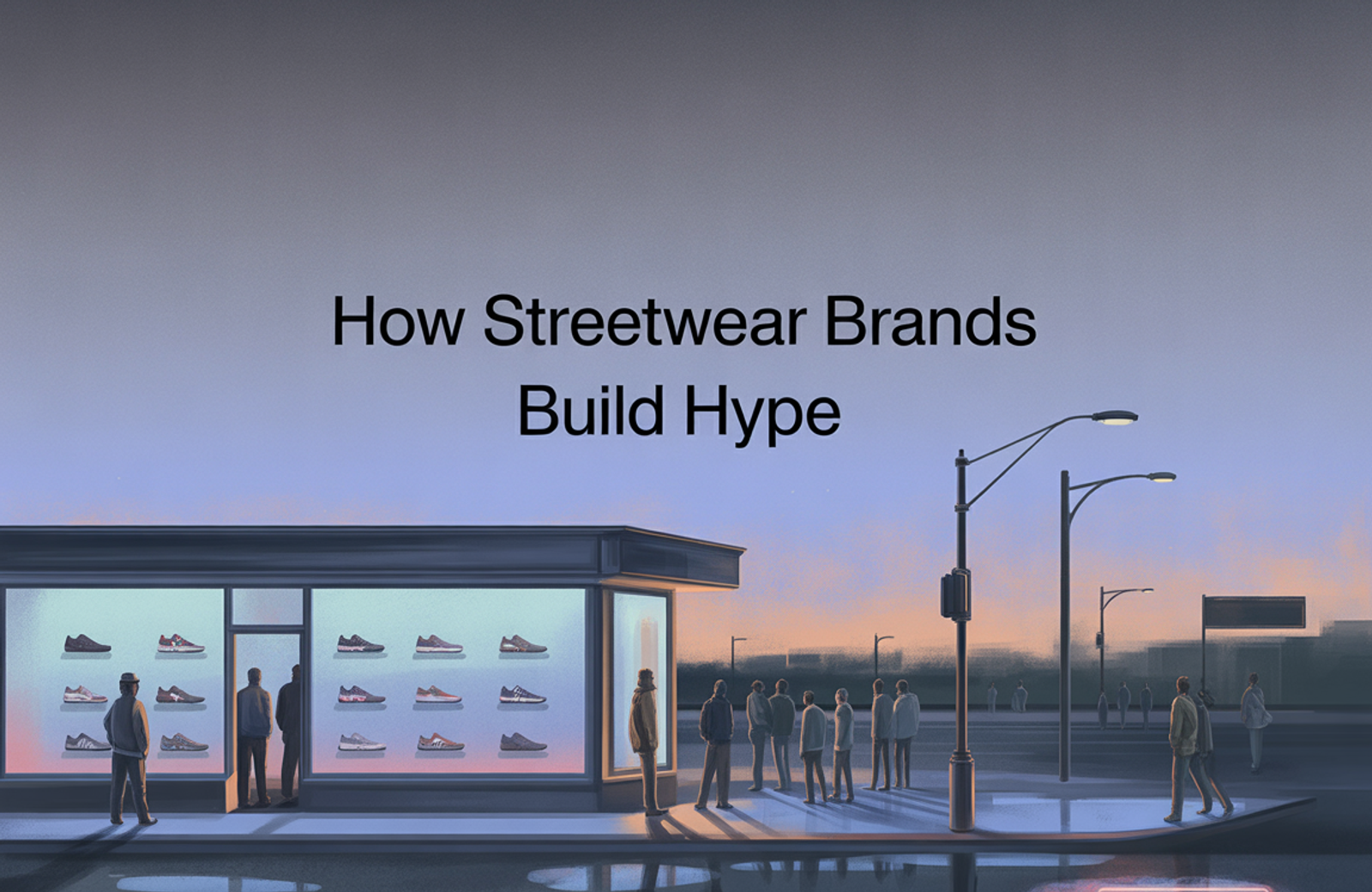
Most streetwear brands think loyalty programs are the opposite of hype. Raw scarcity, surprise drops, and gatekeeping create mystique. Adding a structured rewards program? That's seen as diluting exclusivity, making the brand too accessible, too corporate. But here's what's actually happening at the most successful streetwear companies: they're quietly running sophisticated loyalty strategies that amplify hype instead of eroding it. Nike's SNKRS members get early access to drops before the general public. Adidas adiClub members move through tiers unlocking escalating privileges. Supreme maintains a cult-like following partly through strategic community involvement. The myth that loyalty programs kill cool is backwards. Strategic loyalty programs are the invisible architecture holding hype together, converting fleeting excitement into predictable revenue and transformed casual buyers into brand apostles.
This guide shows you how streetwear loyalty actually works, why it matters, and how to build it on Shopify.
What is Streetwear Brand Loyalty? A Cultural Connection, Not Just a Transaction
Streetwear loyalty transcends typical repeat-customer dynamics. It's psychological belonging. It's ownership of cultural identity. Someone who's loyal to a streetwear brand isn't just buying their next drop because the last product lasted; they're buying because exclusivity, community status, and shared values matter more than function or price.
Think of it like being part of an underground music scene. You're not a fan just because you like the songs. You're committed because the scene represents something authentic, rare, and deeply personal. You show up to concerts, you find other fans, you feel like you belong to something larger. That's streetwear loyalty.
The Pillars of Streetwear Loyalty
Authenticity forms the first pillar. Streetwear lives in tension with mainstream commercialism. Brands that survive this tension are those that stay true to their roots, values, and aesthetic while scaling. Supreme started as a skate shop. BAPE emerged from Japanese youth culture. Off-White redefined luxury through raw design language. These brands didn't invent new categories; they authenticated existing subcultures. When customers feel a brand is genuine, they defend it. They become evangelists. They tolerate higher prices because the premium reflects authenticity, not just materials.
Community and belonging form the second pillar. The ultimate fashion loyalty guide reflects this reality: the strongest loyalty happens when brands create spaces where customers feel seen, heard, and part of something exclusive. This happens through Discord servers, Instagram groups, exclusive pop-ups, user-generated content campaigns, and opportunities for customers to co-create. When someone participates in a brand community, they develop what psychologists call psychological ownership. The brand becomes partially theirs.
Strategic exclusivity and scarcity form the third pillar. Most people misunderstand this. Scarcity isn't just about limiting supply. It's about making availability feel earned. When loyal members get early access to drops before general release, they experience scarcity as a privilege. When new releases move quickly, the scarcity feels organic, not manufactured. The brand creates FOMO (fear of missing out) not through artificial inventory limits, but through genuine demand driven by authentic community desire.
Together, these three pillars create something powerful: a community where people feel part of something real, rare, and theirs.
Why Loyalty is the Ultimate Hype Engine: Beyond the One-Off Sale
Here's the economic truth underneath the cultural narrative. A single viral drop generates excitement. A loyalty program generates sustained revenue. Supreme's 2024 revenue data shows that repeat customers drive margins far higher than new customers chasing a single hyped release. Nike's investor reports highlight that SNKRS membership drives recurring revenue and predictable sales velocity on new releases.
This is the conversion from transient hype to lasting devotion. One customer who camps a retailer for a single drop might spend $200. That same customer, integrated into a loyalty program with early access, exclusive rewards, and tiered status, spends $2,000+ annually. The mathematics are simple. Multiply that across thousands of members, and suddenly loyalty programs become the profit engine that sustains the brand between headlines.
Building brand advocates matters here. Loyal customers don't just repeat purchase. They evangelize. They post unboxing videos. They tag the brand on Instagram. They convince friends to join the community. This user-generated enthusiasm amplifies hype far more effectively than paid ads. McKinsey research shows companies excelling at personalization generate 40% more revenue than average players, partly because personalized experiences naturally inspire advocacy.
The psychology underpinning this is sophisticated. Emotional attachment to a brand activates reward centers in the brain. Owning a rare, limited item floods the system with dopamine and status elevation. When a loyalty program wraps these emotional triggers into a structured progression (earn points, unlock tiers, access exclusive drops), the brain gets predictable hits of reward. Customers become dependent on that engagement. They come back.
Social influence amplifies this. Your friend wearing a rare streetwear piece signals status and access. You want in. You join the community. You start earning rewards. The social proof becomes self-reinforcing. The in-group grows. The brand's cultural cachet increases.
Consider the economics beyond hype itself. Increase customer lifetime value through loyalty, and your CAC (customer acquisition cost) naturally drops. Loyal customers refer friends at higher rates than paid ads convert. Your repeat purchase rate climbs. Your churn rate falls. Revenue becomes predictable instead of dependent on viral moments.
A streetwear brand managing purely through drops without loyalty infrastructure faces constant pressure to create viral buzz. That's exhausting and unsustainable. A brand with a deep loyalty strategy can sustain momentum through releases that feel exclusive without requiring headlines. The community ensures sustained engagement.
The Mechanism of Hype: How Streetwear Loyalty Programs Actually Work
Loyalty programs in streetwear aren't complicated in concept. They're sophisticated in execution.
Early Access: The Currency of Privilege
The simplest, most effective loyalty mechanism is early access. Offer loyal members first purchase rights to new drops, typically 24 to 48 hours before general release. This single feature accomplishes several things simultaneously. It makes members feel privileged. It guarantees sell-through since your most engaged customers shop first. It creates organic scarcity for general release by the time non-members can purchase. It ensures that the brand's most visible evangelists wear the gear before it hits secondary markets.
Nike's SNKRS app operates almost entirely on this principle. Members get notifications about upcoming releases. Most releases are exclusively available to app members first. This creates the perception that SNKRS membership grants access to something unavailable to regular shoppers. Adidas adiClub members receive early access to new Yeezy releases. KITH has built its entire luxury positioning partly on early member access to collabs and limited pieces.
The mechanism is so effective because it transforms loyalty from a discount incentive ("spend more, get 10% off") into an access incentive ("be part of this community, and you get first dibs on what matters most"). Access is more psychologically rewarding than discounts.
Exclusive, Non-Purchasable Rewards
Beyond early access, the most effective loyalty rewards in streetwear aren't discounts. They're items or experiences that cannot be purchased at any price outside the loyalty program.
KITH frequently offers exclusive capsule collections available only to tiered members. Adidas adiClub rewards top-tier members with exclusive colorways of popular models. Some programs offer unique collaborations with artists or designers available only to loyal customers. Others offer experiential rewards: early access to pop-up shop locations, tickets to exclusive events, meet-and-greets with designers.
These rewards work because they feel like status symbols. If your loyalty tier includes access to a limited colorway that exists nowhere else, wearing that piece signals insider status. The wearer becomes an ambassador not just for the brand, but for the loyalty program itself. Other customers see it and want in.
Community Status and VIP Tiers
The most sophisticated loyalty programs in streetwear use tiered structures that appeal directly to the human desire for status and recognition.
A typical structure might look like this: Bronze tier (entry level, basic rewards), Silver tier (mid-level, better early access and exclusive releases), Gold tier (top-tier, maximum perks plus community recognition). Members see their tier status publicly. The brand features top-tier members in email newsletters, social media, website galleries. Some programs grant tier members special badges or handles in community spaces.
This taps into psychological principles directly. Tier structures create aspirational goals. Customers spend deliberately to level up. Each tier unlock creates excitement and reinforces commitment. The public recognition satisfies the deep human need for status and belonging. Adidas adiClub does this effectively. Lululemon's membership approach emphasizes tier-based lifestyle benefits that appeal to aspirational customers.
Gamification and Experiential Elements
Advanced loyalty programs in streetwear layer in interactive, game-like elements. Design challenges where members vote on which collaboration should happen next. Streaks where consecutive purchases unlock bonus points. Contests where members submit photos wearing the brand for chances to be featured. Raffles for exclusive drops where loyalty tier determines odds.
These elements serve multiple purposes. They make loyalty engaging and fun rather than transactional. They create repeated touchpoints with the brand. They generate user-generated content that becomes marketing. They deepen the sense that membership is an active experience, not a passive discount card.
The Shopify gamification strategies that work across verticals apply directly to streetwear. Points for purchases, referrals, social shares, reviews, and engagement all feed into a gamified ecosystem where customers feel they're unlocking progression.
Personalization and Tailored Experiences
The most cutting-edge loyalty programs use data to personalize the experience per customer. If purchase history shows a customer prefers certain colorways, early access notifications highlight those options. If a customer frequently buys collaborations with specific artists, the program surfaces related releases first. If a customer has never participated in community elements, the program might offer bonus points for attending virtual events.
This level of personalization requires integrations between loyalty platforms and customer data. The brands executing this most effectively use platforms that connect with their full marketing stack: email platforms, SMS, CRM, analytics.
The Role of Quality and Craftsmanship
Finally, the strongest loyalty programs are underpinned by genuine product quality. Loyalty without quality is brittle. A customer might engage with the community and status dynamics short-term, but if the product doesn't deliver, they churn. Conversely, premium materials, thoughtful construction, and durability maximize repeat purchases and minimize returns. When customers trust that the brand delivers on product quality, they're more willing to commit to loyalty tiers. They know the privilege of early access and exclusive releases translates to items worth keeping.
This is why design VIP tiers in premium categories always emphasize quality alongside exclusivity. The tiers work because the products are exceptional.
Application on Shopify: Building Your Streetwear Loyalty Strategy
Integrating Loyalty with Your Shopify Store
Shopify provides the infrastructure to execute these strategies at scale. Native integrations with loyalty apps make it straightforward to implement points tracking, tiered access, early-access windows, and personalized rewards.
When evaluating tools, focus on capabilities rather than brand names. You need:
Seamless Shopify integration so that purchases automatically trigger points, tier calculations happen in real-time, and the customer experience feels native rather than bolt-on.
Tiering and segmentation that allows you to create VIP tiers with escalating benefits and to segment customers by behavior, purchase history, or engagement level for targeted communications.
Early access management through features like code-restricted access, time-gated purchasing windows, or VIP-only product visibility. The tool should make it easy to reserve inventory for loyalty members and activate it at specific times.
Gamification features including points for multiple actions (purchases, referrals, social shares, reviews, engagement), bonus point multipliers, streaks, and challenges.
Personalization engines that deliver tailored rewards, recommendations, and communications based on individual customer data and behavior.
When choosing the right app, evaluate whether it supports omnichannel loyalty if you have a physical presence. Some customers will earn points in-store and online; your system needs to track that unified.
Measuring Success Beyond Vanity Metrics
Many brands track loyalty program size (total members enrolled) and call it success. That's backwards. The right metrics reveal whether loyalty is actually driving business outcomes.
Customer Lifetime Value (CLV) is the north star. Compare CLV between members and non-members. Top loyalty programs see members worth 2 to 3 times what non-members spend over a 12-month period.
Repeat Purchase Rate shows how many members make additional purchases within 90 days of their first purchase. Loyalty should meaningfully increase this.
Average Order Value (AOV) among members compared to non-members reveals whether tier structure and rewards are incentivizing larger orders.
Redemption Rate shows what percentage of earned points are actually redeemed. Low redemption suggests rewards aren't compelling or the redemption process is friction-filled.
Referral Rate for members versus non-members shows how much loyalty drives word-of-mouth growth. This is crucial for assessing hype amplification.
Engagement with Gamified Elements reveals participation in challenges, contests, or community activities. High engagement signals genuine community investment.
Track metrics weekly, report on them monthly. Use the data to refine rewards, adjust tier thresholds, or modify early-access strategy. Loyalty is not set-and-forget. It's dynamic.
Navigating the Pitfalls
The biggest risk is diluting exclusivity. When you add too many members or make tier progression too easy, the status premium evaporates. A customer achieving Gold tier in three months doesn't feel special. They feel like the tier is meaningless. Be deliberate about tier percentages. If Gold tier represents the top 5% of your customer base, it maintains prestige. If it represents 25%, it's just a discount tier.
Program fatigue is another pitfall. Constant drops, endless challenges, perpetual contests create burnout. Loyal customers disengage when they feel the brand is always asking for engagement. Pace yourself. A consistent cadence (monthly exclusive drops for members, quarterly major challenges, seasonal experiential events) sustains engagement better than constant noise.
Authenticity drift happens when loyalty mechanics feel disconnected from brand values. A skateboard brand that launches a corporate-feeling VIP lounge misses the point. Loyalty programs should feel like they extend the brand's core aesthetic and values, not contradict them.
Finally, some brands underestimate the technical burden. Loyalty programs require integration across email, SMS, analytics, and the Shopify store. They need regular monitoring and optimization. Underresourcing loyalty typically results in underperformance. Allocate budget and staff accordingly.
The Future: Web3 and Emerging Opportunities
Forward-thinking brands are experimenting with NFTs, blockchain-based loyalty, and token-gated communities. An NFT could serve as a digital collectible that grants permanent access to exclusive releases or community spaces. A token could function like points but with transferability and resale value. A token-gated Discord community could be open only to holders above a certain tier.
These approaches feel native to streetwear culture in ways traditional loyalty doesn't. They align with the aesthetics of digital ownership, scarcity, and exclusivity that resonate with the demographic. They're also volatile, evolving, and require careful implementation to avoid feeling gimmicky.
The brands experimenting most credibly aren't using blockchain as a standalone feature. They're using it as infrastructure beneath existing loyalty mechanics. An NFT represents tier status, but the loyalty program itself functions smoothly for members who don't care about blockchain. The tech enables, but doesn't complicate, the experience.
Frequently Asked Questions
Can a small streetwear brand realistically implement an effective loyalty program?
Yes. You don't need massive scale to build community around exclusivity. Start with early access to new releases and a simple tier structure (basic member, premium member). Keep it authentic to your brand's current size and aesthetic. A 500-person community engaged and paying premium prices is more valuable than 5,000 casual followers.
How do I balance exclusivity with inclusivity in my loyalty program?
Exclusivity lives in the rewards and status, not the enrollment. Make joining the program free and accessible. Let anyone access the basic tier. Place exclusivity in what members unlock as they progress: early access, special products, community recognition. This way, the program feels inclusive in entry but exclusive in benefits.
What's the difference between a points program and a tiered VIP program for streetwear?
Points programs reward spending with redeemable currency. Tier programs segment customers by engagement level and grant escalating benefits. For streetwear, tiers typically work better because the aspirational status of "reaching Gold" drives engagement more than accumulating points for a discount. Combine both: points feed into tier progression.
How often should I offer exclusive drops or rewards to loyal customers?
Consistency matters more than frequency. Monthly member-exclusive releases or quarterly major events create rhythm customers expect and plan around. Avoid weekly exclusives, which create fatigue. Avoid three-month gaps, which kill momentum. Find the cadence that matches your brand's release schedule and stick with it.
How can I measure if my loyalty program is actually building hype?
Track referral rates, social mentions, and word-of-mouth growth among members versus non-members. Monitor whether non-member inquiries reference "things I heard members get." Track resale market data; if member-exclusive pieces command premiums on secondary markets, hype is real. Most importantly, watch whether new customers cite community and loyalty as reasons for joining, not just product. That's hype.
Frequently Asked Questions
Build brand community by designing loyalty programs that transcend transactional benefits and emphasize belonging, shared values, and status progression.
External resources provide additional perspective. The PwC report on streetwear exclusivity outlines industry trends and strategic imperatives that align with the insights presented here.
TLDR
Streetwear loyalty isn't about destroying hype with corporate discounts. Strategic loyalty programs amplify hype by converting fleeting excitement into sustained community engagement. Early access, exclusive rewards, tiered status, gamification, and personalization transform casual buyers into brand apostles who amplify hype through organic advocacy. On Shopify, these mechanics are straightforward to implement through dedicated apps. The brands sustaining cultural relevance aren't those chasing viral moments; they're the ones cultivating devoted communities where exclusivity, authenticity, and belonging drive predictable revenue and organic hype.

Kris is the co-founder of Mage Loyalty. I spend most days talking to merchants, and making sure our customers get real results. If you run a Shopify store or Agency we should chat!