Most luxury jewelry brands assume they cannot run effective loyalty programs—the conventional wisdom says discounts destroy prestige. Yet this belief blinds them to something far more powerful: loyalty programs built on experiences, exclusivity, and personal recognition. While traditional discounting is incompatible with luxury, the right loyalty framework creates deeper connections and dramatically higher customer lifetime value than any price cut ever could. This isn't just theory. Luxury jewelry customers who participate in properly designed programs spend 12-18% more annually than non-members, and they stay longer because they feel genuinely valued rather than simply incentivized.
The distinction matters. A discount says, "We need you to buy at a lower price." An exclusive experience says, "You belong to something rare." For jewelry brands positioning themselves at the premium end, this psychological difference translates directly into sustainable revenue and brand protection. Understanding how to build this distinction is the difference between a loyalty program that undermines your equity and one that amplifies it.
Introduction: Redefining Loyalty in the World of Luxury Gems
The assumption that luxury jewelry brands cannot build effective loyalty programs is one of the most persistent—and damaging—myths in the ecommerce sector. The logic seems sound on the surface: luxury thrives on exclusivity and scarcity, so rewarding customers with discounts would cheapen the brand. Except this reasoning conflates one specific loyalty mechanism (discounting) with loyalty itself. The truth is far more nuanced.
Luxury loyalty doesn't require discounts. Instead, it operates on an entirely different framework—one rooted in deepening emotional connections, affirming status, and delivering unparalleled value through exclusive experiences, personalized service, and restricted access. Think of it like the difference between a standard airline frequent flyer program and an airline's true VIP lounge: one emphasizes transactional rewards, the other emphasizes belonging and privilege. For luxury jewelry specifically, where individual pieces can represent major life moments—engagements, anniversaries, milestones—the emotional resonance is everything.
This distinction unlocks a powerful insight: the wealthier and more discerning your customer base, the less they respond to price reductions and the more they respond to recognition, exclusivity, and added value. When you design VIP tiers that emphasize prestige rather than savings, you're not leaving revenue on the table—you're actually protecting your most valuable asset: your brand's positioning.
This guide walks through how luxury jewelry brands cultivate loyalty without discounting. We'll explore why non-discounting approaches work, what mechanisms drive them, how leading brands execute them in practice, and exactly how to implement them on platforms like Shopify.
The Unspoken Rule of Luxury: Why Price Reductions Devalue Prestige
To understand why discounting doesn't work for luxury jewelry, you first need to understand what "luxury" actually means in this sector. It's not simply about price. A luxury piece is defined by craftsmanship, heritage, scarcity, emotional resonance, and the aspiration it represents. A diamond ring isn't just a physical object—it's a symbol of a commitment, an achievement, or a milestone. The customer isn't buying material; they're buying meaning.
This is why discounting fundamentally misaligns with luxury positioning. When you offer a discount on a luxury item, you're inadvertently communicating several things: the item was overpriced, its value is flexible, and the brand needs customers badly enough to compromise on margin. None of these messages reinforce prestige. Instead, they erode it.
Think about it like this: if a designer handbag is sold at full price one season and then discounted the next, what message does that send to the customer who paid full price? It suggests they overpaid. It dilutes the exclusivity of their purchase. Over time, discounting trains customers to wait for sales rather than buy when they're emotionally ready—fundamentally weakening the brand's ability to maintain pricing power and control its narrative.
The luxury market globally is growing nearly three times faster online than in physical retail, according to industry reports, and the brands winning in this space are those doubling down on exclusivity and personalized experiences rather than price competition. Value, in the luxury context, is added through experiences, services, and recognition—not subtracted through lower prices.
Value through addition, not subtraction. This is the cornerstone of luxury loyalty.
More Than Just Purchases: The True Value of Loyalty in Luxury Jewelry
Why does this matter financially? Because the economics of retention in the luxury space are dramatically different from the mass market.
Acquiring a new customer can cost up to five times more than retaining an existing one. In jewelry specifically, where decision cycles are long and purchase frequency is low, this disparity is even more pronounced. A customer might buy an engagement ring once, an anniversary piece a few years later, and perhaps something for a special occasion. The gaps between transactions can stretch 18 months or longer. Without a loyalty mechanism to sustain engagement between these purchases, you lose top-of-mind awareness. When that anniversary rolls around, a competitor gets the sale instead.
But here's where non-discounting loyalty reshapes the equation: loyal customers with emotional investment in your brand don't just return for purchases. They refer friends. They post about pieces on social media. They become advocates within their own networks. Lasting jewelry customer loyalty isn't just about the next transaction—it's about lifetime value expansion through multiple channels.
The psychology here is critical. Emotional connections drive higher lifetime value in luxury than transactional relationships ever can. A customer who feels recognized and valued as part of an exclusive community is willing to wait for your sales, not someone else's. They tell their friends about you. They become psychologically invested in your success. This emotional bond is what premium brands are actually selling.
Moreover, loyalty programs protect brand equity. They signal that your brand is selective about whom it rewards, reinforcing the exclusivity that luxury customers crave. A well-designed tiered program says, "You're not just a customer—you've earned a place in an inner circle." The psychological impact of this positioning is enormous.
Consider the unique challenge of jewelry's long purchase cycles. It's not like an apparel brand where customers might buy four to five times per year, creating natural touchpoints. In jewelry, you might only see your best customers a handful of times over several years. A loyalty program bridges these gaps. It keeps your brand in their consciousness. It reminds them they're valued. It creates reasons to engage beyond transactions: exclusive previews, birthday recognitions, invitations to events, updates on new collections from their preferred designer.
Crafting Unforgettable Experiences: The Mechanics of Non-Discount Loyalty Programs
Beyond Monetary: Types of Non-Discount Rewards
What exactly are you rewarding customers with if not discounts? The answer is more varied and valuable than most brands realize.
Experiential Rewards are perhaps the most powerful. These include private shopping events where high-value customers get dedicated time with your team, exclusive viewings of new collections before public launch, bespoke design sessions where customers collaborate on custom pieces, and invitations to cultural or fashion showcases that align with your brand. Imagine a platinum-tier jewelry customer receiving an invitation to a private preview of your spring collection, followed by champagne and conversation with your head designer. The cost to you is negligible. The lifetime value impact is substantial.
Service-Based Rewards add tangible value without cutting into margins. Complimentary professional cleaning and maintenance of pieces (something jewelry requires regularly), engraving or customization services, priority repair access, personalized styling consultations, and concierge support for custom orders are all services customers would otherwise pay for. They're also services that keep customers coming back regularly, creating more touchpoints and deepening the relationship.
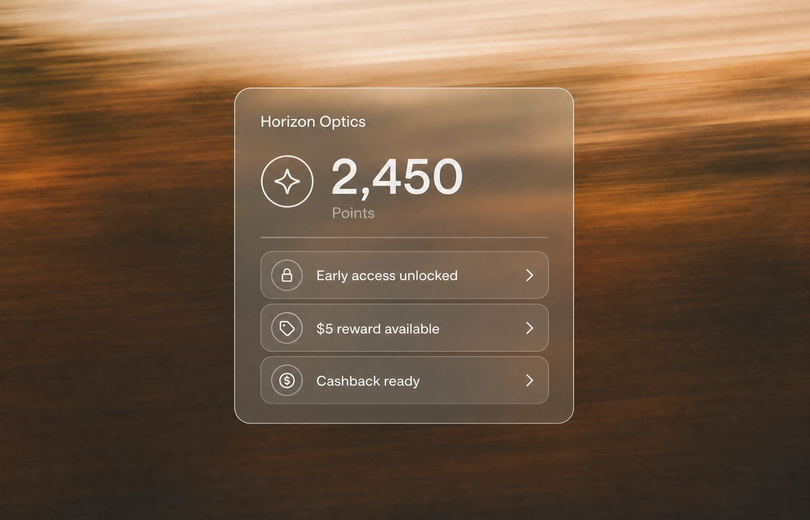
Early and Exclusive Access fuels desire like few other mechanisms can. Offering your loyalty program members first access to limited-edition drops or new collections creates urgency and exclusivity. These customers get to see and buy pieces before they're available to the general public. This isn't just a nice perk—it's status. It reinforces that membership matters.
VIP Events and Partnerships elevate the experience even further. Exclusive product launches, receptions, networking events with other high-value customers, and partnerships with complementary luxury brands (high-end hotels, fine dining establishments, automotive partners) create memorable experiences that customers talk about and remember. These events signal to the customer that they belong to an elite group.
Thoughtful Gifting shouldn't be overlooked. Exclusive upgrade gifts sent on birthdays or anniversaries, collaborative gifts created with partner brands, or special packages acknowledging purchase milestones make customers feel genuinely seen. This is about recognition at scale—using technology and data to make each customer feel personally celebrated.
Structuring Exclusivity: Program Design and Tiers
How do you organize these rewards to maximize engagement and perceived exclusivity? Through tiered structures that mirror how luxury itself is stratified.
Four-tier programs (Bronze, Silver, Gold, Platinum, or creatively named alternatives) outperform three-tier models specifically for jewelry brands. This additional tier provides one more milestone for customers to aspire toward, creating greater gamification without overwhelming complexity. Each tier unlocks progressively more exclusive benefits. A Bronze member might get priority customer service and a birthday gift. A Platinum member gets all of that plus private shopping access, first access to limited collections, invitations to exclusive events, and personalized styling consultations.
The key is that tier progression should be achievable but meaningful. A customer shouldn't feel they can reach the top tier after a single purchase, nor should it feel impossibly distant. Tiers based on cumulative annual spend work well for jewelry, where individual purchases are high-value but infrequent. Alternatively, you can use a hybrid model combining spending thresholds with engagement activities (referrals, reviews, social shares) to give customers more paths to advancement.
Naming matters more than it might seem. Don't use generic tier names. Instead, align them with your brand identity. A heritage jewelry brand might use "Heirloom," "Signature," "Prestige," and "Collection" instead of Silver/Gold/Platinum. This reinforces brand positioning and makes membership feel more distinctly tied to your brand rather than a generic loyalty program.
Community building should extend beyond transactional benefits. Private online forums or invitation-only social clubs where members can connect, discuss pieces, and share styling advice create belonging. These digital communities often generate more engagement and retention than any individual reward because they address a deeper human need: to be part of something exclusive.
The Power of Knowing You: Personalization and Recognition
The most overlooked element of luxury loyalty is simple recognition. When a customer feels that your brand understands them—their preferences, their purchase history, the milestones they've celebrated with your pieces—the emotional connection deepens dramatically.
Hyper-personalization in practice means maintaining detailed customer profiles that track not just what they've bought, but why. What occasions prompted their purchases? What styles do they prefer? What metals, gemstones, and aesthetics resonate with them? When this data informs your interactions—personalized styling recommendations, exclusive previews of pieces matching their preferences, birthday gifts tailored to their taste—customers feel genuinely understood.
This is where omnichannel loyalty integration becomes essential. If a customer shops on your website, visits your physical store, and follows you on social media, all these touchpoints should reflect the same understanding of who they are. If they're looking at rose gold pieces online, the store associate should know this when they visit in person. If they've engaged with your brand on Instagram, your email should reference that interest rather than treating them as a stranger.
Dedicated sales associates are part of this equation. For high-value tier members, having a single point of contact who knows their history, preferences, and occasion calendar transforms the experience. When your Platinum member calls about an anniversary gift, the associate already knows the date is coming because they've been paying attention. This human element, supported by technology, is irreplaceable.
Leveraging Technology to Elevate the Experience
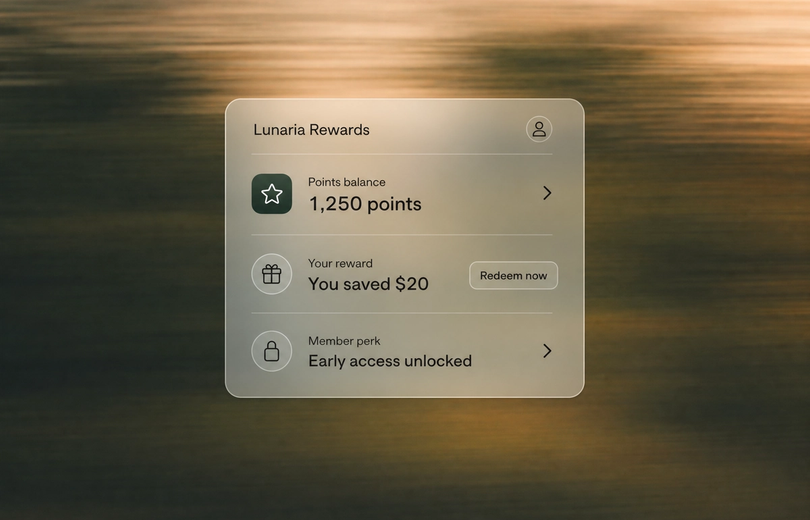
Technology shouldn't replace the human touch—it should amplify it. Unified customer profiles accessible across your entire organization ensure consistency. Real-time reward systems that instantly update loyalty status and unlock benefits create immediate gratification.
AI-driven insights can identify high-value customers and trigger personalized gestures—a reminder that a customer's preferred designer is launching a new collection, or recognition of an anniversary that your data suggests means something to them. Personalized customer portals with digital wishlists, order history, and real-time loyalty dashboards keep customers engaged between purchases.
The critical insight: technology should make personalization feel more intimate, not more automated. Use data to understand your customer better so you can treat them better, not to trigger generic automated messages.
Real-World Brilliance: Luxury Jewelry Loyalty in Practice
Case Studies: Lessons from Leading Brands
Tiffany & Co. rarely talks publicly about a "loyalty program," yet the brand has perhaps perfected non-discount loyalty. Their approach centers on the iconic "Blue Box" experience—the packaging, the presentation, the ritual. For repeat customers, Tiffany offers complimentary engraving and personal services, private shopping events, and access to exclusive pieces. The loyalty is to the experience and status of owning Tiffany, not to a rewards structure. Their best customers receive personal attention from dedicated associates who remember their preferences and occasion calendar.
Pandora takes a different approach with its tiered "Pandora Club." Members earn points on purchases but can't redeem them for discounts. Instead, points unlock early access to new collections, exclusive designs not available to non-members, and personalized digital wishlists. The program explicitly emphasizes privilege and access, not savings.
Chanel and Hermès operate with almost no visible public loyalty programs—yet they've built the world's most powerful loyalty ecosystems. How? Through controlled scarcity and personalized relationship management. High-value customers receive private previews, personalized styling consultations, and access to waiting lists for coveted items. Their loyalty is driven by status and access, managed through relationship managers rather than automated systems. It's high-touch, opaque, and intensely exclusive. For most brands, replicating this requires strong in-person infrastructure, but the principle applies digitally.
Mejuri targets the "everyday luxury" space and has built strong loyalty around community and non-transactional engagement. Their members earn access through social sharing, referrals, and engagement—not just purchases. This creates a younger, more community-driven base of brand advocates. Jewelry loyalty examples like Mejuri show how loyalty mechanics can be flexible while remaining aligned with brand positioning.
Navigating the Nuances: Challenges and Implementation
Building non-discount loyalty at scale is harder than it sounds. The primary challenge is maintaining consistent, high-touch service across all customers and touchpoints. As you grow, personalizing experiences becomes complex. The solution is systems and training. Build your loyalty program with scalable personalization in mind. Use CRM and loyalty platforms to systematize recognition so that birthday gifts, tier-based benefits, and personalized recommendations happen automatically without feeling generic.
Measuring ROI for experiential and service-based programs is also tricky. You can't directly attribute a private shopping event to a specific sale the way you can a discount. Instead, focus on cohort analysis. Track lifetime value, repeat purchase frequency, and referral rates for tier members versus non-members. Track engagement metrics: email open rates, event attendance, social sharing. Look for qualitative indicators too—customer testimonials, Net Promoter Scores, and social media sentiment.
Scaling personalization without losing the human touch requires intentional system design. Your platform should collect and surface customer data that enables your team to be more personal, not replace that personalization with automation. Every email from your team should reflect genuine knowledge of the customer.
Advanced Strategies for Future-Proofing Loyalty
Sustainability and Ethics Integration: Modern luxury customers, especially younger segments, care deeply about where their jewelry comes from and who made it. Loyalty programs can emphasize and reward your commitment to ethical sourcing, fair labor, and sustainability. Offer exclusive insights into your supply chain, behind-the-scenes stories of artisans, or donations to causes your customers care about in their name.
Advanced AI Applications: Beyond basic personalization, sophisticated AI can predict which customers are most likely to lapse and proactively re-engage them. It can identify customers most likely to respond to certain types of rewards and suggest personalized gestures—"This customer tends to engage with pieces featuring colored stones; recommend early access to the new emerald collection." It can analyze social signals to determine optimal timing for outreach.
Sales Associate Training: Your loyalty program is only as strong as the people delivering it. Invest in training that teaches your team to use customer data as context, not as surveillance. They should know enough to personalize the interaction without making it weird. "I see you're interested in rose gold pieces" is good. "We've been tracking your Instagram likes and noticed you prefer rose gold" is creepy. The balance matters.
Strategies for Smaller Brands: You don't need Hermès-level resources to implement effective non-discount loyalty. Start with a single tier and a clear value proposition—maybe exclusive access to new collections and quarterly styling consultations. Use a platform like Mage that handles the complexity for you. Build community through a private Facebook group or Discord. Let your program evolve as you learn what resonates.
The Crown Jewel of Customer Relationships: Sustaining Luxury Loyalty
The fundamental principle underlying every successful luxury loyalty program is this: your most valuable customers aren't responding to what they're saving—they're responding to how they're being treated. They want to feel chosen, understood, and celebrated. They want to belong to something exclusive. They want their brand loyalty to affirm something about their identity and status.
When you structure loyalty around experiences, personalization, and exclusivity rather than discounts, you're not just protecting your brand equity—you're leveraging the psychology that actually drives luxury purchasing decisions. How luxury home brands build loyalty provides a parallel case study showing these principles apply across luxury categories.
The path forward for luxury jewelry brands is clear. Invest in understanding your best customers deeply. Design tier structures that emphasize privilege over savings. Use technology to enable personalization at scale. Create moments of recognition and exclusive access. Build community around your brand. Measure success through lifetime value, repeat rates, and customer advocacy rather than through transaction size.
This approach requires different thinking than traditional loyalty programs, but it unlocks a competitive advantage that price-based programs can never match: unshakeable customer loyalty built on something far deeper than the desire to save money.
“Cannot say enough good things about the team at Mage Loyalty, one of the absolute best organizations we have ever worked with, full stop! So glad we connected with them, completely redid our loyalty program, new concepts, use of loyalty, increasing user engagement, showing us where we were not valuing our best customers, just WOW, amazing team!”


Read the West Coast Goalkeeping case study →
Frequently Asked Questions
Can a small luxury jewelry brand effectively implement a tiered loyalty program?
Absolutely. You don't need Tiffany's resources. Start simple: create two tiers (standard and VIP) with clear thresholds (perhaps based on annual spend or purchase frequency). VIP benefits might be as straightforward as early collection access, quarterly styling consultations via Zoom, and a personalized birthday gift. Many small luxury brands successfully use Shopify loyalty program platforms that automate tier management without requiring significant additional infrastructure.
How can I measure the success and ROI of experiential rewards without direct sales attribution?
Look at cohort metrics rather than individual attribution. Compare annual spending, repeat purchase frequency, referral rates, and customer retention between program members and non-members. Track engagement indicators like email open rates, event attendance, and social sharing. Calculate customer lifetime value for each tier and track how it changes over time. A strong program typically shows 12-18% higher annual spend from members, which compounds significantly over time.
What's the very first step a luxury jewelry brand should take to build a non-discount loyalty program?
Map your existing customer base. Identify your top 100-200 customers by lifetime value. Understand what matters to them—what occasions drove their purchases, what styles they prefer, what services would feel valuable to them. Then design a program specifically for them first. Launch with this segment, refine based on their feedback, and then expand to broader customer base. Starting narrow and expanding ensures you nail the experience before scaling.
How do I ensure exclusivity in my loyalty program without alienating new or aspiring customers?
Make program entry accessible but advancement earned. Anyone who shops with you can join the basic tier. Exclusivity comes from benefits at higher tiers, not from membership itself. This way, new customers have a path to greater status and recognition, creating motivation to increase engagement and spending. The aspirational element is actually more powerful for loyalty than complete exclusion.
Are there specific technologies recommended for managing high-touch luxury loyalty programs?
Look for systems that integrate with your POS and CRM, support detailed customer profiles and segmentation, enable real-time personalization, and provide comprehensive analytics. The right platform should make it easier for your team to be more personal, not replace personal connection with automation.
TLDR
Luxury jewelry brands built on exclusivity and status cannot compete using discount-based loyalty. Instead, non-discount loyalty succeeds through tiered programs emphasizing experiential rewards, personalized service, early access, and exclusive community. By recognizing and treating best customers as members of an elite group rather than incentivizing them with price cuts, brands protect equity while driving 12-18% higher annual spending from program members. The economics work: retention at premium positioning is far more profitable than acquisition through discounting, and emotional connection to a brand drives higher lifetime value than transactional relationships ever will.

Graeme is the co-founder at Mage Loyalty. He heads product development, from complex loyalty migrations and large-scale data handling to building the features shaping the future of loyalty on Shopify.