Jewelry sits in an unusual corner of ecommerce. Your customers aren't buying necessities or impulse buys. They're purchasing pieces tied to life's most meaningful moments: engagements, anniversaries, milestone celebrations, and quiet moments of self-love. Yet they buy infrequently, sometimes only once every few years. The price points are high. The emotional stakes are higher.
This creates a fundamental paradox. Traditional loyalty programs built on points-per-dollar and discount codes feel cheap for something so precious. They miss the entire emotional architecture that makes jewelry remarkable. A well-designed loyalty program for jewelry brands doesn't just reward transactions. It honors the significance of what you're selling and deepens the relationship between customer and brand.
This guide walks you through creating a loyalty program specifically tailored for Shopify jewelry brands. We'll cover high-AOV reward structures, occasion-based personalization that actually works, and VIP tier strategies that transform occasional buyers into lifelong advocates.
Understanding the Unique Sparkle: Why Loyalty is a Gem for Jewelry Brands
The jewelry market operates under different rules than most ecommerce verticals. Purchase cycles stretch longer. Average order values climb higher. But most importantly, the emotional weight of the purchase fundamentally changes what loyalty means.
Consider this: a customer doesn't buy a diamond ring because points motivation nudged them toward checkout. They buy because it marks a commitment, a promise, a moment. That emotional foundation is your actual competitive advantage. A loyalty program that acknowledges this emotional reality builds infinitely deeper connections than one that treats jewelry like any other product.
Here's what I've observed working with jewelry brands. The ones that win don't compete on who offers the deepest discounts. They compete on who understands that their best customers will return not because they got 15% off, but because the brand made them feel truly seen and celebrated during the most important moments of their lives.
The Undeniable Benefits of a Tailored Loyalty Program
Increased Customer Lifetime Value (CLTV) and Repeat Purchases: Jewelry loyalty members spend 12-18% more annually than non-members. More importantly, they return multiple times. A customer who purchases an engagement ring becomes a candidate for anniversary gifts, milestone celebrations, and future acquisitions. A loyalty program creates systematic touchpoints for these moments.
Elevated Average Order Value (AOV): Tiered rewards create progression paths. Customers pursuing the next tier status naturally spend more. Exclusive rewards tied to higher spending thresholds motivate intentional purchases. For jewelry brands, AOV increases of 20% or more are achievable through well-structured tiers.
Strengthened Brand Affinity and Emotional Connection: Personalized experiences beat discounts every time. When a customer receives recognition for their wedding anniversary, or early access to a collection that matches their documented style preferences, the brand transforms from transactional vendor into something closer to a trusted advisor. That connection compounds across years.
Competitive Edge in a Crowded Market: A generic points program feels like every other ecommerce experience. A thoughtfully crafted loyalty strategy that honors jewelry's emotional significance stands out. It becomes part of your brand story.
Valuable First-Party Customer Data: Your loyalty program collects gold-standard customer insights: purchase history, preferences, life events, style sensibilities, and behavioral patterns. This data informs smarter product development, targeted marketing, and personalized recommendations.
Step 1: Laying the Foundation – Define Your Program's Vision and Goals
Before building anything, get crystal clear on what you're actually trying to achieve. Vague loyalty goals produce vague results.
Strategic Alignment: What Sparkles Do You Seek?
Ask yourself these questions with specificity:
What percentage increase in repeat purchase rate would represent success? (Perhaps from 18% to 25%?)
How much additional revenue should loyalty program members generate annually compared to non-members?
Do you want to acquire more high-value customers through referrals? What's your target?
These answers tie directly to your business strategy. If you're focused on profitability, CLTV becomes your north star. If you're scaling, customer acquisition through referrals matters more. Different goals produce different program designs.
Understanding Your Adorers: Customer Segmentation
Not all customers engage with loyalty programs equally. Your segment breakdown might look like this:
First-time jewelry buyers: Often gifted pieces or significant purchases. They need education about future occasions and relevant product categories.
VIP repeat customers: Your lifeblood. They've already proven loyalty. Your program should reward them with exclusivity and special recognition.
Gift-givers: Purchase for others, often during holidays and milestone events. They respond to occasion-based reminders and gift-specific recommendations.
High-AOV collectors: They buy premium pieces. They're motivated by exclusivity, early access, and experiences unavailable to regular customers.
Each segment responds to different incentives. Understanding your mix shapes your entire program structure.
Budgeting for Brilliance: Resources and Platform Selection
Determine how much you can allocate toward:
- Loyalty software platform (typically $50-500+ monthly depending on features and customer count)
- Reward fulfillment (the actual cost of discounts, store credit, or experiences offered)
- Marketing promotion (emails, pop-ups, and messaging to drive awareness and enrollment)
This budget determines which platforms you can realistically implement. A bootstrapped brand might start with a basic free tier from a Shopify app. A scaling brand can justify investment in enterprise-level platforms with advanced personalization.
best Shopify loyalty apps matter here because implementation speed and quality directly impact your ROI timeline.
Step 2: Crafting Your Rewards – Beyond Basic Discounts
Here's where I need to say something that contradicts conventional loyalty wisdom: for jewelry brands, over-reliance on pure discount-based rewards actually damages your program and your brand.
Why Over-Reliance on Pure Discounts Can Tarnish Your Jewelry Brand's Loyalty Program
The standard playbook goes like this: customers earn points, accumulate them, redeem for discounts. It's clean. It's measurable. It's also fundamentally misaligned with how customers think about jewelry.
When a customer purchases a $5,000 diamond pendant, they didn't do it because they're point-hunting. They did it because this piece means something. Now imagine your "reward" for their loyalty is a 10% discount on their next purchase. That discount, applied to the emotional gravity of jewelry, can feel almost insulting. It cheapens the piece and creates cognitive dissonance. You're saying "we value your loyalty by reducing the price of our premium products," which implicitly signals that the full price was inflated.
For luxury items, deeper loyalty emerges from exclusivity and experience, not price reduction. Customers of high-end jewelry are explicitly buying the opposite of commodity pricing. A loyalty program that leans heavily on discounts positions your brand closer to commodity than luxury.
This doesn't mean you eliminate point-based systems entirely. It means you rebalance the reward structure dramatically away from discounts and toward experiences, access, and personalization.
High-AOV Reward Structures That Truly Shine
Experiential Rewards: These create emotional value that no discount can match. Examples include:
- Bespoke design consultations where customers collaborate with your jewelry designers to create custom pieces
- Private viewings of new collections before public launch, with dedicated styling guidance
- Exclusive brand events: launch parties, workshops on jewelry care or styling, or intimate dinners with your design team
- Luxury partnerships: partner with a spa, luxury hotel, or complementary brand to offer curated experiences that feel premium and unexpected
- Early access to limited edition drops or capsule collections, often tied to specific customer segments
One jewelry brand I worked with offered top-tier members quarterly personal styling sessions via video call with their design team. Cost to deliver: approximately 2 hours of staff time per quarter. Perceived value to the customer: enormous. Repeat purchase lift: 23% for that segment.
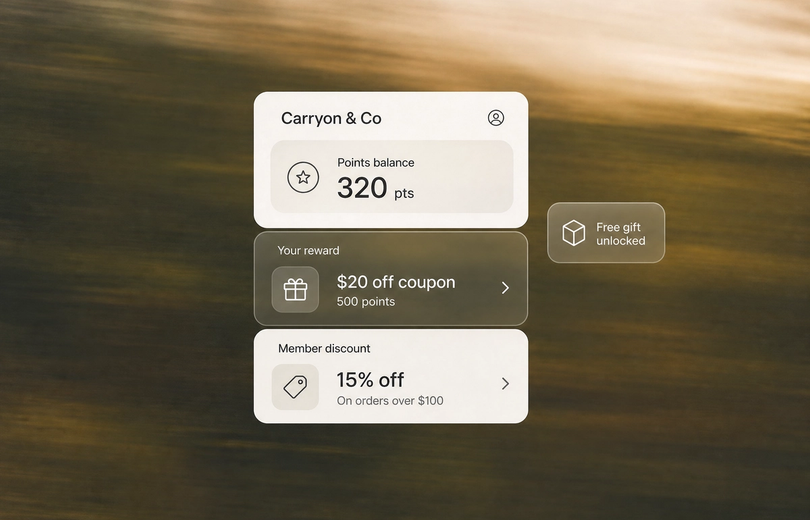
Store Credit vs. Points: Consider offering store credit redemptions rather than percentage discounts. A customer with 1,000 points that equals "$100 in store credit" feels more valuable and prestigious than "10% off your next purchase." The credit is real money, flexible, and feels like a gift rather than a reduction.
Personalized Gift Experiences: Use purchase history to curate gifts. If a customer has purchased blue sapphire pieces exclusively, their birthday reward might be a rare blue sapphire sample collection or exclusive access to new sapphire designs. Personalization transforms a generic reward into something that feels hand-selected for them.
Charitable Giving Options: Allow customers to redirect reward redemptions toward causes aligned with your brand values. A customer's loyalty points become donations to jewelry-industry sustainability initiatives or women's education nonprofits. This creates purpose-driven loyalty that extends beyond personal benefit.
Incentivizing Advocates: Referral Programs: Structure your referral rewards carefully for jewelry. A "give $25, get $25" model doesn't reflect the product value. Instead: "Refer a friend who makes a purchase over $500 and receive $150 in store credit plus entry into your VIP tier." Higher thresholds match the actual AOV.
Step 3: Designing Your VIP Tiers – The Hierarchy of Adoration
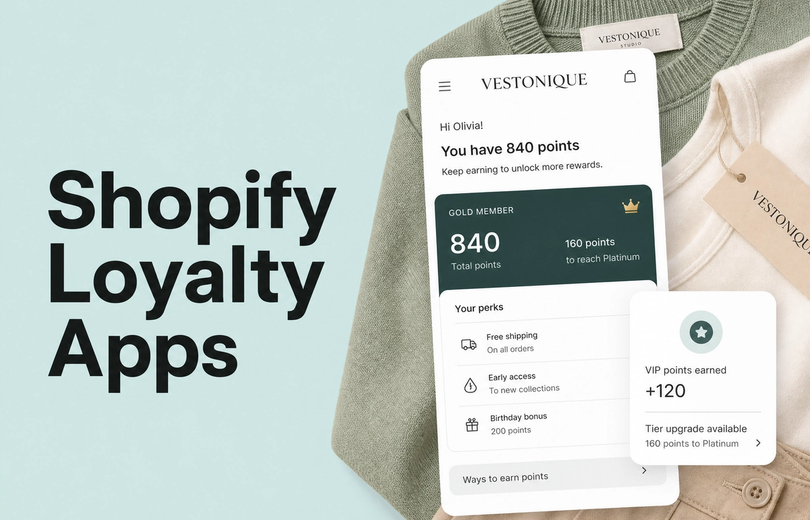
Tiered loyalty programs work exceptionally well for jewelry because they create aspiration and progression. Customers pursue the next level, naturally spending more in the process. Research shows that 3-4 tier structures consistently outperform single-tier models for jewelry brands.
Building a Luminous Ladder: Optimal Tier Structure
Consider this progression:
Tier 1 (Silver Sparkle): Entry level, all members. Basic earning rate, standard redemption options.
Tier 2 (Golden Gleam): $2,500 cumulative lifetime spend. 1.5x points multiplier, early access to sales, member-only gifts on birthday and anniversary.
Tier 3 (Diamond Elite): $7,500 cumulative lifetime spend. 2x points multiplier, exclusive product previews, free expedited shipping, personal stylist access.
Tier 4 (Eternal Radiance): $15,000+ cumulative lifetime spend. All previous benefits plus: invitation-only events, complimentary custom design consultations, extended warranties, concierge service.
These thresholds aren't arbitrary. They create natural breakpoints where customers feel genuine achievement in progressing, and the benefits at each level justify the spending required to reach them.
Criteria for Progression: Unlocking the Next Level
Define progression clearly. Lifetime spend is simplest and most transparent. Annual spend rewards consistent engagement. Purchase frequency rewards loyal behavior even if individual order values vary. Choose one primary metric and stick with it to avoid confusion.
Automate tier maintenance. Customers shouldn't wonder if they've qualified or manually request tier status. Your system should automatically promote them and notify them via email with celebration and details about new benefits.
Exclusive Tier Benefits: The Perks of Prestige
Enhanced Points Multipliers: If your program includes points-based redemptions, higher tiers earn points faster. 2x multiplier for Diamond Elite tier, for example.
Early Access: This is pure gold for jewelry brands. VIPs get first dibs on limited releases, seasonal collections, or exclusive collaborations. For customers who love your brand, early access feels like insider status.
Personalized Service: Assign a dedicated account manager or stylist to top-tier customers. When a Diamond Elite member visits your website or physical store, sales associates know their preferences, past purchases, and upcoming occasions. This transforms the experience.
Member-Only Products: Create limited-edition pieces exclusive to top tiers. Not available at any price to regular customers. This scarcity drives continued tier pursuit.
Shipping and Service Perks: Free expedited shipping, complimentary resizing and repairs, extended warranties. For something as precious as jewelry, these aren't trivial benefits.
Community Building Through VIP Tiers: Create exclusive online spaces for Diamond Elite members. A private forum or Facebook group where they can discuss new collections, share styling ideas, and connect with other VIPs. Involve top-tier members in product feedback and design voting. When customers feel heard by the brand, loyalty deepens.
Community Building & Monetization Through VIP Tiers
Use VIP tiers to create brand ambassadors. Your top customers become unofficial marketers, sharing their exclusive experiences in their networks. The most powerful marketing for jewelry brands comes from peer recommendations, not paid advertising.
Develop a formal brand ambassador program within Diamond Elite tier. Provide ambassadors with exclusive content, behind-the-scenes access, and recognition. They create content, refer friends, and feel genuinely invested in the brand's success. This monetization extends beyond direct sales into lifetime value and organic advocacy.
Step 4: Automating Emotion – Occasion-Based Personalization
Here's where a jewelry loyalty program truly diverges from generic ecommerce loyalty. Jewelry buying is deeply occasion-driven. Anniversaries, birthdays, engagements, births, graduations, milestone celebrations. Your program should recognize these moments with strategic, personalized communications.
Identifying Key Milestones for Jewelry
Standard occasions:
- Birthdays
- Wedding anniversaries (capture the specific date)
- Engagement anniversaries (the date they got engaged, often different from marriage date)
- Mother's Day, Valentine's Day, Christmas
- Personal milestones (graduations, promotions, significant birthdays like 30th, 50th, etc.)
But go deeper. Track the anniversary of major purchases. If someone bought an engagement ring on June 15th, three years later on June 15th, they should receive special recognition and occasion-relevant recommendations for that milestone. This signals that you remember not just their birthday, but the moments their pieces marked.
Advanced Occasion-Based Tracking and Hyper-Personalization
Collect occasion data deliberately during onboarding and profile completion:
- Partner's birthday or anniversary date
- Children's birth dates
- Significant life events
- Preferred style and metal preferences
- Occasion-based gift preferences
Use this data to trigger hyper-personalized communications. A customer with a partner's birthday flagged receives a curated email three weeks prior: "Celebrate [Partner Name]'s special day with a piece as timeless as your love." Include recommendations based on their established preferences. This feels intimate and thoughtful, not generic.
Automated Email Flows and Targeted Communications
Build email sequences that trigger on these occasions:
40 days before birthday: Gentle reminder with curated recommendations and a special bonus points offer for purchases made before their birthday.
7 days before anniversary: Stronger push with exclusive content (maybe a video message from your founder or design team) and a gift offer for anniversary purchases.
Day of occasion: Congratulations message with a special surprise or recognition.
Post-occasion follow-up: Thank you message with exclusive next-purchase rewards.
Open rates for jewelry emails around anniversaries typically hit 25-38%, significantly higher than standard promotional emails. Customers are actively thinking about the occasion and receptive to relevant recommendations.
Seamless In-Store Luxury Experience Integration
If you have physical retail, the loyalty program extends there. Your point-of-sale system should display customer tier status and upcoming occasions when sales associates ring up transactions. An associate sees that someone is a Diamond Elite member with an anniversary in two weeks, and can proactively suggest complementary pieces or offer exclusive services.
This bridge between digital loyalty data and in-store experience creates seamless luxury. The customer feels known and valued whether they shop online or in-store.
Step 5: Seamless Integration – Launching on Shopify
Your loyalty program lives and dies by implementation quality. Friction kills engagement.
Choosing the Right Loyalty App for Your Shopify Store
Look for these non-negotiable features:
Native Shopify integration: The app installs directly into your Shopify admin and integrates with your checkout seamlessly. No external URLs or workarounds.
Robust API and webhook support: You may need to connect data with email platforms, POS systems, or custom tools. Strong API access is essential.
Point-of-Sale integration: If you have a physical store, POS integration ensures customers earn and redeem loyalty rewards both online and in-store, with consistent member status.
Email platform integrations: Seamless connection with Klaviyo (or your email tool) so loyalty actions trigger automated email sequences.
Customization and white-label options: Your loyalty program should feel like a natural extension of your brand, not a generic app bolted onto your store.
jewelry loyalty programs require platforms that understand the industry specifics: high AOV, occasion sensitivity, and the importance of personalization.
Implementing Your Chosen Loyalty App: A Step-by-Step Guide
- Install the app from the Shopify App Store and authorize it with your store.
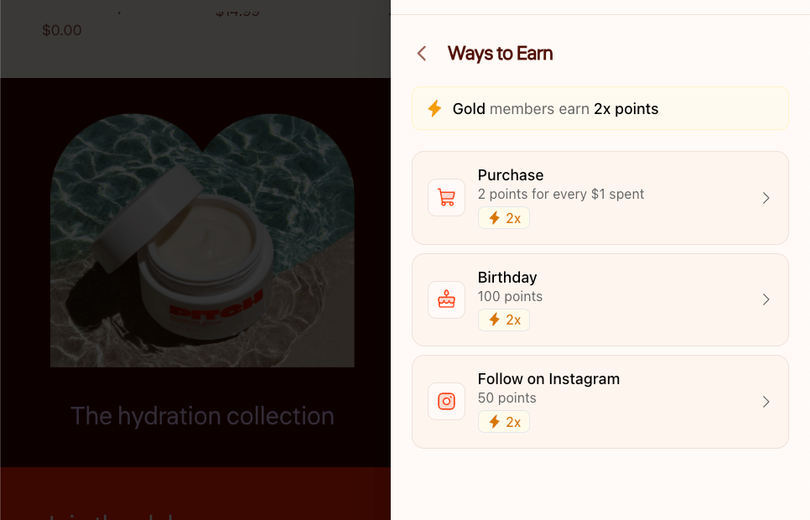
- Configure earning rules: Define how customers earn points or progress tiers. Set multipliers for different actions (purchases, referrals, reviews).
- Set up reward redemptions: Design what customers can redeem their points or tiers for. Input store credit values, experiential reward descriptions, or perks.
- Define tier structures: Input your tier names, spending thresholds, and benefits at each level.
- Customize customer-facing elements: Design the appearance of your loyalty widget (how it displays on product pages and checkout), create a dedicated loyalty landing page, and customize emails and notifications.
- Test thoroughly: Create test accounts, simulate earning and redemption, verify emails send correctly, and ensure tier progression works as intended.
- Train your team: If you have retail staff, ensure they understand the program, tier benefits, and how to access customer information at point of sale.
Shopify Theme Customization for a Branded Experience
Your loyalty widget should match your brand aesthetic. Customize colors, fonts, and copy to feel native to your store. The loyalty page should explain the program with clarity and beauty, featuring your brand voice and design language.
Transparency matters. Customers should instantly understand how to earn, what tiers exist, and what they unlock at each level. Confusion leads to disengagement.
Omnichannel Harmony: Bridging Online and In-Store Loyalty
If you operate both online and physical retail, omnichannel loyalty strategy is essential. A customer who purchases in-store should see that purchase reflected in their online account. Conversely, someone who accumulates loyalty status online should have that status recognized and honored in physical stores.
This requires POS integration with your loyalty platform and consistent data syncing. It's worth the technical investment because the seamlessness directly impacts customer experience and perceived brand quality.
Integrating with Your Marketing Tech Stack
Connect your loyalty platform to Klaviyo (or your email marketing tool) so that loyalty events trigger automated sequences. A customer reaching Diamond Elite tier should automatically be enrolled in a welcome sequence with exclusive benefits and VIP recognition.
Build segments in Klaviyo based on tier status and purchase behavior. Send different content to different tiers. Occasion-based automation becomes sophisticated: segment customers by upcoming birthday or anniversary, then send tailored messaging weeks in advance.
Step 6: Measuring Your Mettle – Tracking ROI and Optimizing for Growth
A loyalty program without measurement is just an expensive goodwill gesture. Track relentlessly.
Key Performance Indicators (KPIs) for Loyalty Success
Repeat Purchase Rate: Percentage of customers who make multiple purchases. Track this for loyalty members vs. non-members. Target: +20-30% higher repeat rate for members.
Customer Lifetime Value (CLTV): Total revenue generated from a customer across their entire relationship with your brand. increase customer lifetime value through strategic loyalty design. Loyalty members should demonstrate 40-60% higher CLTV.
Average Order Value (AOV): Track AOV separately for different tier members. Top tiers should consistently order higher-value pieces.
Reward Redemption Rate: Percentage of earned points actually redeemed. If redemption is below 60%, your rewards don't feel valuable enough or customers don't understand the redemption process.
Referral Conversion Rate: What percentage of referred customers complete purchases? A 10-15% conversion rate on referrals is solid; 20%+ is excellent.
Customer Churn Reduction: How many loyalty members who would have gone dormant actually remained active? Measure repurchase intervals and compare to pre-program baseline.
Engagement with Loyalty Communications: Email open rates, click rates, and email-driven revenue. Your occasion-based campaigns should outperform standard promotional emails by 2-3x.
loyalty program analytics provides the framework for ongoing optimization.
ROI Justification for Low-Frequency, High-Value Purchases
Jewelry presents unique ROI challenges. Purchase frequency is low, sales cycles are long. You can't measure program ROI the same way as a subscription or repeat-purchase business.
Instead, focus on CLTV as your primary metric. Calculate the total revenue generated by loyalty members over 12, 24, and 36 months, then subtract the cost of program operation and rewards. For a typical jewelry brand with well-designed loyalty, the CLTV of members exceeds non-members by 40-60%, more than offsetting program costs.
Additionally, measure reduced customer acquisition costs. If your loyalty program drives 30% of new customers through referrals, and your referral CAC is 50% lower than paid advertising CAC, that's direct ROI.
Also consider brand equity and organic growth. Loyalty programs create advocates who recommend your brand. That word-of-mouth is unquantifiable but tremendously valuable.
Data Analysis and Iteration: Polishing Your Program
Monitor your KPIs monthly. Create dashboards that surface the metrics that matter most to your business. When you spot underperformance (like low redemption rates), dig into the why. Maybe your reward thresholds are too high, or the redemption process is confusing.
A/B test strategically. Change one variable at a time: test different point values for the same action, vary email subject lines, test different occasions for special promotions. Small improvements compound.
Gather qualitative feedback. Send surveys to loyalty members asking what rewards they'd value most, what occasions matter most to them, and what would motivate higher engagement. Customers will tell you exactly what they want if you ask.
Beyond the Transaction: Cultivating Emotional Connections
At this point, you've built the mechanics of a loyalty program. Now build the heart.
Tying Loyalty to Emotional Narrative
Jewelry carries stories. Proposals, anniversaries, mother-to-daughter heirlooms, self-love purchases. Your loyalty program should make space for these stories, not hide from them.
Create an "Our Stories" section where customers can share the moments their pieces marked. What was happening when they received it? Who gave it to them? How does it make them feel? Offer bonus loyalty points for sharing stories. Feature the best ones on your website and social channels.
Introduce "legacy points" for customers who purchase heirloom or multi-generational pieces. These pieces transcend typical purchase loyalty; they honor familial and historical significance. Reward that intentionality with special recognition.
This shifts your loyalty program from "we want you to keep buying from us" to "we want to be part of your most meaningful moments." That's the actual power of emotional loyalty.
Fostering a Brand Community
Beyond individual relationships, build community. Exclusive Facebook groups for VIP tier members where customers share styling ideas, discuss new collections, and connect over shared love of your brand. Host virtual events: design talks, styling sessions, or anniversary celebrations with your founder.
Involve customers in product development. Ask Diamond Elite members for feedback on new designs. Let them vote on which materials or styles to feature in limited editions. When customers help create the products, they feel invested in their success.
These community-building efforts cost surprisingly little to operate but generate extraordinary loyalty. Customers stay because they've developed relationships not just with your brand, but with other customers who appreciate beautiful things.
Frequently Asked Questions
What is the ideal number of tiers for a jewelry loyalty program?
Three to four tiers is the sweet spot for jewelry. Three tiers work well for smaller brands or those just starting; four tiers provide more granular progression and motivation. More than four becomes confusing. Fewer than three limits the aspirational journey.
Should I offer points or direct discounts for a luxury jewelry brand?
Luxury brand loyalty should emphasize experiences, exclusivity, and personalization over discounts. If you use points, position them toward exclusive rewards and store credit rather than percentage discounts. The goal is perceived prestige, not price reduction.
How can I integrate my loyalty program with my in-store experience?
Use a POS system that connects to your loyalty platform so that in-store purchases earn points and count toward tier progression. Train retail staff to see customer loyalty status and upcoming occasions on the sales terminal. This knowledge enables personalized service that extends the loyalty experience offline.
What are the most effective rewards for high-AOV jewelry customers?
Early access to new collections, private styling consultations, exclusive member-only pieces, personalized gift experiences tied to occasions, and experiential rewards like exclusive events outperform traditional discounts. Customers buying expensive jewelry aren't motivated by price cuts; they're motivated by exclusivity and personal recognition.
How do I measure the success of my jewelry loyalty program?
Track repeat purchase rate, customer lifetime value, average order value, reward redemption rate, and referral conversion rate. For jewelry specifically, focus on long-term CLTV metrics rather than immediate ROI. Measure impact over 12-24 months, as jewelry purchase cycles are longer than most ecommerce.
TLDR
Building a successful loyalty program for your Shopify jewelry brand means shifting from transactional discounts to emotional rewards. Design high-AOV reward structures around experiences, exclusivity, and personalization rather than price cuts. Implement 3-4 VIP tiers with clear progression paths and benefits that feel genuinely prestigious. Automate occasion-based personalization by tracking birthdays, anniversaries, and jewelry-specific milestones. Integrate seamlessly with your Shopify store and email marketing platform. Measure success through CLTV and repeat purchase rate rather than short-term metrics. The best jewelry loyalty programs transform occasional buyers into lifelong advocates by honoring the emotional significance of the pieces you sell.

Kris is the co-founder of Mage Loyalty. I spend most days talking to merchants, shipping features, and making sure our customers get real results. If you run a Shopify store or Agency we should chat!