Most artisan food brands believe their loyalty programs should avoid discounts at all costs, fearing that reducing prices will cheapen their premium positioning. It's a reasonable concern. But here's the counterintuitive truth: the problem isn't offering value through loyalty—it's offering the wrong type of value.
Premium food brands don't fail because they rewarded customers. They fail because they tried to compete on price instead of exclusivity. When a small-batch chocolate maker offers 20% off to loyalty members, they're essentially admitting their product isn't worth the premium price. When they offer early access to a limited seasonal release or a private video from the founder discussing their sourcing philosophy? That reinforces everything they've built their brand on.
The most successful artisan food brands have discovered something crucial: loyalty isn't about discounts. It's about belonging to something rare. And that changes everything about how you build your program.
The Essence of Artisan and Small-Batch: Defining Premium Food Experiences
Let's start with what actually makes a product "artisan" in the first place.
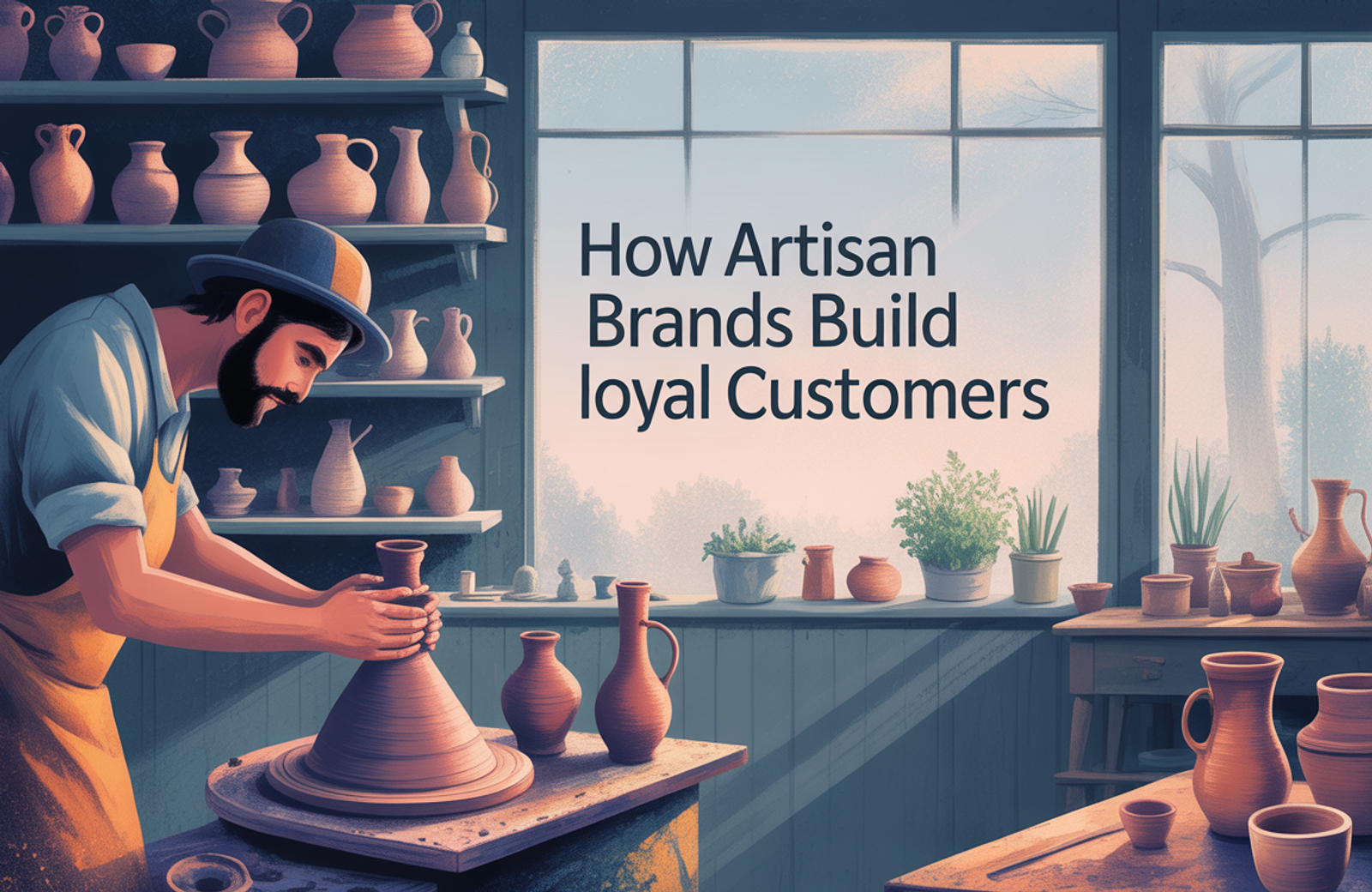
Artisan and small-batch food brands aren't defined by marketing language alone. They're distinguished by meticulous craftsmanship, often hand-selected or locally sourced ingredients, unique production methods that can't be replicated at scale, and a compelling story rooted in place, tradition, or personal passion. A jar of artisan jam isn't just fruit and sugar. It's the fruit from a specific orchard, prepared using techniques passed down through generations, in small batches that prioritize flavor over volume.
Consumers don't just perceive these products differently. They value them differently. There's a fundamental shift in how people think about a product when they understand the human effort, scarcity, and intentionality behind it. A mass-produced cookie is a commodity. A hand-rolled cookie made with heritage grains and slow-fermented butter from a specific dairy is a culinary experience.
That higher price point? It's not arbitrary. It reflects years of perfecting technique, investments in quality ingredients that cost more, labor-intensive processes, and the simple economic reality that smaller production runs are more expensive per unit. Premium commands premium because the consumer recognizes genuine value. Your job isn't to justify the price. Your job is to deepen the relationship with customers who already understand why quality costs more.
This is where most artisan brands make their first mistake. They assume loyalty programs are about making products more affordable. Instead, loyalty programs for premium food brands should do the opposite: they should make the experience of being a customer more meaningful, more exclusive, and more connected to the craft itself.
Beyond Repeat Purchases: Why Loyalty is the Secret Ingredient for Artisan Brands
Here's what happens when you nail artisan brand loyalty.
Instead of customers, you build a community. These aren't people making repeat transactions. They're advocates who understand your story, appreciate your methods, and actively defend your brand to others. They don't just buy your product. They evangelize it. They bring friends to try it. They post about it on social media unprompted. They wait eagerly for your seasonal releases.
This distinction matters because it directly impacts your bottom line. Emotionally connected customers spend more, stay longer, and require less marketing to acquire new customers similar to themselves. Research shows that 56% of consumers are willing to pay more for products from brands they feel emotionally connected to. That's not a nice-to-have statistic for artisan brands. That's your entire business model.
Increase customer LTV by building loyalty that extends beyond the transaction. When customers feel they're part of something authentic and rare, they don't just buy more often. They buy in larger quantities, they explore more of your product line, they renew their commitment year after year. A customer who purchases your seasonal jam once might buy a single jar. A loyal community member might buy three jars for themselves, gift boxes for holidays, and pre-order next year's release.
There's also a protective element many brands overlook. Strong loyalty insulates your brand from commoditization. When competitors emerge or when larger brands try to capitalize on artisan trends, your loyal customers remain anchored to you. They're not shopping around for the cheapest option. They're loyal to your specific craft, your specific story, your specific vision. That's defensible positioning in ways that discounts simply aren't.
Crafting Connection: The Pillars of Artisan Brand Loyalty
Artisan brand loyalty rests on four distinct pillars. Each one matters. All four together create something powerful.
Storytelling as the Soul: Building Emotional Bonds
Think about why you started this business in the first place. Not the sanitized version in your "About Us" page. The real reason. Maybe it was frustration with the quality of commercially available products in your market. Maybe it was family tradition you wanted to preserve. Maybe it was a personal challenge you wanted to overcome. That narrative, that authenticity, is magnetic to the right customers.
Here's an analogy: storytelling in artisan brand loyalty is like knowing the farmer who grew your food, not just buying it from a shelf. When you know the person, their hands-on effort, their philosophy, their commitment to quality—the product becomes infinitely more valuable. Not because it's different. But because you understand why it's different.
The most effective brand stories aren't about success. They're about struggle and intention. Customers connect with founders who've faced obstacles, experimented with techniques, invested their own resources, and chosen quality over scaling. When you share those stories through loyalty channels, something shifts. Your customers aren't just buying jam. They're supporting a craftsperson. They're participating in preserving a way of making food that most companies have abandoned.
This is where many artisan brands miss an opportunity. They share their founder story once, on their homepage or in a video, and then never mention it again. Loyalty programs should weave these stories throughout the entire customer journey. Your loyalty members should receive exclusive updates about new sourcing decisions, should hear directly from the founder about seasonal product thinking, should be invited into the creative process. This isn't marketing. This is relationship deepening.
The Allure of Exclusivity: Elevating Status and Desire
Here's where the distinction between artisan loyalty and mainstream loyalty programs becomes crystal clear.
A typical loyalty program says: "Buy more, spend more, save more." An artisan loyalty program says: "Join our inner circle. Access experiences and products available to very few people."
The difference isn't subtle. It's the difference between a coupon club and a secret society for people who care deeply about food. One is transactional. The other is transformational.
Exclusivity in artisan brand loyalty works because it taps into something fundamental in human psychology: the desire for status and belonging. Tiered programs aren't just about escalating benefits. They're about progression. Members can see the next level, understand what it takes to reach it, and feel genuinely proud when they do. A customer who reaches your "Master Artisan" tier isn't just someone who spent a lot of money. They're someone who's deeply embedded in your community, someone who understands your products intimately, someone worthy of your absolute best experiences.
What makes this work for premium brands is that exclusivity reinforces perceived value rather than undermining it. When something is available to everyone, it feels cheap. When something is available only to your most dedicated members, it feels special. It feels earned. It feels worth the premium price you're charging.
The Thrill of the Chase: Limited Releases and Scarcity
Scarcity works. It always has. What makes it particularly powerful for artisan food brands is that scarcity often isn't artificial. It's real.
A small-batch chocolate maker can't just churn out their lavender-infused dark chocolate year-round. Maybe the lavender is only harvested in summer. Maybe the production process is so labor-intensive that they can only make small quantities. Maybe they're intentionally limiting production to maintain quality. These constraints are features, not bugs. They're part of what makes the product artisan.
Loyalty programs can amplify this dynamic. Strategic food brand seasonal campaigns create urgency and anticipation. When loyalty members get a 48-hour head start on purchasing a limited spring release, they feel valued. When they know they have only 72 hours to claim a members-only product variant, they act. This isn't manipulative scarcity. It's respect for the genuine constraints of artisan production, combined with recognition that your most loyal customers deserve first access.
Think of it like collecting rare culinary treasures rather than just buying groceries. The moment of acquisition becomes an event. The product itself becomes more meaningful because you had to be part of the right community to access it.
Peeking Behind the Curtain: Behind-the-Scenes Access and Trust
The final pillar is transparency. And for artisan brands, transparency isn't just marketing. It's proof.
When you show your production process, when you introduce the people behind your products, when you explain why you source from specific suppliers, you're demonstrating that you have nothing to hide. You're inviting customers into the reality behind the brand. And in a market increasingly saturated with greenwashing and false premium positioning, that transparency builds trust in ways that almost nothing else can.
Think of behind-the-scenes access like a backstage pass to the culinary craft. Your customers get to understand the skill, precision, and care that goes into every product. They might discover that your process is even more meticulous than they imagined. They might learn about challenges you face and appreciate the solutions you've developed. They become advocates not just of your products, but of your philosophy and your methods.
For loyalty programs specifically, behind-the-scenes access could include virtual production tours, exclusive interviews with key artisans, detailed documentation of ingredient sourcing, or live Q&A sessions where members can ask questions directly. These aren't just content. They're relationship infrastructure.
Implementing a Loyalty Strategy for Your Artisan Brand
Now let's move to practical application. Understanding these pillars is important. Actually building them into your program is how you compete.
Designing Your Exclusive Loyalty Tiers (The VIP Experience)
Your tier structure should reflect the artisan experience itself. Instead of generic names like Silver and Gold, consider names that connect to your craft. A coffee roaster might use "Enthusiast," "Connoisseur," and "Master Roaster." A spice blender might use "Explorer," "Curator," and "Chief Blender." These names matter because they reinforce belonging to something intentional and specialized.
More importantly, the benefits should reflect exclusivity rather than just discount depth. Here's what this looks like in practice:
Tier 1 (Enthusiast/Apprentice) might offer early access to new product announcements and 10% off loyalty-exclusive products. Tier 2 (Connoisseur/Artisan) adds members-only tasting events, personalized product recommendations based on purchase history, and exclusive merchandise. Tier 3 (Master) unlocks the premium experience: first access to limited releases (24-48 hours before general availability), invitation to virtual production tours and founder Q&As, personalized letters from the founder, and potentially even involvement in product development decisions.
Notice what's missing: deep discounts. Instead, you're offering status, access, community, and direct connection to the craft.
Weaving Founder Stories into Ongoing Loyalty Engagement
Your founder story isn't a one-time brand asset. It's the connective tissue of your entire loyalty program.
Create a members-only content hub where you share updates about new sourcing decisions, introduce new team members, document seasonal ingredient arrivals, or walk through the thinking behind product development. A video showing your founder visiting the farm where you source your primary ingredient isn't just content. It's proof of your commitment. It's education. It's relationship deepening.
Top-tier members could receive personalized video messages from the founder, perhaps acknowledging a milestone in their membership or thanking them specifically for their loyalty. It sounds personal because it is personal. At the scale most artisan brands operate, this is actually feasible.
Interactive storytelling amplifies engagement. Invite members to submit questions for the founder. Hold monthly live Q&A sessions. Create polls where members vote on which seasonal flavor to bring back or which ingredient innovation to pursue. These mechanisms transform customers from passive observers into active participants in the brand's journey.
Mastering the Art of Limited Releases with Loyalty
Limited releases are the lifeblood of artisan brand excitement. Done right, they drive engagement, create urgency, and generate word-of-mouth momentum that no amount of paid advertising can replicate.
Structure these releases to reward loyalty. Members at your highest tier get 48 hours of exclusive access before the general release. Members at mid-tier get 24 hours. New community members get general availability. This creates natural tier progression motivation. If someone loves your brand, they want to reach that tier where they get first access.
Take this further with co-creation opportunities. Let loyalty members vote on which limited flavor variation to produce. Invite them to suggest new ingredient combinations. Create a feedback loop where the most engaged members feel like they're actively shaping your product roadmap. This is beyond traditional loyalty. This is shared ownership of the brand's creative direction.
Some brands go further with loyalty-exclusive editions that are only available to members and never sold to the general public. A chocolate maker might create a limited run that's only available to their top-tier members. A jam maker might produce a specific flavor only for their most loyal customers. These products become symbols of belonging. Members understand they're part of something genuinely exclusive.
Design VIP tiers that turn shoppers into brand loyalists by using these tiers not just for recognition, but as the structure through which you deliver all your loyalty value.
Opening the Vault: Behind-the-Scenes Access Rewards
Behind-the-scenes content is more valuable than you think. It humanizes your brand and proves the investment you're making in quality.
Virtual production facility tours let members see exactly how your product is made. They witness the precision, the care, the standards you maintain. They understand why your product costs more. A live or recorded artisan-led workshop where a team member demonstrates a technique or walks through recipe development becomes educational content that members genuinely want to experience.
Create "Meet the Maker" content that introduces key people behind your products. A profile of your head jam maker, explaining how they've developed the perfect set ratio and cooking technique over years of experimentation. An interview with your ingredient sourcer about how they vet suppliers. A short documentary featuring your founder discussing the decision to move to higher-quality ingredients and the impact it had on your costs.
Ingredient journey spotlights are particularly powerful for artisan brands. Deep-dive content on the origin of your primary ingredient, the farmer or supplier behind it, the seasonal variations you contend with, and the quality standards you maintain. This isn't marketing fluff. This is education that makes customers understand why your products are worth the premium pricing.
Recipe sharing and usage guides from the founder or head artisan add utility to loyalty. Members don't just receive your products. They receive guidance on how to use them in ways they might not have considered. These guides deepen product appreciation and often lead to larger purchase quantities.
Choosing the Right Loyalty Platform for Shopify Brands
The mechanics of your loyalty program need to actually function. This is where platform selection matters.
Look for platforms that integrate seamlessly with Shopify without creating data silos. You need to be able to build custom tier structures that match your brand narrative, not forced into generic "Bronze/Silver/Gold" frameworks. Segmentation capabilities matter because you'll want to communicate differently with members at different tiers and engagement levels.
Best Shopify loyalty apps should offer detailed analytics so you can understand which loyalty features are driving engagement and which are falling flat. You need to see tier progression rates, redemption patterns, and the lifetime value differences between loyalty members and non-members. This data informs your strategy evolution.
For artisan brands specifically, look for platforms that support non-monetary rewards easily. Points redeemable for exclusive products, access to members-only experiences, or even branded merchandise. The platform should make it simple to tie rewards to your specific brand narrative rather than forcing a generic discount mentality.
Measuring Success and Evolving Your Artisan Loyalty Program
You can't improve what you don't measure. But measurement for artisan brand loyalty looks different than typical ecommerce metrics.
The obvious metrics—repeat purchase rate, average order value, customer lifetime value—absolutely matter. But dig deeper. Track loyalty program analytics including engagement with non-purchase loyalty activities. How many members are opening exclusive content? How much traffic do behind-the-scenes videos receive? How many members participate in limited release opportunities versus just making standard purchases?
Net Promoter Score becomes particularly important for artisan brands because it measures the likelihood that members recommend you to others. That word-of-mouth advocacy is how artisan brands scale without scaling their production. Track how many new customers cite "friend recommendation" as their discovery source. Compare the lifetime value of referred customers to other acquisition sources.
Referral rates and social media mention volume matter too. Members become advocates. Track how often they mention you online, tag your products, or recommend you explicitly. This is direct evidence of emotional connection.
Gather continuous feedback through surveys, community interactions, and direct conversations with your most engaged members. Ask what benefits matter most to them. Ask which limited releases generated the most excitement. Ask what would deepen their loyalty further. This feedback loop is how you ensure your loyalty program evolves with customer preferences rather than stagnating into an outdated program that once worked.
Bringing It Together
Artisan and small-batch food brands have an unfair advantage when it comes to building loyalty. Your products already tell a story. Your craftsmanship already reflects genuine care. Your scale already creates natural scarcity. You're not trying to manufacture authenticity. You're trying to share it.
The loyalty programs that work for artisan brands don't compete on price. They compete on belonging, exclusivity, access, and connection. They recognize that your most valuable customers don't want a discount. They want to be part of something rare and intentional. They want to understand the craft. They want to feel like insiders.
Build this right, and you don't just create repeat customers. You create advocates. You create a community. You create a sustainable brand that scales on quality and reputation rather than marketing spend and discounting.
Frequently Asked Questions
Q: Can a small artisan brand truly afford a loyalty program?
A: Yes. In fact, resource constraints can force focus that benefits artisan brands. You don't need a massive platform with every feature imaginable. You need a tool that lets you segment your best customers, offer them exclusive early access to limited releases, and share your founder story in a members-only space. This is fundamentally less expensive than paying for customer acquisition through paid advertising.
Q: How do I make my loyalty program feel exclusive without alienating new customers?
A: Exclusivity exists at the tier level, not at the program entry level. Anyone can join. But progression through tiers—which unlock increasingly valuable experiences—is based on genuine engagement. New customers feel welcome joining the community. Over time, as they prove their commitment, they gain access to premium experiences. This is natural gatekeeping rather than artificial barriers.
Q: What's the best way to share founder stories authentically without sounding boastful?
A: Focus on challenges and learning rather than success stories. Talk about the times you failed and what you learned. Discuss difficult sourcing decisions and why you made them. Acknowledge the constraints you work within. Authenticity isn't about bragging. It's about inviting people into your reality. The boastful version sounds like "I'm the best." The authentic version sounds like "Here's why we do things this specific way, and here's what we've learned along the way."
Q: How often should I offer limited releases, and how do I determine what to release?
A: Limited releases should align with your actual production constraints. If you're small-batch by nature, you might release new variations seasonally or quarterly. If you have specific ingredient seasonality, tie releases to when those ingredients are available. For determining what to release, listen to customer feedback and consider loyalty member input. A poll asking "Which of these flavor concepts interests you most?" gets members invested in the eventual release and gives you directional guidance for production.
TLDR
Artisan food brands build loyalty not through discounts, but by creating exclusive experiences rooted in authentic storytelling, member-only access, limited releases that respect genuine scarcity, and behind-the-scenes transparency that proves your craft. Use tiered loyalty programs to reward emotional connection and community participation over simple purchases. This approach transforms casual buyers into passionate advocates who actively promote your brand, resulting in higher lifetime value and word-of-mouth growth that far exceeds what discounting could ever achieve.

Graeme is the co-founder at Mage Loyalty. He heads product development, from complex loyalty migrations and large-scale data handling to building the features shaping the future of loyalty on Shopify.