Most e-commerce leaders think loyalty programs are about rewards. They're wrong. A well-designed loyalty card is actually a data collection and behavior modification engine disguised as a discount offer. The real magic happens when you stop thinking about points and start thinking about building habitual customers.
Here's something counterintuitive: 72% of customers who enroll in loyalty programs use 50% or less of their membership benefits. Not because the programs fail, but because most businesses design them backward. They start with the reward structure instead of customer behavior. The brands that actually drive sales think differently—they design around psychology first, rewards second.
Over the last few years, working with retention teams across multiple verticals, I've noticed a pattern. The loyalty programs that genuinely move the needle share three things: they solve a real customer problem, they reward behavior that matters to the business, and they feel effortless to participate in. The rest just become digital clutter in customers' email inboxes.
Why Loyalty Programs Are Essential for Customer Retention
Customer acquisition is expensive. It costs 5 to 25 times more to acquire a new customer than to retain an existing one. Loyalty programs flip that equation. Members of loyalty programs generate 12-18% more incremental revenue growth annually than non-members, while a 5% increase in customer retention can drive roughly a 25% increase in profit across your business.
But here's what most store owners miss: loyalty programs do more than increase purchase frequency. They shift customer perception. When someone has points accumulated in your system, they've made an emotional investment in your brand. They're more likely to complete purchases, less likely to browse competitors, and far more likely to refer friends.
The real competitive advantage? Loyalty programs provide direct access to customer data. You know what they buy, when they buy, how much they spend, and what triggers them to engage. That information is worth more than the discounts you'll ever give out.
Understanding Diverse Loyalty Program Models
Different customer segments respond to different reward structures. Let's look at the primary models:
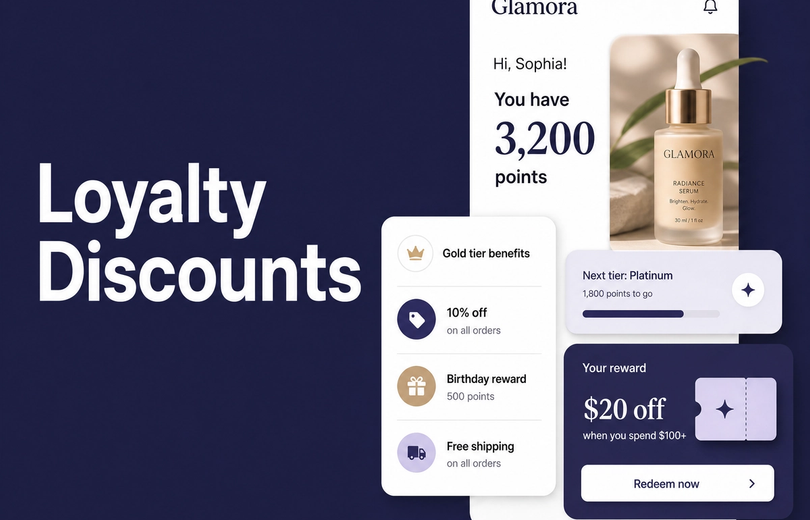
Points-Based Systems reward cumulative behavior. Customers earn points for purchases, reviews, referrals, or social actions. Simple. Transparent. Easy to scale. Best for brands where frequency matters more than basket size.
Tiered Programs create aspiration. Bronze, Silver, Gold—each tier unlocks better benefits. The gap between tiers becomes a motivator. Customers spend more trying to reach the next level. This model works exceptionally well in luxury and premium segments.
Paid VIP or Subscription Models flip the dynamic completely. Customers invest upfront. Amazon Prime is the obvious example, but this model works across retail, food delivery, and SaaS. The psychology is powerful: people protect their investment by using it more.
Gamified Programs add game-like elements—challenges, leaderboards, streak bonuses. Think Chipotle's digital rewards or fitness apps. Engagement skyrockets when there's an element of play and competition.
Cashback and Experiential Rewards operate on different currencies. Some customers want money back. Others want exclusive access, VIP experiences, or limited-edition products. The best programs offer both.
The Shopify loyalty program growing brands trust
See how Mage helps Shopify brands lift repeat purchase rate with loyalty, referrals and store credit.
Book a demoCreative Loyalty Card Examples Driving E-commerce Success
Sephora Beauty Insider
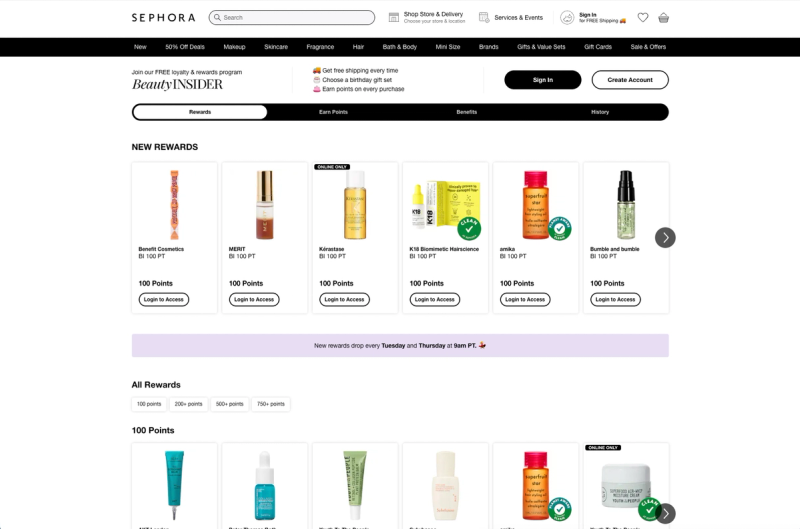
Program Type: Tiered & Points-Based with Experiential Elements
Sephora's model is textbook excellence. Insiders earn points on every purchase. Points stack into increasingly valuable tiers (Insider, VIB, Rouge), each unlocking better benefits. VIB members get exclusive product access and early sale dates. Rouge members—the top tier—receive quarterly beauty boxes and birthday gifts.
The genius isn't the points. It's the combination. You earn points for spending, but you also get early access, exclusive products, includes birthday rewards, and experiences you can't buy elsewhere. Sephora made spending feel like joining an exclusive club.
Why It Works: Sephora created emotional investment through exclusivity and milestone moments. Birthday rewards arrive when customers are in a gift-giving mindset. Early access to sales makes members feel special. The tiered structure gives customers something to aspire to.
Key Takeaway: Combine transactional rewards with experiential ones. Exclusive access and milestone moments drive deeper loyalty than points alone.
Amazon Prime
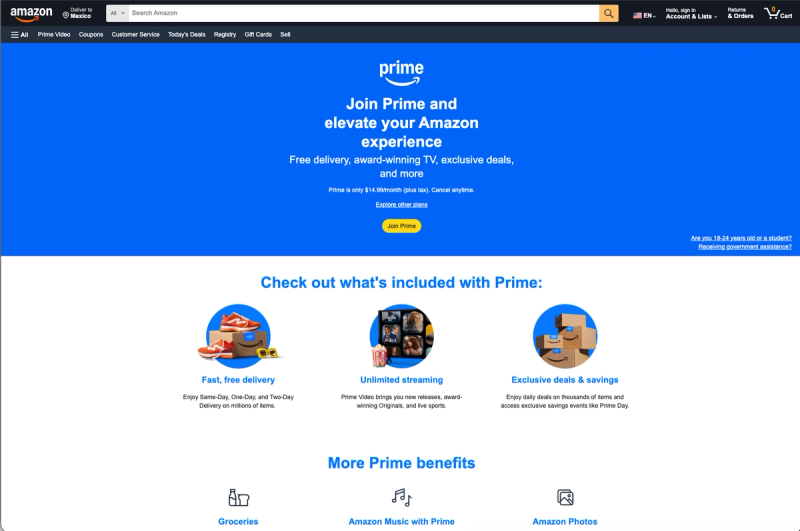
Program Type: Paid Subscription/VIP
Amazon charges $139 per year for Prime. In return: free two-day shipping (now often one-day), streaming video, music, early access to deals, and exclusive member-only products. The subscription model seems backward—why charge for benefits? Because it works.
Prime members spend significantly more than non-members. The annual investment creates what's called the sunk-cost effect. Customers use Prime more aggressively to justify the cost, which leads to higher spending, which reinforces the decision to renew.
Why It Works: Paid programs create psychological ownership. You protect your investment. Amazon also offers immediate, tangible benefits that feel valuable on day one, so new members never question the decision to subscribe.
Key Takeaway: A paid program can dramatically increase member engagement and spending when the immediate benefits feel substantial enough to justify the cost.
Nike (NikePlus) and Adidas (AdiClub)
Program Type: Tiered & Experiential
Both brands tie rewards directly to brand passion. Nike members unlock early access to new releases, personalized product recommendations, and invitations to exclusive events. Adidas offers similar benefits with emphasis on community involvement and athlete events.
Neither brand emphasizes point calculations. Both emphasize status and belonging. You're not collecting points toward a discount—you're joining an inner circle of true enthusiasts.
Why It Works: These programs align rewards with customer identity. Nike customers don't just want shoes; they want to feel like insiders in the athletic community. By offering experiences and access rather than discounts, both brands reinforce the emotional connection.
Key Takeaway: Connect your loyalty rewards to what your customers actually value about your brand. For athletic brands, that's community and insider status, not percentage discounts.
Lively (Intimates Brand)
Program Type: Engagement & Referral-Based Loyalty Programs
Lively rewards customers for purchases, social media engagement, referrals, and even signing up. Unlike traditional programs focused solely on spending, Lively's approach recognizes multiple ways customers create value. Refer a friend and get rewarded. Tag Lively on Instagram and earn points. Leave a review and unlock credits.
This approach transformed customer acquisition. Word-of-mouth referrals became systematized. Social media became a loyalty channel.
Why It Works: Lively recognized that not all value is transactional. A customer who refers five friends might spend less personally but drives far more revenue. By rewarding engagement and advocacy, Lively created a community of brand ambassadors.
Key Takeaway: Loyalty programs can be powerful tools for building brand communities and leveraging word-of-mouth marketing. Reward behavior that drives business growth, not just individual spending.
Astrid & Miyu (Jewelry)
Program Type: Tiered with Early Access
This UK-based jewelry brand keeps it simple: spend more, get better benefits. Loyalty tiers unlock early access to new collections, birthday discounts, and exclusive product drops. The exclusivity of early access creates genuine FOMO among customers.
Why It Works: Early access is valuable because it's scarce. Customers who get to see and purchase new designs before the general public feel privileged. This drives repeat visits and strengthens the relationship beyond price.
Key Takeaway: Offer something you can't buy with money. Early access, exclusive previews, and limited editions make top-tier members feel genuinely special.
The North Face (XPLR Pass)
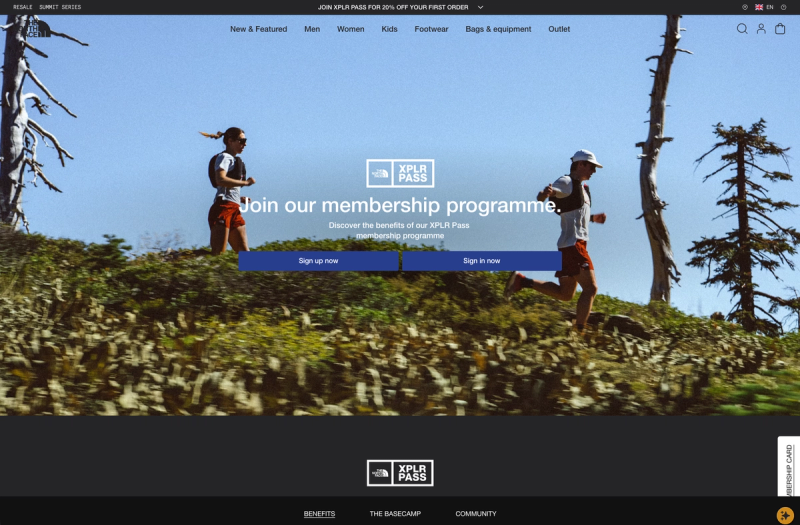
Program Type: Tiered & Experiential
The North Face blends points with adventure-focused experiences. Members earn points on purchases but also unlock access to exclusive gear testing, community events, and expert resources. The brand deeply understands its audience: people who identify as adventurers don't just want discounts—they want to deepen their connection to the outdoors and the community.
Why It Works: The program reflects brand mission. The North Face is selling adventure and community, not just jackets. The loyalty program reinforces that identity by giving members experiences aligned with it.
Key Takeaway: Align your loyalty program with your brand's core mission. Customers stay loyal when the program deepens the relationship they actually want with your brand.
Pacifica Beauty
Program Type: Points & Community Engagement
Pacifica, an eco-conscious beauty brand, rewards purchases with points but also emphasizes community impact. Customers earn extra points for engaging with the brand's values—sharing reviews, participating in sustainability initiatives, joining community discussions. The program doesn't just reward spending; it rewards brand alignment.
Why It Works: Pacifica customers buy partly for the product and partly for what the brand represents. By rewarding values-aligned behavior, Pacifica deepens emotional investment and attracts customers who share those values.
Key Takeaway: Top beauty loyalty programs that succeed reflect brand values. If your brand stands for something beyond profit, let that shape your loyalty program.
Chipotle Rewards
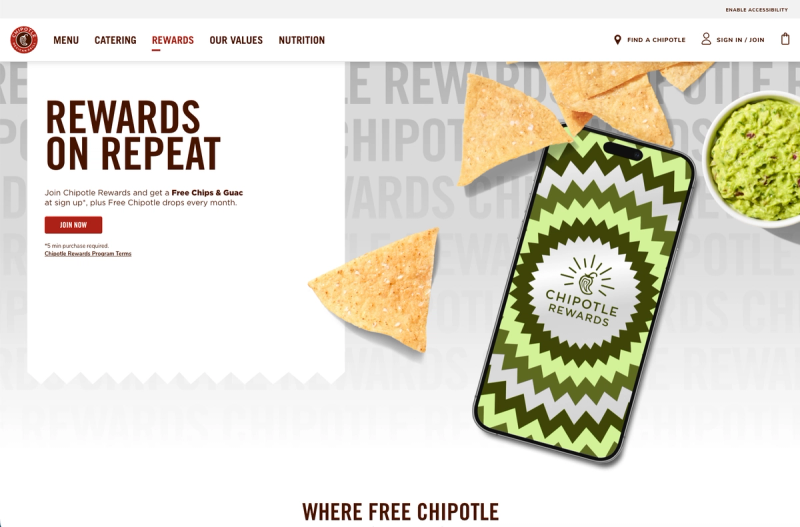
Program Type: Points & Gamified with Targeted Offers
Chipotle's program is elegantly simple: earn points on food purchases, redeem for free items. But the gamification layer—"free food drops" (surprise rewards that appear randomly for app members), limited-time challenges, and personalized offers based on purchase history—keeps engagement high.
The digital-first approach matters. Customers engage through the app, which drives store visits and increases data collection. Chipotle uses that data to personalize offers, making the program feel tailored rather than generic.
Why It Works: Simplicity combined with surprise and personalization. Customers understand the core mechanic instantly. The surprise element (free food drops) creates excitement. The personalization makes every customer feel recognized.
Key Takeaway: Simple earning rules combined with personalized and gamified elements drive massive engagement. Clarity in mechanics. Surprise in rewards. Data in personalization.
“Mage Loyalty is hands-down the best loyalty platform on Shopify, and the team behind it is just as exceptional as the product. When we needed customizations specific to our business, the Mage team worked directly with us to make it happen. And the wishlist feature deserves its own callout: it's the best we've come across, period. Beautifully integrated, intuitive for customers, and a real driver for our store.”

Read the MiaDonna case study →
Beyond Rewards: Strategies for Maximizing Loyalty Program Impact
Seamless Integration and User Experience
Most loyalty programs fail quietly. Customers sign up, earn points, and never redeem them. The culprit? Friction. Confusion. Forgetting the program exists.
The best programs are frictionless. Integration across all touchpoints—website, mobile app, email, in-store—means customers encounter the program naturally during their buying journey. Points appear automatically. Redemption takes two clicks. Personalized email reminders show accumulated balances.
This is where platform matters. A diverse loyalty program models design that integrates with your Shopify store, connects to your email platform, and works across POS systems removes friction at every stage.
Attracting New Customers with Loyalty Offers
Here's a lesser-known strategy: loyalty programs acquire customers as effectively as they retain them. Sign-up bonuses convert browsers to members. First-purchase point multipliers incentivize that critical first transaction. Research shows customers who opt into "instant cash" or immediate reward programs spend 68% more in the next two weeks than those receiving delayed rewards.
The psychology: immediate gratification hooks people. Delayed rewards feel abstract.
New customer acquisition through loyalty works because you're removing risk. A first-time buyer hesitates because they don't know if they'll like your products. A sign-up bonus or first-purchase incentive removes that risk. Once they experience your brand and see points accumulating, they're invested.
Personalization and Data-Driven Insights
The best loyalty programs feel personal because they are. Every customer receives different offers based on their purchase history, preferences, and behavior patterns. A customer who buys skincare monthly might receive bonus points on new skincare launches. A customer who buys winter gear seasonally receives early access when that season approaches.
AI and machine learning enable this personalization at scale. Platforms can predict what products a customer will buy, when they'll buy them, and what offer will push them to buy sooner or spend more. The program evolves in real-time rather than following static rules.
Overcoming Common Loyalty Program Challenges
Lack of perceived value: The most common failure point. Rewards feel too difficult to earn or too low-value to redeem. Solution: audit your point structure. Ensure points feel achievable and rewards feel desirable. A customer should reach a redemption milestone within 3-6 months of moderate engagement.
Complexity: Customers avoid programs they don't understand. Complex point calculations, multiple tiers with unclear progression, or confusing redemption options create friction. Solution: simplicity. One straightforward earning rule. Clear tier progression. Easy redemption.
Poor communication: Many customers forget they're enrolled. Solution: systematic email and in-app notifications. Celebrate milestones. Remind customers of accumulated points. Announce new rewards or tier benefits.
Stale program structure: Rewards that made sense in year one might not excite customers in year three. Solution: regularly audit performance. Refresh rewards. Add new tiers. Test new mechanics like challenges or seasonal bonuses.
Measuring Success and Iterating
Track these metrics religiously:
Enrollment rate shows awareness and appeal. Low enrollment means your program isn't visible or compelling enough.
Engagement rate (what percentage of enrolled members actively earn points) matters more than enrollment. High enrollment with low engagement means poor design.
Redemption rate shows whether rewards actually excite customers. Below 50% suggests misaligned rewards.
Incremental revenue growth from program members versus non-members. This is your north star. Are loyal customers actually spending more?
Customer retention rate among members versus non-members. Loyalty programs should demonstrably improve retention.
Customer lifetime value (CLV) should increase for top-tier members. If it doesn't, your program isn't working.
Review these metrics monthly. Adjust rewards, earning rules, or communication based on what the data reveals. The best loyalty programs evolve constantly, never stagnating.
Elevate Your E-commerce Strategy with Creative Loyalty Cards
The brands that dominate through loyalty don't follow templates. Sephora didn't copy Amazon. Nike didn't copy Starbucks. Each designed a program around their specific customers, brand values, and business goals.
Your loyalty program should feel custom-built for your brand. That means analyzing your customer base honestly. What motivates them? What experiences would deepen their connection to your brand? What behavior actually drives your business growth?
Then design around that. Skip the generic point structures. Build something with personality. Something your customers will actually want to participate in.
But the vision itself has to be yours—grounded in understanding your customers and aligned with your brand.
The competitive advantage belongs to brands willing to think creatively about loyalty. The future isn't one-size-fits-all programs. It's personalized, values-aligned, experience-driven loyalty that feels less like a transaction and more like belonging.
Frequently Asked Questions
What is the difference between a loyalty card and a loyalty program?
A loyalty program is the overarching strategy—the rules, benefits, and mechanics. A loyalty card (physical or digital) is the tool used to track participation and reward engagement. Think of the program as the architecture and the card as the interface. Modern loyalty programs typically operate digitally through apps or customer accounts rather than physical cards, though the terminology persists. The card is just the mechanism; the program is the entire system.
How long does it take to see ROI from a loyalty program?
Immediate benefits come fast—increased average order value (AOV) from customers consciously buying to reach rewards, higher email engagement from loyalty messages. But meaningful ROI typically develops over 3-6 months as retention improves and customer lifetime value increases. 90% of companies with loyalty programs report a positive ROI, though the timeline varies by industry. Patience matters. Programs compound over time as more customers enroll and repeat purchase behavior kicks in.
Can small e-commerce businesses benefit from loyalty programs?
Absolutely. Loyalty programs are scalable by design. A small store with 500 customers can see immediate impact from a simple points-based program costing under $50/month. Smaller businesses often see better ROI than large ones because retention improvements hit harder at smaller scale. Start simple—earn points on purchases, redeem for discounts—then expand as you grow. The best time to launch is when you have a repeatable product and recognizable customers.
What are common pitfalls to avoid when creating a loyalty program?
Over-complication kills engagement. If customers can't easily understand how to earn points or what rewards are worth, they'll abandon the program. Over-rewarding creates margin erosion without improving loyalty. You want loyal customers, not customers chasing points. Poor communication means nobody knows the program exists. Misaligned rewards (discounts when customers want experiences, or vice versa) waste budget. Finally, launching and forgetting—treating it as a one-time setup rather than a living system that requires ongoing optimization—wastes your investment.
TLDR
Loyalty programs work because they change customer behavior—but only when designed around psychology rather than discounts. The most effective programs (Sephora, Amazon Prime, Nike, Chipotle) succeed by combining clear earning mechanics with meaningful rewards that reflect customer values. Common models include tiered systems, points-based structures, paid subscriptions, and gamified mechanics. Success requires seamless integration across touchpoints, personalized rewards, and continuous measurement against metrics like retention rate, incremental revenue, and customer lifetime value. Start simple, measure ruthlessly, and evolve the program based on what actually drives your business.

Graeme is the co-founder at Mage Loyalty. He heads product development, from complex loyalty migrations and large-scale data handling to building the features shaping the future of loyalty on Shopify.