Here's something most ecommerce brands won't admit: they're losing more money to price increases than tariffs themselves.
Sound counterintuitive? Hear me out. When import costs spike 15-25%, most businesses panic and immediately raise prices across the board. But the real profit killer isn't the tariff. It's the customers who leave because they never understood why their favorite product suddenly costs more.
That's where repeat customers become your secret weapon.
Economic headwinds are brutal for ecommerce. Rising tariffs create cascading problems: stretched supply chains, thinner margins, angry shoppers. But here's what separates brands that survive from those that don't—a core group of customers who actually stick around despite price increases.
This guide will show you exactly how to build that resilient customer base. We're not talking about complex loyalty mechanics or unrealistic growth targets. We're talking about practical, step-by-step strategies that protect your business when external forces push prices higher and customer patience thinner.
Understanding the Tariff Tangle: How Economic Policies Reshape Your Business Landscape
Tariffs aren't abstract policy. They're a direct hit to your wallet.
When the U.S. applies a 25% tariff on imported goods, that cost doesn't disappear. It gets absorbed somewhere. Some brands absorb it into margins (goodbye, profitability). Most pass it to customers (goodbye, happy shoppers). The math is ugly either way.
Here's what I've seen working with ecommerce teams over the past two years: a 10-15% tariff impact typically translates to a 5-8% price increase for consumers. That small gap between your actual cost and the price customers see? That's where communication breaks down.
But tariffs create more than just pricing pressure. Supply chains fracture. A brand relying heavily on China-manufactured goods suddenly faces 12-week lead times instead of 6. Inventory runs thin. Delivery promises slip. Customer frustration compounds, and the loyalty you thought you had evaporates.
The uneven playing field is real too. A mid-market apparel brand with manufacturing in Vietnam, Mexico, and domestic facilities weathers tariff changes better than one sourcing everything from a single region. Diversification costs more upfront, but it's insurance you'll wish you had when tariffs spike.
Marketing budgets shrink during these periods. That's the third hit. When operational costs climb and margins compress, the budget that kept your brand visible suddenly gets cut. You can't spend the same on paid ads. You can't maintain the same email frequency. The brand becomes less visible precisely when you need it most.
The result: increased customer acquisition costs just when your budget shrinks. This is why existing customers become gold.
The Shifting Sands of Consumer Behavior: What Tariffs Do to Shopper Loyalty
Here's a myth that needs breaking: loyal customers stay loyal when prices rise.
Wrong. They stay loyal when they understand the prices rose and still see value. The moment that connection breaks, so does loyalty.
More than 60% of consumers are unsure how tariffs affect pricing. That's the core problem. Shoppers see their price spike but don't know why. They assume greed. They assume you're profiteering. Trust erodes fast.
When prices climb, consumer behavior shifts in predictable patterns. At a 5% increase, shoppers start seeking promotions more aggressively. They compare alternatives. At 10%, real switching begins. Private labels suddenly look appealing. At 20%—especially for non-essentials—purchases stop entirely.
I worked with a sustainable home goods brand last year dealing with exactly this. They'd absorbed tariff costs for six months. Margins were bleeding. When they finally raised prices 12%, they didn't explain it. Customer retention dropped from their usual 38% to 22% within 60 days. One email—one transparent message about tariff impacts—recovered about half that loss within the next quarter.
The psychological impact here matters more than merchants realize. Customers don't just price-shop. They feel a sense of betrayal when brands they trust suddenly cost more without explanation. The emotion is real, even if the rational understanding isn't there. A third of shoppers say price increases aren't communicated clearly enough. That's a communication gap you can close.
Brand switching accelerates under tariff pressure. Consumers actively hunt for cheaper alternatives. They gravitate toward private labels. Interest in "Made in the USA" products spikes—not because of patriotism, but because domestically-produced goods often face lower tariff exposure and sometimes lower prices as a result.
The data here is stark: roughly 48% of consumers actively seek discounts to offset price increases. About 41% have already switched to cheaper brands. 33% delay purchases outright. These aren't edge cases. This is mainstream consumer behavior shifting right now.
Why Repeat Customers Are Your Strongest Defense Against Tariff Headwinds
Let me be direct: in a tariff-driven economy, a repeat customer is worth roughly 5-7x more than a new customer acquired through paid ads.
This isn't poetic. It's math. New customer acquisition in 2025 costs between $30-$80 depending on your vertical. That money goes to ads, landing page optimization, conversion rate testing. A repeat customer? They already know your brand. The acquisition cost was paid years ago. The lifetime value compounds.
Effective customer retention strategies become your economic moat when tariffs tighten. A customer who's bought from you three times is 50% more likely to make a fourth purchase than a first-time buyer is to become a second-time buyer. The relationship compounds.
Repeat customers tolerate modest price increases better than strangers do. Not because they're charitable. Because they've already decided the value exchange works. A 7% price increase feels different to someone who's been buying from you for two years versus a new customer seeing it for the first time. The repeat customer has data. They know what your quality is, how long products last, how customer service responds when something goes wrong. They've invested in the relationship.
Here's the resilience piece that matters: a base of repeat customers creates stable revenue. During tariff uncertainty—when acquisition costs spike and conversion rates drop—your repeat purchase rate holds. That's your cash flow buffer. That's what keeps payroll steady when everything else shakes.
Brand advocacy is the fourth advantage. Repeat customers generate referrals. They leave reviews. They tag you on social media. When new customers land on your site and see that a real person—not your marketing team—loved the product, conversion rates jump 6-40% depending on context. That's free marketing. That's customer acquisition without the ad spend.
Repeat customers also provide data. They show you what products work, which segments spend most, when to launch promotions. That information lets you make smarter decisions during economic uncertainty. You're not guessing. You're responding to actual customer behavior.
The Shopify loyalty program growing brands trust
See how Mage helps Shopify brands lift repeat purchase rate with loyalty, referrals and store credit.
Book a demoStep-by-Step Guide: Building Unbreakable Loyalty in a Tariff-Driven Economy
Step 1: Master Transparent Communication and Empathy
Price increases sting less when customers understand them.
Start here: before you raise a single price, draft a clear, honest message explaining the tariff impact. Don't hide behind corporate speak. Say it plainly: "Tariffs on imported materials increased our costs by X%. We're adjusting prices by Y% to maintain quality and continue serving you well."
This message should go to your email list first. Three days before any price change takes effect, your most loyal customers deserve first warning. Follow with an FAQ on your website answering the specific questions your support team hears: "Will prices drop if tariffs drop?" (probably not immediately). "Are you raising prices elsewhere?" (be honest). "How does this affect my loyalty points?" (answer this specifically—it matters).
The tone matters enormously. You're not defending a decision. You're acknowledging a shared challenge. Brands that frame tariffs as something affecting everyone—including them—build empathy. Brands that hide the cause of price increases look like they're profiteering.
Beyond pricing, proactive supply chain communication prevents panic. If a product will be delayed, tell customers now. Don't surprise them at checkout. "This item ships in 10-14 days due to supply chain adjustments" is uncomfortable but honest. The surprise comes later when they expected it yesterday.
Your core value proposition isn't negotiable. During economic pressure, reiterate it constantly. What makes your product worth the price? Quality? Durability? Ethical sourcing? Design? Say it explicitly in every communication. Let customers know what they're paying for beyond the materials.
Step 2: Diversify and Optimize Your Supply Chain for Resilience
Single-source manufacturing is Russian roulette in a tariff environment.
Explore nearshoring and reshoring options. Vietnam and Mexico both present alternatives to China-heavy sourcing, with lower tariff exposure in many categories. Nearshoring costs more on a per-unit basis but eliminates tariff volatility and reduces lead times significantly.
Start conversations with your current suppliers about cost-sharing. Ford's supplier cost-sharing agreements during previous trade disputes showed that renegotiating terms—rather than accepting full tariff costs—can distribute pressure across the supply chain more fairly. Your suppliers have margin too. They can absorb some costs if the relationship is strong enough.
Inventory strategy shifts under tariff pressure. Instead of just-in-time manufacturing, consider building buffers on your best-selling items. The carrying cost is real, but so is the cost of stockouts. Lost sales due to unavailability can erode loyalty faster than any price increase.
Protect quality fiercely during cost-cutting. Electronics manufacturers learned this lesson hard—when tariff pressure pushed them to source cheaper components, quality tanked. Customers noticed. Loyalty evaporated. A $2 savings per unit isn't worth the customer lifetime value hit.
Step 3: Elevate Your Customer Loyalty Programs Beyond the Basics
This is where most brands fail. They treat loyalty programs like discount dispensers.
Stop. That approach is already dying, especially with Gen Z. Points-for-purchase loyalty feels transactional and outdated. Younger cohorts are moving past simple rewards mechanics. They want alignment with brand values. They want community. They want experiences that feel exclusive and authentic.
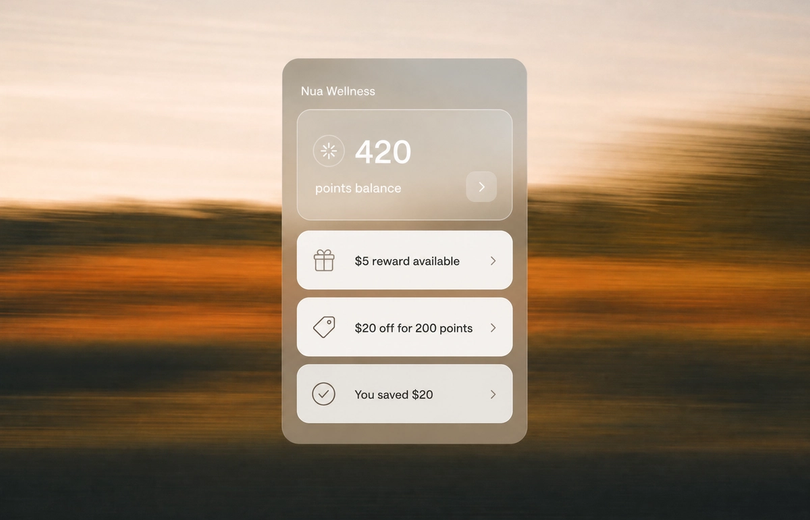
A modern loyalty program offers multiple ways to earn points beyond spending: referrals, reviews, social sharing, content creation. But more importantly, it offers multiple ways to redeem. A customer might use points for a discount, but they might prefer early access to a new product launch, exclusive event invitations, or sustainable packaging options. Flexibility signals that you understand different customers value different things.
VIP tiers create aspiration. When customers see a Gold tier with perks they don't yet have, they work toward it. Make each tier meaningful: Silver might offer free shipping at $75 thresholds. Gold adds birthday rewards and 15% off one item monthly. Platinum includes exclusive product previews and priority support. This works because it creates a clear progression.
Here's where values-based loyalty enters: highlight your commitment to ethical sourcing, sustainability, or social responsibility. If tariffs force you to shift suppliers, use that moment to upgrade your environmental standards or labor practices. Communicate it. Some customers will pay more for products aligned with their values. That's a loyalty bridge over price sensitivity.
Use what drives customer loyalty research to inform your program. Emotional connection matters more than points math. Build community: exclusive Facebook groups, monthly challenges, customer spotlights. When people feel part of something, they forgive price increases more readily.
Consider a complete loyalty program guide as you build. Modern loyalty programs are complex. They integrate with email platforms, SMS, POS systems, and social media. Understanding the full landscape prevents costly mistakes.
Step 4: Smart Pricing and Promotions to Retain Value Perception
Creative pricing softens tariff impacts without eroding margins further.
Product bundling works. Bundle a price-sensitive item with a higher-margin item, price the bundle slightly below the sum, and customers see value even though prices rose. This works especially well in beauty (bundle serum with moisturizer), apparel (bundle basics with premium pieces), and home goods.
Tiered pricing is underused. Instead of raising prices uniformly, raise prices on premium versions more aggressively. Keep entry-level products closer to original pricing. Customers who are price-sensitive stick with entry-level. Customers willing to pay more for premium features absorb larger increases. It segments your market more naturally than blanket price hikes.
Value-added services replace discounts. Free samples with orders. Free returns extended to 60 days. Complimentary styling consultation. These cost you less than 10% off but feel like premium benefits. Customers perceive more value without margin destruction.
Data-driven promotions matter. You have purchase history on every customer. Use it. Don't blast 20% off to everyone. Send 15% off to segment A (price-sensitive, lower lifetime value), and free shipping to segment B (higher lifetime value, less price-sensitive). Personalization maintains margins while addressing different customer needs.
Clear promotional signage works. 61% of shoppers report feeling reassured by clear promotional signage. When customers see that prices increased due to tariffs—and that you're offering targeted discounts to offset—they feel you're being fair. Transparency builds trust.
Step 5: Leverage Technology: Shopify & E-commerce Specific Solutions
Your tech stack is the engine of modern loyalty.
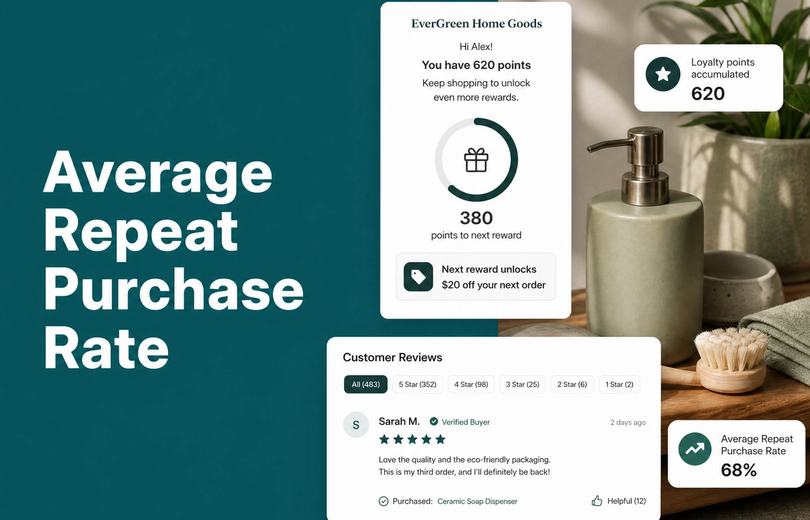
Leading Shopify loyalty apps handle point allocation, tier tracking, and redemption processing automatically. They integrate with your store so loyalty rewards appear at checkout, not buried in an admin panel.
Analytics matter more during uncertainty. Your Shopify dashboard and loyalty app analytics show you which customers are at risk, which segments are most profitable, and where retention is slipping. Use this data. If a normally strong segment shows declining repeat purchase rates, that's a signal to send them a specific offer or check in directly.
Automation is non-negotiable. Set up email sequences: welcome new members to the program, remind people about unspent points before they expire, celebrate tier upgrades, offer bonus points on customer birthdays. This runs in the background while you focus on product and supply chain.
Integration with email platforms (Klaviyo, Omnisend) and SMS (Postscript, Judge.me) amplifies loyalty. When a customer earns points, they should know immediately. When they're close to a tier upgrade, remind them. When they have unspent rewards expiring, nudge them toward redemption. Each touchpoint reinforces the loyalty relationship.
Use loyalty data to recover from customer service failures. When a customer receives a damaged product or late shipment, automatically award bonus points. It doesn't fix the problem, but it shows you value the relationship despite the mistake. Recovery built into systems feels less patronizing than a one-off apology.
Step 6: Maintain Consistent Marketing & Brand Storytelling
Marketing investment drops sharply during economic pressure. Don't do this.
Procter & Gamble and Coca-Cola both increased marketing spend during the 2008 recession and COVID-19 pandemic. Why? Because everyone else was cutting. They captured market share while competitors disappeared. The same principle applies to tariff pressures.
Your marketing should constantly justify value, not discount price. Every email, social post, and ad should reinforce what makes your product worth the price. Quality narrative. Durability. Design. Community. Make the story so compelling that price becomes a secondary consideration.
User-generated content is free marketing. Encourage customers to share photos, tag your brand, write reviews. These authentic testimonials build trust better than professional content. Incentivize it within your loyalty program—points for reviews, bonus points for photos, extra points for video testimonials.
Referral programs embedded in loyalty create compound growth. Reward customers who refer friends. Reward their referred friends for joining. Both parties benefit. This is word-of-mouth on steroids, and it happens when acquisition costs are highest and budgets are tightest.
Tell your story consistently. Why do you exist beyond profit? What problem do you solve? How are you responding to tariff challenges? These narratives humanize your brand and build emotional loyalty that survives price increases.
“I looked into so many different integrations for loyalty and referrals for our Shopify Store, but no one impressed me more than Mage on human connection, customer service, and value.”


Read the Reelie case study →
Beyond the Immediate: Cultivating Long-Term Loyalty Resilience
Tariffs will eventually normalize. But the customer habits they're forming right now will last.
Build financial buffers now. Set aside cash reserves to weather unexpected tariff escalations without immediately cutting marketing or raising prices. This gives you flexibility to respond to tariff changes strategically rather than reactively.
Continuous innovation keeps products fresh. Adapt product lines to reflect supply chain realities. Simplify components where possible. Shift to more sustainable materials where tariff changes opened that door. Communicate these changes as improvements, not cost-cutting. Often they genuinely are better.
Create a company culture around customer-centricity. When tariff pressures hit, every team—product, operations, marketing, support—should be aligned on protecting customer experience first. This shared mission prevents siloed decisions that undermine loyalty.
Long-term loyalty resilience isn't built during crises. It's built during calm periods. The relationships, brand trust, and systems you establish now will determine how well you weather the next economic shock.
Your Loyal Customers—The Ultimate Tariff Hedge
Tariffs are a fact. Supply chain disruption is a fact. Price increases are unavoidable.
But customer loyalty isn't inevitable. It's a choice you make through transparent communication, smart programs, and consistent value delivery. Repeat customers are your economic moat during uncertainty. They provide stable revenue, higher lifetime value, and organic growth through advocacy.
The brands that thrive during tariff pressures aren't the ones that cut budgets or hide price increases. They're the ones that strengthen their core customer relationships, diversify their supply chains, and invest in loyalty systems that matter.
Start with one step: a transparent email explaining tariff impacts and your response. Then build from there. Diversify sourcing. Enhance your loyalty program. Use data to personalize offers. Maintain marketing consistency. The work compounds.
Your repeat customers are already your greatest asset. Now it's time to prove you deserve their loyalty.
Frequently Asked Questions
How do tariffs directly affect my ecommerce profit margins?
Tariffs increase import costs, which you either absorb or pass to customers. A 15-25% tariff on imported goods typically translates to a 5-8% price increase for consumers. If you absorb costs, margins compress immediately. If you raise prices, you risk losing price-sensitive customers. The real damage comes from losing repeat customers who don't understand the price increase and interpret it as profiteering. Transparent communication can recover about 50% of the retention loss that otherwise occurs.
What's the most effective way to communicate price increases without alienating loyal customers?
Lead with honesty and empathy. Explain the tariff impact plainly in an email to your list three days before the change. Provide an FAQ addressing common questions. Frame the increase as shared challenge ("tariffs affect everyone, including us") rather than a decision you made. Offer targeted solutions: personalized discounts for price-sensitive segments, value-add services (free shipping, extended returns) for others. Data shows that transparent communication recovers customer retention by 30-50% compared to silent price increases.
Are points-based loyalty programs still effective during inflation and tariff pressure?
Points-based programs work, but they're losing effectiveness with Gen Z and younger cohorts who prioritize values alignment and authentic experiences over transactional rewards. Modern loyalty should combine points with VIP tiers, community building, sustainability benefits, and exclusive experiences. Simple points-for-purchase models feel outdated. Mix earning mechanisms (referrals, reviews, social sharing, content creation) with flexible redemption options (discounts, early access, experiences, sustainability choices). This addresses different customer motivations and builds emotional loyalty that transcends price sensitivity.
How can small Shopify stores compete during tariff impacts when they lack supply chain diversification?
Small stores can't immediately diversify manufacturing, but they can dominate customer loyalty. With limited marketing budgets, focus entirely on repeat customer retention and referral growth. Use flexible loyalty program options to personalize offers and build community. Automate loyalty operations with Shopify apps so you're not spending personnel hours on manual processes. Emphasize storytelling and values alignment—small brands have authenticity advantage over large competitors. Invest in SEO and organic channels (reviews, user-generated content) for free customer acquisition. Tariff pressure hurts big brands' margins too; use that to your advantage by maintaining premium service and communication.
TLDR
Tariffs increase import costs and force price increases that destabilize customer loyalty. The solution isn't cheaper sourcing—it's a resilient customer base that understands your value and trusts your decisions. Transparent communication about tariff impacts, diversified supply chains, modern loyalty programs (beyond simple points), smart pricing strategies, and consistent marketing investment create the economic moat that protects margins and revenue during economic shocks. A repeat customer is worth 5-7x more than a new acquisition in a tariff environment.

Graeme is the co-founder at Mage Loyalty. He heads product development, from complex loyalty migrations and large-scale data handling to building the features shaping the future of loyalty on Shopify.