Values-Based Loyalty Programs For Eco-Friendly Kids Brands: Build Customer Loyalty With Purpose-Driven Rewards

Most eco-friendly kids brands believe that values-based loyalty programs are a nice-to-have marketing addition. They're not. The reality is starkly different: conscious parents will spend 1.5x more and repurchase 3x more frequently when a brand aligns with their sustainability values. Yet too many sustainable brands treat green loyalty like an optional brand flourish instead of a core growth strategy.
The myth persists because implementation seems complex. Recycling programs, donation rewards, eco-credits—they sound complicated and risky. What if customers don't participate? What if the logistics overwhelm your team? These concerns are valid but ultimately misguided. The brands capturing loyal, high-value customers in the kids' space aren't the ones with the cheapest discounts. They're the ones speaking directly to parental values.
This guide reveals how to build authentic values-based loyalty that drives real business results. You'll discover exactly how to structure recycling programs, donation initiatives, and eco-credit systems that resonate with conscious parents while measurably increasing customer lifetime value on your Shopify store.
What Are Values-Based Loyalty Programs for Eco-Friendly Kids Brands?
A values-based loyalty program rewards customers for behavior that extends far beyond spending money. Instead of earning points purely from purchases, customers accumulate rewards for actions aligned with sustainability, community impact, and responsible consumption. For eco-friendly kids brands, this means incentivizing recycling, donations, and conscious choices that reflect a parent's commitment to the planet.
The fundamental shift here deserves emphasis. Traditional loyalty asks: "How much did you spend?" Values-based loyalty asks: "How did you make a difference?" This distinction matters enormously for attracting and retaining parents who've chosen eco-friendly brands specifically because of their values.
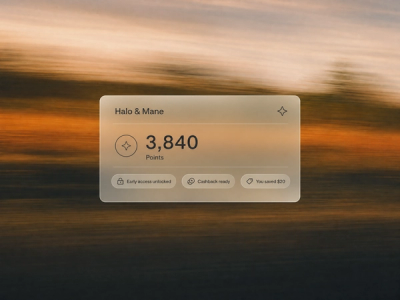
Think of it like a digital garden. Every time a parent returns an outgrown piece of clothing for recycling, participates in a donation initiative, or chooses minimal packaging, they're planting seeds in their loyalty account. They watch their garden grow alongside the brand's collective environmental impact. Both the customer and the company benefit from shared progress toward a mission bigger than transactions.
For kids' brands specifically, this becomes even more potent. Parents aren't just buying products for themselves. They're teaching their children about consumption, environmental responsibility, and the connection between choices and consequences. A loyalty program built on these values transforms a simple purchase into a teaching moment and reinforces why the parent chose that brand in the first place.
Why Values-Based Rewards Resonate with Conscious Parents
The market shift toward conscious consumerism is no longer a niche trend. Over 60% of consumers now link loyalty directly to a brand's environmental and ethical actions. For parents shopping for kids' products, this percentage runs even higher. These aren't abstract principles anymore—they're deciding factors in purchase decisions.
Millennials and Gen Z, now the primary demographic purchasing kids' products, grew up with environmental awareness. They expect brands to reflect their values, not just sell products. But here's the part that actually surprises most brands: their children are amplifying this demand. Nearly 9 in 10 parents report that their kids actively influence purchasing decisions. Kids ask why something is made, where it comes from, and what happens to it after use. A values-based loyalty program becomes a tool for answering those questions in tangible, rewarding ways.
The emotional impact distinguishes these programs from transactional alternatives. A 15% discount feels generic. It could apply to any brand. But a program that rewards you for returning your child's outgrown clothes, plants a tree with your points, or educates your family about sustainable practices? That feels personal. It acknowledges who you are as a parent and what you care about.
This emotional connection drives measurable business outcomes. Loyalty program members spend 1.5x more than non-members and show a 3x higher repeat purchase rate. When those members are also emotionally invested in your brand's mission, those numbers often exceed industry benchmarks. You're not just gaining repeat customers—you're gaining advocates who voluntarily recommend your brand to other conscious parents.
Market differentiation becomes almost automatic. In the crowded kids' product space, sustainable brands compete heavily on quality and price. A values-based loyalty program fundamentally changes the competitive equation. You're no longer competing on those factors alone. You're competing on shared mission, community, and impact. Most competitors aren't even playing that game.
The business benefits accumulate quickly. Increased repeat purchase rates directly improve customer lifetime value. Higher average order values follow when customers feel emotionally connected to your mission. Acquisition costs drop because advocates naturally refer friends. And brand reputation strengthens—conscious parents become your most effective marketing channel.
The Mechanics of Sustainable Loyalty: Recycling, Donations, and Eco-Credits
Values-based loyalty programs for eco-friendly kids brands rest on three core mechanics, each addressing different aspects of sustainable consumption and environmental responsibility.
Recycling and Take-Back Programs: Closing the Loop
Recycling programs reward customers for returning used or outgrown items, extending product lifecycles and keeping materials out of landfills. For kids' brands, this proves especially powerful because children outgrow clothing and toys rapidly. Instead of treating this natural cycle as waste, smart brands transform it into a loyalty opportunity.
Modern Day Baby demonstrates this effectively. The brand offers cash or store credit for returning "preloved" eco-friendly kids' clothing. Parents get rewarded for items their children have outgrown. The brand recovers quality materials for resale or recycling. Everyone wins. Similarly, Piglo Kids partners with circular fashion platforms to rehome outgrown clothing, offering loyalty rewards for each return. Parents feel good about extending product life. The brand builds deeper relationships through repeated touchpoints.
Think of these programs as closed-loop playgrounds. Toys and clothes enter the system, serve their purpose, then find new purpose through resale, upcycling, or responsible recycling. Nothing leaves the ecosystem as waste. Customers watching this happen begin to see your brand differently—not as a transaction point but as a steward of their family's consumption.
Implementation requires clear processes. Make returns easy. Provide prepaid shipping labels. Set transparent guidelines about what you'll accept and why. Most importantly, communicate the impact. Tell customers where their returned items go. Show them the collective weight of items recycled. Transparency builds trust, and trust converts one-time returns into ongoing participation.
Donation and Give-Back Initiatives: Collective Impact
Donation-based rewards allow customers to trigger brand contributions to environmental causes and charities, or donate points accumulated in your program. This mechanism acknowledges that parents want their loyalty to matter beyond their household.
Tentree exemplifies this beautifully. The brand plants ten trees for every item purchased. Customers see a real-time "Impact Wallet" showing their personal contribution to reforestation. This transparency transforms abstract environmental goals into concrete outcomes customers can track and celebrate. Each purchase becomes a legacy-building action.
Other approaches work equally well. Some brands donate a percentage of revenue from loyalty program participation to environmental nonprofits. Others reward customers for donating used kids' items to charity, offering store credit as thanks. The Honest Company and brands like Mini Mioche have built loyalty by explicitly dedicating portions of proceeds to social impact initiatives.
The critical element: partner with reputable organizations and communicate outcomes transparently. Parents will research any charity you claim to support. Vague promises destroy trust. Specific partnerships, clear metrics, and regular impact reports build powerful loyalty.
Eco-Credits: Rewarding Conscious Choices Beyond Purchases
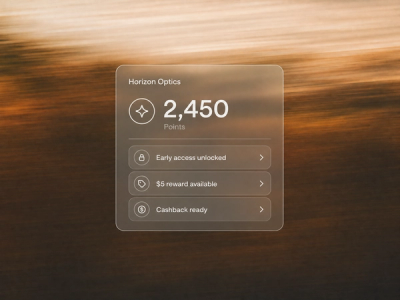
Eco-credits represent the frontier of values-based loyalty for kids' brands. These points or credits reward specific eco-conscious behaviors directly tied to parenting and consumption patterns—actions that extend far beyond traditional purchase transactions.
Consider the opportunities here. Parents can earn eco-credits for choosing minimal or plastic-free packaging options at checkout. They receive bonus points for selecting slower, greener shipping methods. They accumulate credits for participating in sustainability workshops or educational content your brand provides. Some programs reward parents for sharing tips on extending product life—how to care for organic cotton clothing, repair children's toys, or prepare items for hand-me-downs.
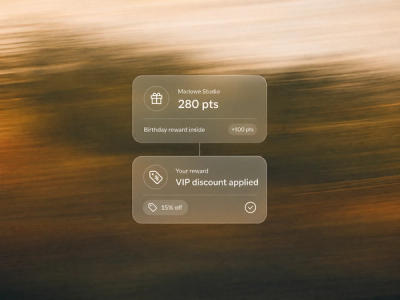
These mechanisms do something powerful psychologically. They transform parental choices into rewarded behavior. A parent selecting plastic-free packaging might feel like a small sacrifice in isolation. But when that choice generates visible points in their loyalty account, it becomes a concrete contribution. The brand validates their effort.
Implementation requires creative structures. Determine point values for different actions based on their environmental impact and effort required. Ensure redemption paths are clear—customers should know exactly what their eco-credits can buy. Some brands offer exclusive "eco-rewards" available only through green behavior points, creating tangible differentiation.
The analogy that fits here involves green tokens. Imagine every conscious choice generates a token that customers accumulate in their personal vault. They watch the vault grow alongside their commitment to sustainability. The program makes invisible values visible, which fundamentally changes engagement.
Implementing Your Eco-Friendly Loyalty Program on Shopify
Choosing the Right Shopify Loyalty App
Success begins with selecting a platform that supports values-based rewards, not just transaction tracking. Best Shopify loyalty apps like LoyaltyLion, Rivo, Yotpo Loyalty & Referrals, Smile.io, and Growave each offer different strengths. Your selection depends on which features matter most for your specific eco-loyalty vision.
Look for several critical capabilities. The app must support custom earning rules beyond purchase-based points—you need flexibility to reward recycling returns, donation participation, and eco-behavior choices. Integration with your email marketing platform (Klaviyo, Omnisend) matters because you'll need to communicate program participation and impact regularly. Tiered program capabilities allow you to create progression paths that motivate sustained engagement. And the interface should feel intuitive for both you and your customers.
Many apps offer free plans for testing, which lets you evaluate how well they match your brand before committing financially. Invest time in exploration here. A platform misaligned with your values-based approach will eventually feel like a constraint rather than an enabler.
Overcoming Unique Challenges for Kids Brands
Kids' brands face distinct implementation challenges that mainstream loyalty programs rarely address. Children outgrow clothing and toys at predictable, rapid rates. This creates natural cycles of disposal that, handled poorly, undermine your sustainability message. Your product categories span different lifecycles—durable goods like wooden toys last years while clothing might fit for months. Educating parents about sustainability requires age-appropriate, accessible language without sounding preachy.
Address rapid outgrowing by structuring take-back programs around the natural lifecycle. Offer rewards for returns timed to growth milestones. Partner with resale platforms or hand-me-down networks so parents can rehome items outside your system while still earning loyalty credit. Some brands create "pass-along" rewards, giving bonus points when customers provide evidence they've shared outgrown items with friends.
For diverse product categories, develop category-specific earning rules. Durable goods might support recycling-based rewards. Consumables could drive eco-credit points for minimal-waste packaging choices. Clothing rewards take-back programs aggressively. The key is acknowledging that not every product can be recycled back to your brand, so create multiple pathways to earn and feel valued.
Education happens through strategic communication. Use your loyalty program dashboard to tell impact stories. Share customer testimonials about how your program changed their consumption habits. Highlight the environmental metrics: "Together, our members have recycled 50,000 pieces of clothing this year." Kids' brands thrive when they help parents feel like better stewards.
How baby and kids brands keep parents coming back as children grow explores this customer lifecycle challenge in depth, offering additional strategies for retention as family needs evolve.
Measuring Success and ROI of Green Loyalty
Beyond standard loyalty metrics, eco-loyalty requires different measurement frameworks. Yes, track repeat purchase rates and average order value—these fundamentals still matter. But add sustainability-specific metrics that connect green behavior to business outcomes.
Count items recycled through your take-back program. Monitor donation participation and amounts contributed. Track eco-credit activity. Measure customer sentiment around your environmental mission through surveys and brand sentiment analysis. Calculate the percentage of loyalty members engaging in at least one eco-behavior monthly.
These metrics then connect to business impact. How to increase customer CLTV shows how values-based loyalty drives measurable lifetime value increases. Customers actively participating in eco-rewards programs consistently show 25-40% higher lifetime value than transactional-only members. They repurchase more frequently, spend more per order, and refer more reliably.
ROI calculation should include brand reputation value. A parent who becomes an advocate through your loyalty program generates word-of-mouth value you'd otherwise need to acquire through paid advertising. Organic referrals from values-aligned customers typically show 2-3x higher quality than paid acquisition. Factor this into your ROI analysis.
Educating and Engaging Your Community
Transparency about your mission and impact drives engagement. Clearly articulate why you built your loyalty program around sustainability. Share your environmental goals explicitly. Explain how customer participation directly advances those goals.
Storytelling accelerates this connection. Rather than generic impact reports, share specific stories. Feature customers who've become ambassadors. Show photos of items returned for recycling being transformed into new products. Highlight the specific nonprofits your donations support and their recent accomplishments. Make impact visceral and real.
Gamification adds engagement layers without losing authenticity. Create achievement badges for milestones—"Recycled 5 Items," "Advocated for 10 Friends," "Educated Child About Sustainability." These feel intrinsic rather than manipulative because they celebrate genuine behavior aligned with real values.
Consider offering segmented rewards for different engagement levels. New parents might earn through "Eco-Explorer" tier rewards focused on education and small-scale actions. Highly engaged customers progress to "Sustainability Champion" status with exclusive benefits and decision-making input on which causes your brand supports. This creates natural progression paths that respect different commitment levels.
Implementing Your Eco-Friendly Loyalty Program on Shopify
Launch kids loyalty program guides you through the practical setup process on Shopify specifically, including platform selection and configuration steps.
Real-world examples demonstrate these principles in action. Kids brand loyalty examples showcase successful implementations within the kids' niche, showing how brands have adapted values-based approaches for their specific audiences and product categories.
Key Takeaways: Building a Future-Proof Brand
Values-based loyalty for eco-friendly kids brands represents far more than a marketing tactic. It's a strategic framework for building unshakeable customer relationships in an increasingly conscious market.
The mechanics are clear: recycling programs close consumption loops, donation initiatives create collective impact, and eco-credits validate sustainable choices. The benefits compound: deeper emotional loyalty, strong differentiation, measurable business growth, and a tangible contribution to environmental responsibility.
Conscious parents shopping for kids' products aren't looking for another discount program. They're seeking brands that mirror their values and reinforce the parenting choices they've already made. A well-designed values-based loyalty program becomes the bridge connecting those intentions to action. It transforms brand transactions into mission participation.
For Shopify merchants in the eco-friendly kids' space, this isn't a nice-to-have initiative. It's essential infrastructure for capturing and retaining your ideal customer segment. The question isn't whether to implement values-based loyalty—it's how quickly you can launch.
Sustainable loyalty strategies offers deeper guidance on building values-aligned programs that generate revenue without relying on constant discounting.
Frequently Asked Questions
Is it expensive to set up an eco-friendly loyalty program?
No, not with modern Shopify apps. Many platforms like Smile.io and Growave offer free plans that let you test values-based loyalty structures before spending money. As you scale, premium plans typically start around $50-100 monthly and grow with your business. The ROI from increased repeat purchases and higher customer lifetime value typically justifies costs within 3-4 months.
How do I track the environmental impact of my loyalty program?
Start by measuring concrete outputs: number of items recycled, weight of materials recovered, trees planted through donation partnerships, and charitable dollars contributed. Use a simple spreadsheet or your loyalty app's built-in analytics dashboard. Communicate these metrics regularly to customers—transparency builds trust. For deeper analysis, partner with environmental consultants who can quantify carbon impact and lifecycle assessments.
What if my kids' brand doesn't have products that can be easily recycled through a take-back program?
Not every product category suits recycling programs, and that's fine. Shift focus to eco-credit systems and donation initiatives. Reward customers for choosing minimal packaging, selecting slower shipping, or participating in education about sustainable consumption. Create take-back programs for items that do work—even partial programs add credibility. You might also partner with general textile or toy recycling services, offering loyalty rewards for customers who submit proof of recycling through those channels.
Can values-based loyalty programs really drive sales for small Shopify brands?
Absolutely. In fact, small brands often see stronger results than larger competitors because values-based loyalty creates community at smaller scale. When a small eco-friendly kids' brand's loyalty members feel like part of a mission-driven community, engagement and repeat purchase rates typically exceed industry benchmarks by 30-50%. The key is authenticity—your values must be genuine, not performative. Conscious parents detect inauthenticity immediately.
TLDR
Eco-friendly kids brands can build unshakeable loyalty by rewarding customers for sustainable actions rather than just spending money. Research shows over 60% of consumers link loyalty to environmental commitment, with loyalty members spending 1.5x more and repurchasing 3x more frequently. Values-based programs using recycling rewards, donation initiatives, and eco-credits create emotional connections that drive both customer lifetime value and authentic brand differentiation in the competitive kids' market.