Family Brand Loyalty: How Community and Trust Drive Customer Retention

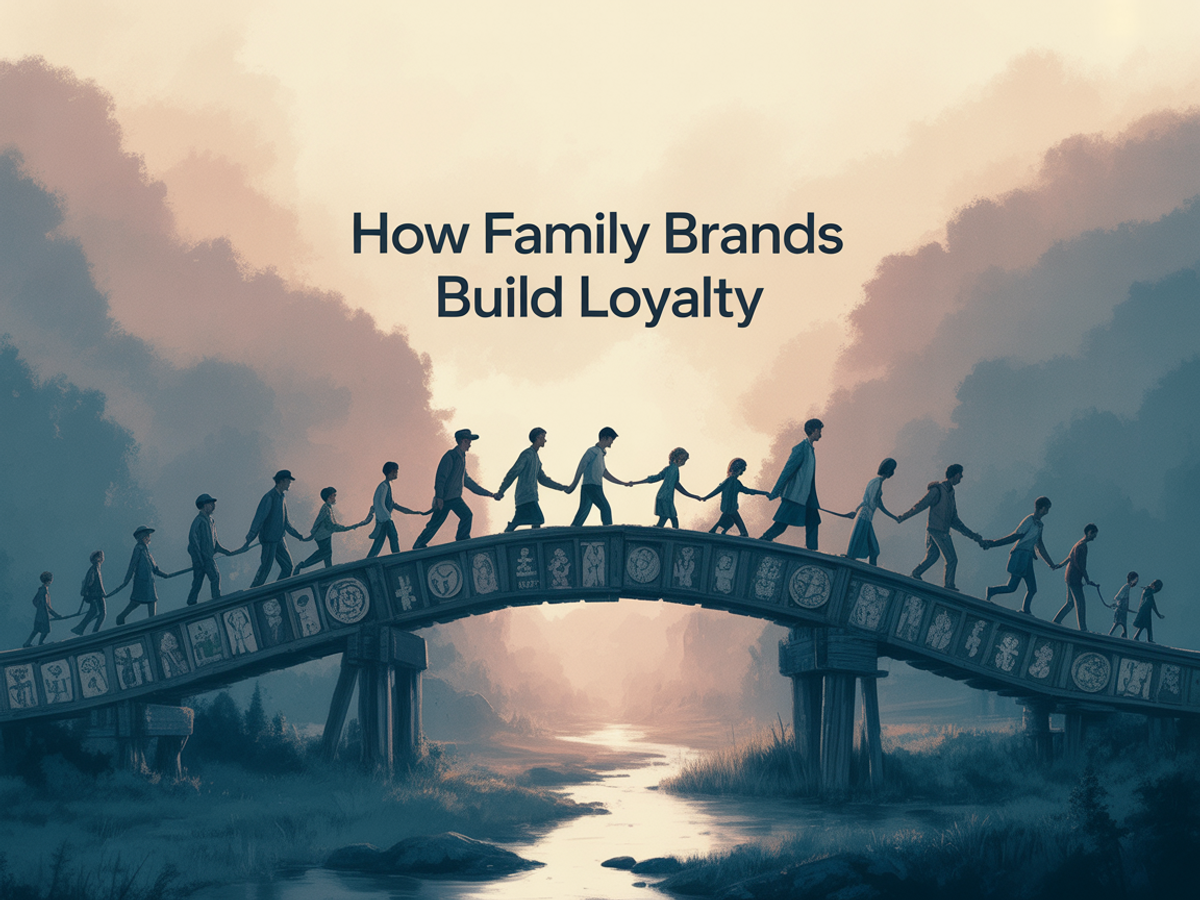
Most parenting brands are betting on the wrong currency. They're slashing prices, stacking discounts, and running constant promotions—confident that the cheapest option wins parent loyalty. But the research tells a different story. When parents spend $12,000 on a baby in the first year alone, they're not looking for the deepest discount. They're looking for someone who understands them, won't let them down, and genuinely cares about their family's well-being.
This is the myth that costs parenting brands millions in wasted acquisition spending and customer churn: that loyalty is transactional. It isn't. For baby and kids brands, loyalty lives in trust and community. When you get those two things right, price becomes almost irrelevant.
What is True Loyalty for Parenting Brands? More Than a Transaction
Real loyalty for family brands goes far beyond repeat purchases. It's the customer who chooses your brand even when a competitor offers 30% off. It's the parent who recommends you to their entire mom group without being asked. It's the loyalty that survives price wars, product shortages, and the chaos of modern parenting.
This kind of loyalty rests on two foundational pillars: trust and community.
Trust is the belief that a brand will reliably keep children safe, deliver quality, and act with transparency. Parents are making some of the most important decisions of their lives. They need to know you're dependable. A parent won't switch to a cheaper diaper brand if they've had a bad experience—the cost of a rash, an allergic reaction, or a sleepless night far exceeds any savings.
Community is the sense of belonging parents feel around a brand. It's the space where they share experiences, ask for advice, celebrate milestones, and feel less alone in their journey. When parents find community, they're not just buying products. They're buying membership in a group that understands what they're going through.
Why Trust and Community are Non-Negotiable for Family Brands
Understanding why these elements matter requires stepping into a parent's world. They're operating in high-stakes territory.
Parenting is intensely scrutinized. Every decision—from formula choice to sleep training method—carries weight and potential judgment. Parents are discerning precisely because the stakes are so high. They'll happily pay a premium for brands they trust completely. This is why transparent, trustworthy brands often outperform cheaper alternatives. Parents aren't optimizing for lowest cost. They're optimizing for safety and peace of mind.
The financial reality compounds this. Middle-income families spend over $12,000 on baby products in year one alone. That's a significant portion of household budget. This intense financial investment makes parents hyper-aware of value. They want assurance that every dollar spent matters. Brands that focus purely on price attract deal-hunters, not loyal customers. Deal-hunters leave the moment someone else is cheaper.
Meanwhile, customer acquisition costs are skyrocketing. It can cost 5 to 7 times more to acquire a new customer than to retain one. For parenting brands, this math is brutal. Focusing on retention through genuine loyalty is transformational. Instead of constantly replacing customers who churn, you build a core base of advocates who return repeatedly.
Parents also rely heavily on peer recommendations. More than 50% of moms say their purchasing decisions are influenced by recommendations from other moms. This isn't paid influence. It's authentic word-of-mouth emerging from trusted networks. When you build community around your brand, you tap into this powerful dynamic. Parents become voluntary advocates.
There's another factor that makes loyalty especially powerful for baby and kids brands: predictable purchasing cycles. Diapers, formula, developmental toys, clothing in progressively larger sizes—these needs evolve on a timeline. A brand that earns trust early can own a family's entire journey as children grow. This natural lifecycle, combined with switching costs (changing what works feels risky), creates resilient loyalty.
Finally, there's the perception shift. Brands that prioritize trust and community transform from commodities into trusted partners. A commodity is interchangeable. A trusted partner is irreplaceable.
The Anatomy of Lasting Loyalty: Mechanisms at Play
Three core mechanisms drive this deeper loyalty: emotional resonance, social proof, and value beyond the product itself.
Emotional resonance starts with empathy. Parents are exhausted. Many are anxious about making the "right" choices. Brands that acknowledge this struggle—without being patronizing—create powerful emotional bonds. The Honest Company, for example, doesn't just sell diapers. Their brand voice validates parent concerns about chemicals and safety. Pampers goes further, positioning themselves as a resource for confident parenting through content about child development and sleep.
Storytelling amplifies this. When you share stories of real families using your products, or narratives about why your brand exists, you create opportunities for parents to see themselves reflected. This isn't manipulation. It's recognition. Parents respond to brands that show they understand their world.
Social proof operates differently in the parenting space than elsewhere. Traditional celebrity endorsements matter less. Peer recommendations matter more. User-generated content, reviews, and testimonials function as trust signals. Research shows 79% of consumers trust online reviews as much as personal recommendations. For parenting brands specifically, reading reviews from other parents solving the same problems is invaluable. When you showcase real families using your products, you bypass the skepticism that comes with brand marketing.
The third mechanism is value delivery beyond the product. Parents don't just want your product. They want resources, support, and solutions to their broader challenges. This is where educational content becomes a loyalty tool. Guides on developmental milestones, workshops on sleep training, expert Q&As on nutrition—these create reasons to engage with your brand beyond purchase. You become a trusted resource.
Building Your Loyal Family: Practical Applications for Shopify Brands
So how do you actually build this? The path has several key components.
Start with radical transparency. This is your foundation. Be clear about product ingredients, materials, and safety certifications. Share your sourcing practices. Explain your manufacturing process. When parents can see exactly what's in the products they're giving to their children, trust builds immediately. This transparency should extend to your business values. What do you stand for? Who do you serve? Why does your brand exist?
Pair transparency with authentic communication. This means dropping corporate speak. Use language that mirrors how parents actually talk. Acknowledge struggles and celebrate wins. When customer service interactions happen, make them personal. Train your team to respond with genuine empathy, not scripted responses.
Now, reimagine your loyalty program. Traditional points-for-discounts programs work, but they miss the opportunity to reflect what parents actually value. Yes, include points for purchases. But expand beyond that.
Reward engagement with diverse incentives. Parents might prefer a milestone reward (a special gift when their baby reaches six months) over another discount code. Early access to new products resonates. Exclusive content—a downloadable guide to toddler nutrition, a masterclass on potty training—often drives more engagement than points. Some parents value charitable options, preferring to have points donated to parenting charities in their name.
Consider milestone-based rewards specifically. A baby's first year is marked by developmental milestones. Create rewards that acknowledge these moments: newborn, first smile, first roll-over, first solid foods, first birthday. These touchpoints feel personal because they recognize what matters most in a parent's life. Loyalty program features like VIP tiers work beautifully here too, creating a sense of progression and aspiration.
Implement VIP tiers thoughtfully. Bronze, Silver, Gold—with escalating benefits like free shipping, exclusive community access, and early product launches. Parents appreciate the aspiration, and the tiers make them feel increasingly valued as they progress.
Gamification matters. Interactive challenges—earn bonus points this week by completing a quiz about child development, or refer a friend and unlock a special reward—make the loyalty program feel engaging rather than transactional. Personalize these challenges based on customer data so they feel relevant to each family.
Referral programs tap directly into parent networks. Parents trust other parents. Make it rewarding to refer friends, and you're leveraging the most authentic marketing channel available.
Create dedicated community spaces. A Facebook Group for customers, a branded forum, or an in-app community where parents can ask questions and share experiences. These spaces become extensions of your brand. Parents check in daily, build friendships, and develop stronger ties to your brand in the process. Actively participate—respond to questions, share content—to demonstrate genuine investment in the community.
Encourage and reward user-generated content. Incentivize reviews, ratings, testimonials, and photo submissions with loyalty points. When parents see other parents' photos and stories, they gain confidence. Make it easy to submit and recognize excellent contributions. Feature outstanding content in email campaigns and on your website.
Your user-generated content guide provides detailed strategies for implementation.
Invest in parenting content. Educational resources aren't a marketing tactic—they're a loyalty driver. Create guides on child development stages, workshops on practical challenges, expert Q&A sessions. Position your brand as a trusted educational resource. This content serves a dual purpose: it provides genuine value and signals that you understand parent needs.
Collaborate with parent influencers and micro-influencers. They have authentic relationships with their audiences. Partnerships that generate user-generated content and authentic endorsements drive awareness within trusted networks.
Ensure your community and marketing reflect diverse family structures and cultural backgrounds. Representation matters. Parents want to see their families reflected in your content.
Personalization is critical. Segment your audience based on child age, purchase history, and preferences. Send tailored communications. A parent with a newborn needs different messaging than one with a three-year-old. Use data to recommend products and content that align with their family's developmental stage.
On Shopify specifically, choose a loyalty app that integrates deeply with your ecosystem. Loyalty, reviews, wishlists, and referrals should work as a unified system, not disconnected tools. This creates a cohesive customer journey. A customer moves seamlessly from earning points for purchases, to leaving reviews (earning more points), to referring friends, to accessing VIP benefits.
Look for apps that support omnichannel loyalty if you operate physical locations. Parents who shop online and in-store shouldn't experience fragmented programs.
Optimize your Shopify store itself. Make loyalty program details visible at checkout. Display earned points clearly. Feature community content throughout product pages. Streamline checkout to reduce friction. These details matter when you're targeting time-strapped parents.
Measuring Success and Sustaining Growth
The metrics for loyalty in the parenting space differ from typical e-commerce. Yes, track repeat purchase rates and customer lifetime value. But also watch engagement metrics.
Monitor community activity: discussion frequency, content submissions, member growth. Track user-generated content volume. Analyze sentiment in reviews and community discussions—are parents talking positively about their experiences?
Look at gamification for engagement metrics: challenge completion rates, referral activity, tier progression speeds.
Brands using loyalty programs effectively see remarkable results. Some Growave merchants report 209% increases in repeat customer rates and 42.55% improvements in revenue per customer. These numbers reflect what happens when you build real loyalty.
Consider the lifetime value of a community-engaged parent. They purchase more frequently, spend more per transaction, and bring in new customers through referrals. They're also more forgiving during inevitable problems—a trusted customer will give you the benefit of the doubt.
One final consideration: data ethics. Parents are particularly sensitive to how their information is used, especially when children are involved. Be transparent about data collection and usage. Offer clear privacy protections. This isn't just ethical; it builds additional trust.
Building Trust With Implementation
The path forward is clear. Start with transparency and authentic communication. Implement a loyalty program that recognizes milestones and rewards engagement broadly. Build community spaces where parents feel heard. Create educational content that genuinely helps. Personalize experiences. Choose technology that unifies these elements into a coherent system.
This approach requires more thoughtfulness than a simple discount program. But the payoff is profound: parents who choose your brand not because you're cheapest, but because you're trustworthy, supportive, and part of their parenting journey. Those customers don't leave. They return repeatedly, refer others, and develop genuine affinity for your brand.
For Shopify merchants ready to implement this approach, the technology exists. The research is clear. The parent market is ready. The question is whether you're ready to move beyond discounts and build something real.
Frequently Asked Questions
Q: Is it really worth investing in community when discounts are so easy?
A: Absolutely. While discounts create short-term purchase bumps, they don't build loyalty. Customers acquired through discounts leave the moment another brand offers a better deal. Community and trust, by contrast, create resilient loyalty that reduces churn and dramatically increases customer lifetime value. The ROI from a loyal customer base far exceeds the ROI from discount-driven acquisition.
Q: What's the first step a small Shopify brand should take to build trust?
A: Start with radical transparency. Clearly communicate product ingredients, safety information, and sourcing practices. Then focus on personalization in customer service. When customers contact you, respond personally and empathetically. These two elements—transparency and human connection—lay the foundation for trust.
Q: How can I measure the ROI of my community efforts?
A: While direct financial ROI can be complex, look at leading indicators: increased user-generated content submissions, higher engagement rates in community spaces, improved sentiment in reviews, and ultimately, higher repeat purchase rates and average order value from engaged community members. Customers who participate in community are significantly more valuable long-term.
Q: What [Shopify referral program guide](https://www.mageloyalty.com/blog/complete-shopify-referral-program-guide-setup-apps-promotion-strategies) features work best for parenting brands?
A: Referral programs that reward both the referrer and the referred customer perform best. Make the rewards meaningful—perhaps a free product or substantial discount rather than small point values. Parenting brands see strong referral performance because parents naturally recommend products to their networks. Make participation easy and the rewards clear.