Here's a counterintuitive truth: most businesses think they're running VIP loyalty programs when they're actually just offering slightly better discounts at higher tiers. They're confusing a tier with an experience.
A true VIP loyalty program isn't a pyramid of escalating discounts. It's an entirely different ecosystem built on recognition, exclusive access, and relationships that go far beyond transactions. The difference isn't subtle—it fundamentally changes how customers perceive your brand and how much they're willing to spend.
Key Insight: VIP Programs Aren't Tiers with Better Numbers
Most tiered programs offer 5% more points or 10% larger discounts at the top level. Real VIP programs offer experiences, access, and personalization that money alone can't buy. This distinction determines whether your VIP tier becomes a profit driver or just another tier that dilutes exclusivity.
Understanding the Essence of VIP Loyalty Programs
Let's be direct about what separates a VIP program from a standard tiered structure. A general tiered loyalty program—Bronze, Silver, Gold—typically features straightforward progressions based on spending. Customers earn more points per dollar spent as they climb tiers. It's logical. It's scalable. It's also what most brands do.
A VIP program operates under different principles. Think of it like the difference between first-class airfare (more comfort for money) versus membership in an exclusive airport lounge (access to a world most passengers never see). One is a transaction. The other is an experience.
When I've worked with brands implementing building a top-tier loyalty program, the ones that truly moved the needle understood this distinction viscerally. Sephora's Beauty Insider Rouge tier isn't attractive because members get 15% more points. It's attractive because they receive private shopping events, free expedited shipping, personalized beauty consultations, and early access to limited collections. These benefits create psychological exclusivity that extends far beyond the discount value.
Why Not All "Top Tiers" Are VIP Tiers
The strategic intent behind a VIP tier differs fundamentally from traditional tiering. Here's what matters:
Strategic intent separates them. A standard top tier aims to increase customer spend through larger incentives. A VIP tier aims to deepen emotional connection, reduce churn, and transform customers into advocates. The metric of success isn't higher points accumulation—it's customer lifetime value and advocacy rate.
Benefit design tells the story. Standard top tiers offer scaled versions of lower-tier rewards: bigger discounts, more points. VIP tiers emphasize what's exclusive, unscalable, or experiential. Private events. Dedicated support lines. Personalized recommendations from your founder. These benefits can't be given to everyone without losing their value.
Eligibility criteria shift fundamentally. High spenders don't automatically become VIPs. A truly exclusive tier considers purchase frequency, engagement (email opens, content consumption, review submissions), tenure as a customer, referrals made, and strategic value to your brand. Someone who spent $5,000 in a single purchase might not qualify, while someone who spent $3,000 across 24 purchases over three years definitely would—because they represent sustained loyalty.
Read our guide to better understand how tiered structures work before layering VIP exclusivity on top.
The Indispensable Value of Nurturing Your Elite Clientele
Why does this distinction matter financially? Because your VIP customers drive disproportionate value.
Elevating Customer Lifetime Value
The numbers tell a compelling story. Loyalty program members for Astrid & Miyu purchase 220% more per year than non-members and are 6 times more likely to repeat purchase. These aren't small optimizations. This is transformational growth.
When you build a true VIP experience, you're not just encouraging more purchases. You're fundamentally changing the economics of customer relationships. Instead of acquiring customers and hoping they return, you're nurturing your most valuable segment with benefits so exclusive they become willing advocates who market your brand for you.
A customer in your VIP tier should represent 5-10x the lifetime value of a casual buyer. If your average customer spends $200 with a margin of 40%, your VIP customers should be worth $1,000+ in profit over their lifetime. At that value level, exclusive benefits stop being nice gestures and become serious investments in retention.
Cultivating Brand Advocates and Ambassadors
VIP customers don't just spend more. They become your marketing department.
When someone feels genuinely valued—not just discounted, but truly seen and appreciated—they become a vocal advocate for your brand. They refer friends. They leave detailed reviews. They engage authentically on social media. They defend your brand in online conversations.
Enhance your customer retention strategy by recognizing that VIP advocacy is a retention mechanism. The more exclusive and personalized a VIP feels, the less likely they are to churn. Switching costs become psychological, not just financial.
Gaining Invaluable Insights and Feedback
VIP customers are also your research department.
A dedicated VIP communication channel—whether it's a private Slack group, WhatsApp broadcast, or exclusive email list—gives you direct access to your most engaged customers. These are people who understand your products deeply, have strong opinions about your brand, and are willing to invest time in helping you improve.
I've seen brands use VIP focus groups to test product lines, receive feedback on packaging, and understand market trends before they become obvious. That intelligence is worth more than the cost of running the VIP program.
The Shopify loyalty program growing brands trust
See how Mage helps Shopify brands lift repeat purchase rate with loyalty, referrals and store credit.
Book a demoThe Mechanics of Crafting an Exclusive VIP Experience
Building an actual VIP program requires precision. Imprecision erodes exclusivity and confuses your customer base. Here's how to do this right.
Precision in Member Identification: Who Is Your True VIP?
The biggest mistake brands make is reducing VIP qualification to a single metric: annual spend. This creates several problems. It rewards bulk purchases over loyal relationships. It ignores engagement signals. It misses customers who are valuable for reasons beyond transaction value.
Beyond spend thresholds, consider these dimensions:
Frequency of purchase matters more than size. Someone who buys monthly is more engaged than someone who makes one large annual purchase. Track purchase intervals. Calculate how many transactions occurred in the last 12 months, not just total spend.
Average order value should be one input, not the only input. A customer averaging $150 per order across 12 purchases ($1,800 annual spend) should rank higher than someone with a single $2,000 purchase.
Product category preferences reveal customer intent. Do they buy across multiple categories or concentrate in one? Concentrated buyers might need different benefits than exploratory buyers.
Engagement metrics—email open rates, content consumption, review submissions—tell you who's actually paying attention. A customer who opens 80% of your emails and leaves detailed reviews is more engaged than someone who barely cracks their email.
Referral history matters tremendously. If someone has referred three friends, they've already demonstrated advocacy. That's worth premium treatment.
Tenure as a customer is psychologically significant. Someone who's been with you for five years, even with moderate spending, represents something deeper than a recent high spender.
Operationalizing identification across touchpoints is where most programs fail.
Your VIP identification must work consistently whether customers engage online, in-store (if you have physical locations), through customer service, or via marketing channels. This requires integrating your loyalty platform with your CRM, your Shopify store, your connecting in-store and online POS system if applicable, and your email platform.
When a customer reaches VIP status, their profile should immediately reflect this everywhere: their Shopify account shows VIP badges, their customer service notes highlight VIP status, their email campaigns route to VIP lists, their in-store POS system displays their status to staff.
Use CRM systems with rewards platforms to ensure seamless identification. This integration prevents the scenario where a customer is VIP online but treated as a regular customer in-store—a quick way to destroy exclusivity.
The Path to Prestige: Earning and Maintaining VIP Status
Clear criteria for achieving VIP status are essential. Aspirational criteria are even better.
Tell customers exactly what they need to do. This might be: $5,000 spent AND 12+ purchases in 12 months AND 4+ product reviews. The combination matters. It prevents gaming the system through a single massive purchase while rewarding sustained, engaged loyalty.
Make the criteria visible. Create a progress tracker that shows customers how close they are to VIP status. This gamification element encourages the specific behaviors you're rewarding.
Here's the part most programs miss: the maintenance rules.
A customer who reaches VIP status but then goes inactive should eventually lose that status. This seems harsh, but it's essential for preserving exclusivity. If anyone who ever spent $5,000 remains VIP forever regardless of engagement, the tier loses meaning.
Define inactivity clearly: perhaps VIP status requires at least one purchase or substantial engagement within a 12-month rolling period. If someone doesn't meet this threshold, initiate a re-engagement campaign. Communicate that they're at risk of losing VIP status. Make the path back clear.
Why does this matter? Because customers respect exclusivity. They'd rather be in a truly exclusive tier they have to maintain than in a fake tier that everyone eventually reaches. Demotion from VIP, when communicated as a re-engagement opportunity rather than a punishment, often sparks a renewal of interest.
Curating Irresistible Exclusivity: VIP Benefits That Resonate
This is where strategy becomes reality. What benefits actually make someone feel like a VIP?
Experiences over discounts. Early access to new collections beats a 20% discount every time. The psychology is different. One feels like a privilege. The other feels like a sale.
Concrete examples of experience-driven VIP benefits:
- Private shopping events (virtual or in-person) where VIP customers see new collections 72 hours before public release
- Exclusive invitation-only product launches with your founder or creative director
- Personalized styling consultations (for fashion/beauty brands) included as a VIP benefit
- Birthday gifting—not a coupon, but a real gift selected based on their purchase history
- Dedicated customer service line with priority response times
- Free expedited shipping on all orders
- Customization opportunities (monogramming, bespoke sizing, color selection not available to others)
Personalization is the ultimate privilege. Tailor your VIP communications and offers based on individual behavior. If someone primarily buys winter clothing, don't send them summer promotions at the same frequency. If they consistently purchase gifts rather than personal items, offer gift-wrapping and gift note services.
Dynamic personalization goes deeper. If a customer tends to make purchases within 30 days of newsletters, ensure they receive newsletters at intervals that match their behavior. If someone has reviewed five products but never bought from recommendations, adjust your recommendation strategy.
This level of attention—like having a personal shopper who truly knows your taste—is what separates VIP experiences from tier bumps.
The art of dialogue: VIP communication strategy.
Your VIP tier should have dedicated communication channels. At minimum, a separate email list where VIP communications receive higher priority and more personalized content. More advanced: a private Slack group, WhatsApp community, or exclusive portal where VIPs receive updates, previews, and the ability to interact with each other.
Frequency matters. VIPs should hear from you enough to feel valued and informed, but not so frequently that you create notification fatigue. Once per week is typical. Twice per week maximum, unless there's genuinely urgent information.
The tone matters most. VIP communications should feel like you're inviting someone into a club, not blasting a promotion list. Avoid mass-marketing language. Use personal pronouns. Reference their specific behavior: "We noticed you love our sustainable collection. We're giving you first access to our new eco-friendly line."
Differentiate dramatically from general communications. If your regular emails feature discounts and promotions, VIP emails should emphasize access and recognition. Example: A regular email might say "Everything is 20% off this weekend." A VIP email would say "You're invited to our exclusive VIP preview event this Friday, 48 hours before public sale."
“Cannot say enough good things about the team at Mage Loyalty, one of the absolute best organizations we have ever worked with, full stop! So glad we connected with them, completely redid our loyalty program, new concepts, use of loyalty, increasing user engagement, showing us where we were not valuing our best customers, just WOW, amazing team!”


Read the West Coast Goalkeeping case study →
Implementing and Optimizing Your VIP Loyalty Program
Strategy becomes real only through execution.
Building the Operational Framework
You need the right technology stack to operate a genuine VIP program. Your loyalty platform must be able to identify customers across touchpoints, track multi-dimensional qualification criteria, deliver exclusive benefits in real time, and integrate with your other systems.
The most important integration is with your CRM. Your customer service team needs to see VIP status instantly when a customer contacts support. Your marketing team needs to segment VIP customers automatically for exclusive campaigns. Your sales team (if you have one) needs to know which customers warrant special attention.
Staff training is overlooked but critical. Every person who interacts with customers should understand VIP status and what it means. A customer service rep should never tell a VIP customer "I'm sorry, that's not possible" without checking whether a VIP exception applies. An in-store employee should greet VIPs differently—not obsequiously, but with genuine recognition.
Create training materials showing staff how to identify VIPs, what benefits they're entitled to, and how to communicate VIP-level service. Role-play scenarios where staff handle common VIP interactions.
Measuring Success and Iterating for Excellence
Track metrics that matter. VIP program ROI lives or dies based on customer lifetime value comparison.
Key VIP metrics:
Customer lifetime value of VIPs versus non-VIPs (target: VIPs should be 5-10x higher). Churn rate of VIPs versus non-VIPs (VIPs should churn at 1/3 the rate). Referral rate from VIPs (they should refer 3-5x more customers than regular members). Repeat purchase rate within VIP tier (should be 60%+ annually).
Average order value growth from joining VIP tier versus before. Engagement rate with exclusive offers (open rate, click rate, redemption rate).
What's the actual profit from your VIP program? Calculate this: (VIP customer lifetime value - costs of VIP benefits and support) - (lifetime value of same customers in a tier below - cost of that tier). If the number isn't positive and substantial, your program needs adjustment.
Test variations constantly. Does a $500 spend threshold or $2,000 spend threshold actually produce better long-term outcomes? Does monthly communication or quarterly communication drive higher engagement? Does experiential benefit X drive higher retention than experiential benefit Y?
Use effective loyalty program management frameworks that emphasize continuous improvement and data-driven decisions.
Navigating Common Pitfalls
Devaluing exclusivity through expansion. The easiest mistake is making VIP too easy to achieve. You want 10% of customers in VIP, not 40%. If too many customers reach VIP status, it stops feeling exclusive. Recalibrate your criteria if needed.
Overpromising benefits. Promise only what you can consistently deliver. If you promise a personalized styling consultation but lack the resources to deliver within 48 hours, you've damaged trust.
Treating VIP as a permanent upgrade. Customers should understand that maintaining VIP status requires continued engagement. This motivates ongoing behavior. Announce demotions strategically—position them as re-engagement opportunities.
Ignoring cost-benefit analysis. Some VIP benefits are expensive. A private shopping event might cost $5,000 to host for 50 VIPs, but if those 50 customers generate $50,000 in incremental annual spend, it's a profitable investment. Don't run VIP benefits blindly.
Brands That Define VIP Excellence: Real-World Success Stories
Sephora's Beauty Insider Rouge: A Masterclass in Exclusivity
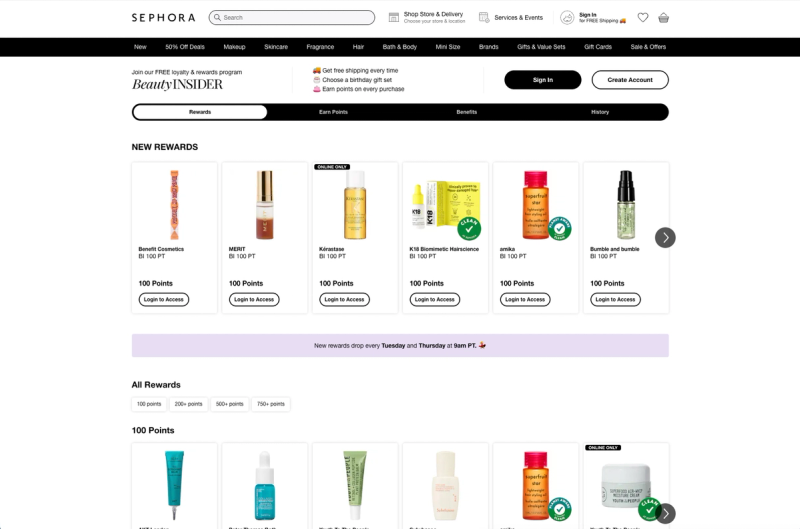
Sephora's Rouge tier represents nearly everything right about VIP design. Membership requires $1,000 annual spend, which naturally filters to truly committed customers. But the benefits go far beyond point multipliers.
Rouge members receive exclusive access to private shopping events where they preview new brands and collections. They get free beauty services (consultations, makeovers) that would normally cost money elsewhere. They receive birthday gifts—thoughtful products, not coupons.
The psychological genius: Rouge makes you feel like you've joined an actual club. The tier name itself—"Rouge"—feels aspirational. It's not "Gold Plus" or "Platinum Extra." It's a color, an attitude, a status symbol.
Explore leading beauty loyalty programs to see how luxury brands approach VIP tiers differently than mass-market brands.
Starbucks Rewards: Personalization at Scale
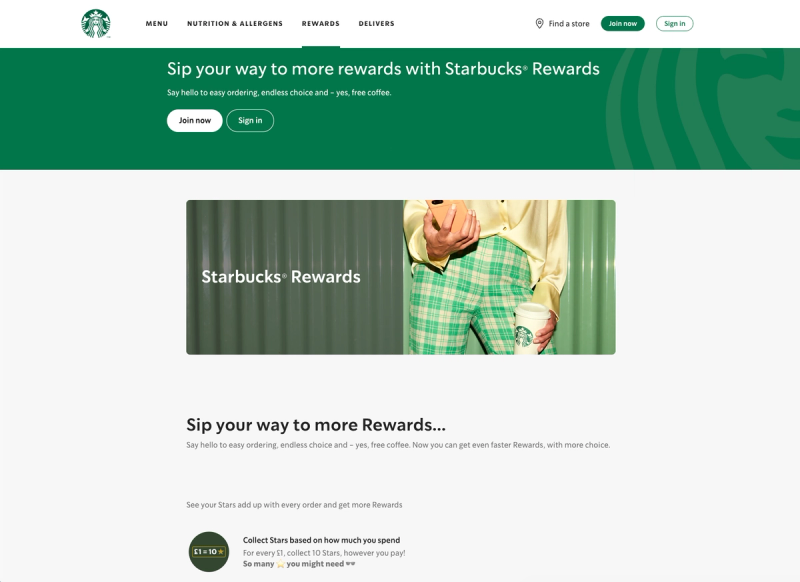
Starbucks operates one of the world's largest loyalty programs, yet their top tier still feels personalized. They know your usual order and can make personalized recommendations based on your history. You receive birthday rewards tailored to your drink preferences.
The achievement: maintaining personalization across millions of customers through data infrastructure and automation.
Astrid & Miyu: Demonstrating Tangible ROI
This jewelry brand proves that VIP programs work in the luxury space. Loyalty members spend 220% more annually than non-members, and they're 6 times more likely to repeat purchase. They've built a VIP tier not through marketing hype but through genuine recognition of their best customers.
American Express Centurion Card: The Pinnacle of Exclusivity
The infamous "Black Card" represents the apex of VIP design. It's invitation-only—you can't apply. The benefits are bespoke services rather than point multipliers: concierge services, exclusive travel experiences, special restaurant reservations.
The genius lies in aspiration. Most cardholders will never qualify, which makes the program aspirational. Those who do qualify feel genuinely special.
Frequently Asked Questions
What is the core difference between a VIP loyalty program and a regular tiered program?
A VIP loyalty program prioritizes exclusive access and personalization over transactional discounts, while tiered programs offer scaled rewards based on spending or activity. VIP tiers focus on deepening emotional connection and advocacy, requiring complex qualification criteria beyond spend thresholds, whereas standard tiers reward all qualifying customers equally within each level. VIP programs typically include experiential benefits, personalized communication, and dedicated support that create psychological exclusivity and significantly higher customer lifetime value.
How do I identify my true VIP customers beyond spending habits?
True VIP identification combines purchase frequency, average order value, engagement metrics, referral history, and tenure as a customer. Look at how often someone purchases (monthly engagement matters more than one large transaction), track email engagement and content consumption, monitor review submissions and social engagement, and assess how many customers they've referred. This multidimensional approach reveals customers who are valuable for sustained loyalty and advocacy, not just transaction size.
What kind of exclusive benefits are most effective for VIP members?
Experiential benefits outperform transactional discounts for VIP engagement. Effective benefits include early access to new collections or product launches, private shopping events, personalized styling consultations, dedicated customer service lines, free expedited shipping, birthday gifts, and bespoke product customization. The most powerful VIP benefits create access or recognition that cannot be scaled to all customers without losing exclusivity, making members feel genuinely privileged.
Can a customer lose their VIP status, and how should that be communicated?
Yes, maintaining clear inactivity thresholds (such as no purchases within 12 months) preserves VIP exclusivity and encourages ongoing engagement. When customers approach demotion, frame communication as a re-engagement opportunity rather than punishment: "We'd love to welcome you back to Rouge status." This approach respects exclusivity while giving customers a clear path to maintain their membership.
TLDR
VIP loyalty programs differ fundamentally from standard tiered structures by prioritizing exclusive experiences, personalization, and recognition over incremental discounts. True VIPs should be identified through multidimensional criteria (frequency, engagement, referrals, tenure), not spend alone, and should receive experiential benefits (early access, private events, dedicated support) that create psychological exclusivity. Successful programs integrate technology across touchpoints to ensure consistent VIP identification, maintain clear earning and maintenance criteria to preserve exclusivity, and track VIP-specific metrics (lifetime value, churn rate, referral rate) to measure ROI. When executed properly, VIP tiers transform your most valuable customers into vocal advocates who drive 5-10x higher lifetime value than regular customers.

Graeme is the co-founder at Mage Loyalty. He heads product development, from complex loyalty migrations and large-scale data handling to building the features shaping the future of loyalty on Shopify.