Most Shopify store owners assume that once a loyalty member goes quiet, they're gone for good. That assumption costs you tens of thousands in revenue every year.
Here's what the data reveals: 74% of loyalty program members stop engaging within just two months of joining, yet acquiring a new customer costs up to 25 times more than retaining an existing one. This gap is where smart merchants find their edge. The members who've already proven they'll buy from you—who've enrolled in your program and interacted with your brand—are sitting dormant in your database, waiting for the right nudge to come back.
Reactivating lapsed loyalty members isn't a nice-to-have marketing tactic. It's a survival strategy for retention-focused brands. The merchants winning in 2025 aren't the ones chasing acquisition all day. They're the ones bringing back the customers they already had.
In this guide, you'll discover exactly how to identify which members are at risk, craft offers they actually want, build the messaging that works, and automate the entire process so it scales without burning out your team.
The Unseen Churn: Why Loyalty Members Go Quiet
Before you can win back a member, you need to understand why they left in the first place. And here's where most loyalty programs get it wrong—they assume the reason is always the same, so they apply the same generic offer to everyone.
The truth is more nuanced.
Understanding the Psychology of Lapsing
Members don't churn overnight. They drift. A purchase goes missing. An email gets unopened. A few weeks pass. Then a few more. Eventually, the loyalty program becomes background noise—something they enrolled in once but forgot exists.
The psychology behind this is rooted in perceived value. A member compares the cost of engaging (remembering the program exists, logging in, finding a reward worth redeeming) against the benefit they believe they'll get. When that mental math tips negative, engagement stops. It's not conscious disengagement most of the time—it's passive attrition. Life gets busy. Passwords get forgotten. Interest naturally wanes.
But there's also the deliberate dropout. Some members actively choose to leave after reaching what behavioral economists call a "satisfaction threshold"—the moment when they feel they've extracted enough value and have no reason to stay. This happens when:
- Reward tiers feel unreachable (the gap between Bronze and Silver suddenly looks like a chasm)
- Communication becomes noise instead of value
- Competitors offer something shinier
- Economic circumstances change and discretionary spending tightens
The distinction matters because involuntary lapses (payment failures, technical glitches, expired cards) respond differently to reactivation than voluntary ones (genuine disinterest). A member whose card declined during checkout is more primed to return than one who consciously chose to stop.
Why Generic Rewards Fail to Motivate
Here's the contrarian take: Most loyalty programs fail lapsed members by offering more of the same thing that didn't work the first time.
Consider the statistic: 35% of consumers planned to cancel memberships in 2024 because rewards weren't compelling enough. This isn't a customer problem. It's a program design problem. The standard reactivation playbook says to throw bonus points at dormant members and hope it sticks. But if the baseline rewards weren't compelling, extra points won't suddenly become compelling.
A lapsed member whose last purchase was six months ago isn't thinking about loyalty tiers and redemption thresholds. They're thinking about whether your brand solves a problem they currently have. Adding 500 bonus points to a program they've already forgotten about doesn't change that calculation.
The real win-back strategy acknowledges this gap. It doesn't try to convince lapsed members to care about your loyalty mechanics. Instead, it reminds them why they cared about your brand in the first place.
The Involuntary Lapse: Your Hidden Opportunity
Many merchants overlook the lowest-hanging fruit: involuntary lapses.
These are customers whose engagement stopped not because they wanted to leave, but because something technical broke. A payment method expired. An email address bounced. A password reset failed. In many cases, they don't even know they've lapsed.
The reactivation potential here is exceptional. These members already believe in your brand. They just need a gentle reminder and a frictionless way back in. A simple "We noticed your payment method expired—here's a quick link to update it" often yields 3-5x higher conversion than a discount-based reactivation campaign because it removes a barrier rather than trying to create motivation.
Distinguish between these two groups early in your segmentation. You'll treat them differently.
The Myth of More Points: When Standard Incentives Fall Flat
Every loyalty program has a drawer full of half-baked reactivation campaigns. They all follow the same formula: identify lapsed members, send an email offering 500 bonus points, wonder why nobody redeems them.
The assumption underlying this approach is that lapsed members lack information. If they just knew about the bonus, the logic goes, they'd come back. But that's rarely the problem. The problem is that standard transactional incentives don't answer the real question lapsed members are asking: "Why should I care about this program again?"
Beyond Transactional Loyalty
Modern customers, especially Gen Z and younger millennials, are increasingly skeptical of pure points-for-purchases models. They see through it. A 500-point bonus feels arbitrary when they don't understand what it's worth or how long it takes to accumulate enough for something meaningful.
What actually moves lapsed members is genuine value. That can take many forms, but it's rarely just more of the currency you've already devalued by overoffering.
Experiential rewards work. Limited-time access works. Recognition works. A personalized product recommendation tied to a modest discount works better than a generic point dump.
The practical implication: Before you design a reactivation offer, audit your baseline loyalty program. If the core rewards aren't working, a short-term bonus won't fix the underlying problem. You'll re-engage some customers, but they'll lapse again within weeks.
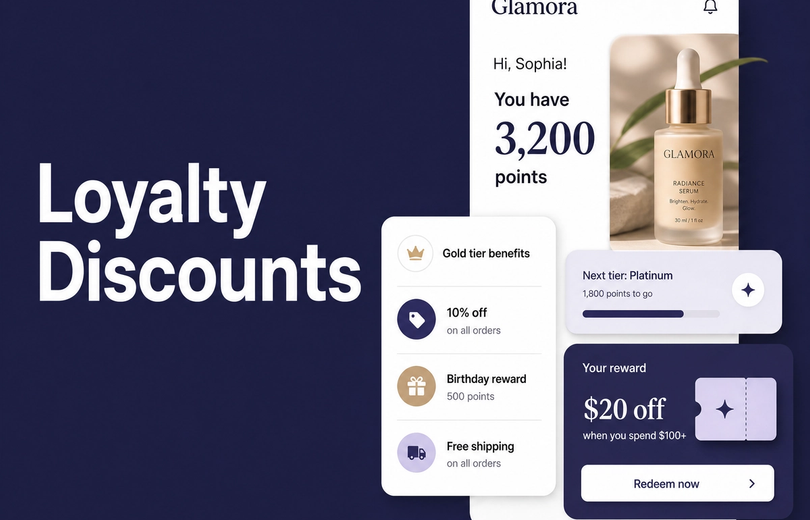
Successful loyalty program examples show brands moving away from pure points toward tiered value, exclusive access, and personalized benefits. That's not accidental. It's because transactional loyalty has limits.
Step-by-Step: Your Playbook to Win Back Lapsed Loyalty Members
Now to the actionable part. Here's how to systematically identify, segment, reach, and re-engage your dormant members.
Pinpointing Your At-Risk Audience
Before you can reactivate anyone, you need to know who "lapsed" actually means in your business.
Defining lapsing with precision: There's no universal threshold. For a subscription-based skincare brand, 30 days without a purchase might signal lapsing. For a furniture store, it might be 12 months. The rule is to align your definition with your natural purchase cycle.
Look at your data. What's the median time between purchases for your active members? What's the standard deviation? Members falling three standard deviations past their average last purchase date are your candidates. You can also use engagement metrics beyond purchase—last login, last review submitted, last email opened.
Create a baseline threshold. For most ecommerce brands, a lapsed member is someone who:
- Hasn't made a purchase in 60-90 days (adjust for your category)
- Hasn't opened a loyalty email in 30+ days
- Hasn't logged into the loyalty portal in 45+ days
Advanced segmentation using RFM: Once you've identified lapsed members, segment them using Recency, Frequency, and Monetary value.
Recency answers: When was their last transaction? Members who lapsed recently (within 30 days) are easier to reactivate than those gone for 12+ months.
Frequency answers: How often did they purchase historically? A member who bought five times in a year before going silent is more valuable than someone who bought once and disappeared.
Monetary value answers: What was the total value of their purchases? High-value customers warrant more aggressive reactivation efforts—perhaps a personalized phone call or a higher-value offer.
Plot these three dimensions and you'll see natural segments. Your matrix might look like this: High RFM members (recently active, frequently purchased, high spend) are your A-tier reactivation targets. Low RFM members might not be worth pursuing with expensive campaigns.
Win back churned customers using these exact principles—the data itself tells you who's most likely to respond.
Kris explains the customer data tree behind every touchpoint in this chapter of the customer journey masterclass; the same signals tell you who is about to lapse.
Use the customer data tree as your trigger list
RFM tells you who has already gone quiet. Loyalty data tells you earlier. In the touchpoints and data chapter we describe a simple tree: the customer sits at the top, their data flows into email, the storefront and the customer account, and each touchpoint is optimised on the same set of signals. Those signals are the triggers for reactivation.
- Active or starting to lapse: the gap since the last order compared with that customer's own cadence, not a flat 90 days.
- About to be downgraded: a tier expiry date approaching with the spend not yet met. A warning before the tier is lost beats a win-back after it.
- About to progress: close to the next tier and stalled. A progress email does more than an offer.
- Where they shop in the portfolio: which collections and products they buy, so the remarketing shows the product pairings that usually follow, rather than a generic sale.
- Loyalty status and tier: the reward and the tone should differ for a tier 3 member who has drifted and a tier 1 member who bought once.
Each of these is a segment you can build once and automate. We cover the leading indicators in more depth in how to spot at-risk customers before they churn, and the customer retention tools in Mage expose tier, expiry and activity status as tags so the segments can live in Klaviyo or Shopify.
Crafting Irresistible Reactivation Offers
The offer is where most reactivation campaigns fail.
The default move is predictable: 15% off, or 500 bonus points, or free shipping. These are baseline expectations, not incentives. They're also interchangeable with what your competitor is offering right now.
What actually moves lapsed members depends on why they lapsed.
For members who abandoned due to uncompelling rewards, try non-discount value: early access to a new collection, exclusive sizing/color options, a free sample set, or a limited-time tier upgrade (e.g., "Get one month of Gold benefits for free").
For members close to a meaningful redemption threshold, a targeted point boost works. If a member has 450 points and your next reward tier kicks in at 500, a 75-point bonus removes the friction and lets them claim their win.
For high-frequency past purchasers, a tiered bonus campaign often works best. This isn't a flat point drop—it's conditional value. "Spend $100 and get 200 bonus points. Spend $200 and get 500 bonus points." It rewards behavior, not just existence.
For long-dormant members who've genuinely churned, consider a "We're sorry" offer that feels less transactional. A handwritten note from your founder, a special gift on arrival, or a VIP shopping experience can signal that you genuinely want them back, not just their wallet.
The key principle: Tailor the offer to the segment. RFM tells you who to target. Purchase history tells you what they might want. Lapse reason tells you what will actually move them.
The Shopify loyalty program growing brands trust
See how Mage helps Shopify brands lift repeat purchase rate with loyalty, referrals and store credit.
Book a demoMastering the Art of Reactivation Messaging
The offer is only half the battle. The message is what gets opened, read, and acted on.
Subject lines that break through: Your subject line has one job: break the scroll. Lapsed members aren't actively looking for your email, so generic subject lines get trashed.
Effective reactivation subject lines use urgency, personalization, or intrigue:
- "Your loyalty points expire in 30 days—here's a bonus"
- "[Name], we have something special waiting for you"
- "Come back and get 3x points on your next order"
- "The product you loved is back in stock"
Avoid guilt-based subject lines ("We miss you!" might feel authentic to you but reads manipulative to them). Instead, lead with value ("Exclusive offer inside" or "Your reward is ready").
Body copy that converts: The opening sentence matters more than anything else. State your offer clearly and immediately. Don't make them scroll to understand what you're giving them.
Then—and this is crucial—explain why. Not why you want them back, but why the offer exists. "We've redesigned our rewards program and added three new tiers specifically based on feedback from members like you." This frames the offer as a genuine improvement, not a desperate retention ploy.
Personalization goes beyond the name. Reference their past purchase. If they bought your bestselling candle eight months ago, mention that candle in the email. Show them that you remember, and connect the offer to something they already know they like.
Include a clear call-to-action. "Claim your 30-day exclusive access now" beats "Click here to learn more." Make the path from email to redemption exactly three clicks or fewer.
Frequency and cadence matter: Don't send a single email and hope. Deploy a sequence.
First email: The main offer, optimized for opens and clicks.
Second email (7-10 days later): Target non-openers with a different subject line and angle. If your first email led with points, the second might lead with a product recommendation or a new collection launch.
Third email (14+ days): Optional. For high-value segments, a final push (phone call, SMS, or final email) sometimes converts. For lower-value segments, it's probably lost revenue.
Orchestrating a Multi-Channel Comeback
Email is the default, but lapsed members live on multiple channels.
SMS for speed and urgency: Email has a 30% average open rate. SMS has an 98% open rate. For time-sensitive offers or points expiry reminders, SMS is unmatched. A simple text—"Hi [Name], 200 points waiting for you. Redeemable through [date]. [Link]"—often outperforms a longer email.
Push notifications for app users: If your members have installed your app, push notifications are direct and immediate. Use them for expiring offers or milestone celebrations ("You're 50 points from a free item!").
On-site personalization: When a lapsed member lands on your site, capture that moment. A subtle pop-up—"Welcome back, [Name]. Here's 100 points on us"—can reset their mental model of your brand from "forgotten" to "thoughtful."
Direct mail for high-value segments: It feels analog in a digital world, but a physical card with a redemption code still works, especially for customers who've spent $1,000+ with you. It signals that you care enough to spend money on reaching them.
The rule: Use the channels where your audience actually is. Don't just email because it's easiest.
Perfecting Timing and Automation
Timing separates campaigns that work from campaigns that get archived and forgotten.
Identifying the optimal intervention window: Act before the member fully forgets. Research shows that re-engagement is highest when you intervene within 30-60 days of initial lapse, before the habit truly breaks. Acting at 180 days isn't useless, but it's uphill.
When to expire loyalty points matters tremendously. If a member's points are expiring in 30 days, that's your signal to send a "Use it or lose it" campaign. This creates natural urgency that no manufactured discount can match.
Setting up automated workflows: You don't want to manually email hundreds of lapsed members each week. Build automation.
Most Shopify loyalty platforms allow you to trigger campaigns based on inactivity. Set a rule: "If a member's last purchase is more than 60 days ago and they're enrolled in loyalty, send automation sequence X."
The sequence might look like:
Day 0: Email with offer and points bonus Day 7: SMS reminder for non-clickers Day 14: Final email with a different angle (product recommendation instead of generic discount)
Day 21: Exit sequence, log the result
Use seamless Klaviyo integration or similar platforms to segment and automate at scale.
Testing what works: Run A/B tests on everything. Split your audience and test different offers, subject lines, send times, and messaging angles. What works for one segment often flops for another.
“I looked into so many different integrations for loyalty and referrals for our Shopify Store, but no one impressed me more than Mage on human connection, customer service, and value.”


Read the Reelie case study →
Beyond Reactivation: Sustaining Engagement for the Long Haul
Here's where most reactivation campaigns fail catastrophically.
A member responds to your win-back offer, makes a purchase, earns some points, and then—three weeks later—goes dormant again. You've solved the short-term problem but ignored the long-term one: Why did they lapse in the first place?
If your baseline loyalty program isn't delivering ongoing value, reactivation is just a revolving door. Members come back when you beg, spend something, then leave again when you stop chasing.
Breaking the cycle requires sustained value. After reactivation, the work intensifies.
Send educational content about upcoming launches or exclusive previews to make being a member feel like insider access, not just a discount tactic. Celebrate milestones—"You've earned 1,000 lifetime points!"—to create momentum. Offer personalized product recommendations based on past purchase behavior.
Avoid training customers to only engage during promotions. If your only communication is "Here's a discount," they'll wait for discounts. Instead, 60-70% of your communication should be value-based: content, early access, recognition, community. The 30-40% that includes offers will land better when it does.
Orchestrating a Multi-Channel Comeback
The best retention strategy post-reactivation is systematic engagement across omnichannel loyalty strategy, ensuring members feel connected whether they're shopping online, in-store, or on mobile.
Members who see your brand across multiple touchpoints (email, SMS, app, physical store) are 3-5x more likely to remain active than those interacting through a single channel.
Measuring Your Win-Back Success
If you're not measuring, you're guessing.
Track these metrics religiously:
Reactivation Rate: What percentage of targeted lapsed members made a purchase within 30 days of the campaign? For most campaigns, 14-29% reactivation is solid. Anything below 10% signals that either your targeting or your offer is off.
Time to Reactivation: How long between email send and purchase? If it's averaging 21+ days, your messaging might lack urgency. If it's 2-3 days, your offer is resonating.
Post-Reactivation Retention: This is the real metric. Of the members you reactivated, what percentage made a second purchase within 90 days? This tells you whether you've solved the underlying problem or just temporarily manipulated them back.
Campaign ROI: Divide revenue generated by campaign costs (email platform fees, design work, offer cost). Reactivation campaigns often return 4-8x ROI because the audience is warm and the acquisition cost is zero.
Average Order Value from Reactivated Members: Are reactivated customers spending at their historical average, or are they cherry-picking your discounts? If AOV is 40% below their baseline, you're attracting deal-seekers, not genuine re-engagement.
Track these in a simple spreadsheet or dashboard. Review monthly. Adjust your offers and messaging based on what the data reveals, not what you assume.
Prevention is Better Than Cure
Reactivation is a bandage. The real goal is to never have members lapse in the first place.
This requires continuous, low-pressure engagement. Not constant sales emails. Genuine value.
Monthly newsletters highlighting new collections or styling tips. Seasonal surprise rewards for long-term members. Exclusive early access to sales (even if it's just 24 hours early) so membership feels like a VIP badge, not a discount code.
The members least likely to lapse are those who feel known by your brand. They remember why they joined. They interact with your loyalty program regularly because it delivers value even when they're not buying.
Frequently Asked Questions
What's the best offer to win back high-value lapsed members?
The best offer for high-value members isn't always the most generous one. High-value members often lapsed due to changes in life circumstances or dissatisfaction with rewards, not because they forgot about the program. For this segment, experiential rewards or exclusive access often outperform discounts. Examples include VIP-only shopping events, personalized product curation sessions, or permanent tier upgrades. Test a tiered bonus campaign where spending $500+ unlocks 1,000 bonus points alongside exclusive perks. Track which incentive type drives both purchase and long-term retention, as that's the true win.
How often should I send reactivation emails to dormant members?
The optimal reactivation email sequence is one primary offer email, followed by one follow-up 7-10 days later for non-openers. A third email at day 21-28 can work for high-value segments but often produces diminishing returns for broader audiences. Space emails more than 10 days apart to avoid email fatigue, which increases unsubscribe rates. More importantly, vary the angle between emails—first offer points, second highlights product recommendations, third creates urgency through offer expiry. Automated SMS can be interspersed if members opted in, but don't substitute one abandoned email sequence with five total messages across channels.
How do I know if my reactivation campaign is working?
Your reactivation campaign is working if reactivated members show a reactivation rate of 14-29% (industry standard) and, critically, if 40%+ of those reactivated members make a second purchase within 60 days. Single-purchase reactivation isn't success; it's temporary manipulation. Compare the 60-day repeat purchase rate of reactivated members against your overall customer repeat purchase rate. If reactivated members retain at 60%+ of your baseline retention rate or better, the campaign is working. If they drop off immediately after their first reactivation purchase, your offer isn't addressing the underlying reason for lapse.
What's the difference between a lapsed customer and a churned customer, and does it matter for reactivation?
Lapsed customers are those inactive for a defined period (typically 60-90 days) but still enrolled in your loyalty program and in your marketing list. Churned customers are those who've explicitly opted out, unsubscribed, or stopped interacting with every channel for an extended period (12+ months). Churned customers require different strategies—sometimes even re-permission before marketing—and have dramatically lower reactivation potential. Focus your reactivation efforts on lapsed members, not churned ones. If a member has truly churned, invest that effort in acquisition instead. The distinction is critical because reactivating a recently lapsed member costs pennies; reactivating a churned customer costs dollars.
TLDR
Reactivating lapsed loyalty members costs far less than acquiring new customers and yields strong ROI when executed strategically. Identify lapsed members using clear criteria (60-90 days without purchase or engagement) and segment them by RFM scores to prioritize high-value reactivation efforts. Avoid generic point bonuses; instead, tailor offers based on lapse reason and past behavior—experiential rewards, exclusive access, and tiered bonuses often outperform discounts. Craft personalized reactivation messages that lead with value (not guilt), clearly state the offer, and use strong CTAs across multiple channels (email, SMS, push). Automate workflows based on inactivity triggers and optimize timing, especially when to expire loyalty points, which creates natural urgency. Measure success through reactivation rate, time to reactivation, post-reactivation retention, and repeat purchase behavior within 60 days—single-purchase reactivation isn't real success. Finally, focus on preventing future lapse through continuous engagement, genuine value delivery, and member recognition, making reactivation campaigns less necessary over time.

Kris is the co-founder of Mage Loyalty. I spend most days talking to merchants, and making sure our customers get real results. If you run a Shopify store or Agency we should chat!