Most subscription models fail to build lasting customer loyalty. You can sign up for a service, get billed monthly, and never interact with the brand again. The transaction happens on autopilot. Yet many ecommerce brands treat subscriptions as loyalty solutions, assuming recurring revenue equals customer devotion. That's the trap.
Here's what actually separates repeat customers from loyal ones: emotion, choice, and reward. A subscription is a financial commitment. Loyalty is a psychological one. One guarantees cash flow. The other guarantees customers who actively choose you over competitors, even when they don't have to.
The real question isn't which strategy wins. It's how to layer them so subscriptions provide convenience while loyalty programs build the genuine connection that prevents churn.
The Common Misconception: Why Your Subscription Isn't Enough for Loyalty
The belief that subscriptions automatically create loyalty is everywhere. It makes sense on paper. Monthly charges. Recurring revenue. Sticky customers. But here's what actually happens: 37% of consumers canceled at least one subscription in the past year, many without hesitation. They weren't loyal. They were just convenient.
This is the "illusion of stickiness." Subscriptions lock in payment behavior, not preference. When a subscriber cancels, it usually isn't because they forgot they were paying. It's because the perceived value dropped, a competitor offered something better, or they didn't feel genuinely valued by the brand. The subscription model removed the decision-making friction, but it didn't earn emotional investment.
The distinction matters. Subscriptions pull revenue forward and reduce customer acquisition costs over time. But they don't address why customers choose you over alternatives. A gym membership might be automatic, but the moment someone finds a better gym or decides to work out at home, they're gone. No connection. No reason to stay.
True loyalty transcends the transaction. It's what happens when a customer believes your brand understands them, rewards their engagement, and makes them feel like more than a billing cycle. Subscriptions alone can't deliver that. They're too mechanical. A subscription is something customers pay for. Loyalty is something customers earn through engagement and choose to maintain because they feel recognized.
The subscription economy is booming, projected to reach significant growth through 2025 and beyond. But growth doesn't equal retention. More subscriptions exist than ever before, and so does subscription fatigue. Customers are overwhelmed, skeptical, and quick to cancel when they don't perceive real value. That's where loyalty programs step in. They transform passive billing into active engagement.
Defining the Cornerstones of Customer Retention
What is a Customer Loyalty Program?
A loyalty program is a marketing strategy designed to recognize and reward customers for their ongoing engagement and repeat purchases. Unlike promotions that apply to everyone equally, loyalty programs create tiered value based on customer behavior. The program recognizes action—a purchase, a referral, a review, a social media mention—and responds with points, discounts, exclusive access, or other rewards.
Think of it like frequent flyer miles. Every flight earns points. Accumulate enough, and you unlock better seats, priority boarding, lounge access. But the mechanics go deeper. The program tracks your loyalty, makes you feel valued, and creates a psychological incentive to keep flying with that airline even if a competitor offers a cheaper ticket. You've "invested" your miles. You have status. That emotional layer transforms a transactional relationship into a preferred one.
When you build a Shopify loyalty program, you're essentially creating a system that rewards behavior after it occurs. A customer buys a product, earns points. Refers a friend, earns points. Leaves a review, earns points. Over time, they accumulate enough value to redeem rewards, unlock higher tier status, or access exclusive benefits. The program influences future behavior by making engagement profitable for the customer.
The purpose extends beyond transaction incentives. Loyalty programs foster emotional connection, increase customer lifetime value (LV), encourage word-of-mouth referrals, and reduce the cost of retaining customers compared to acquiring new ones. Existing customers spend up to 67% more per purchase than first-time buyers. Loyalty programs amplify that advantage.
What is a Subscription Model?
A subscription model is a business approach where customers pay a recurring fee—weekly, monthly, quarterly, or annually—to receive a product, service, or exclusive access for a set period. The payment is upfront and regular. The value is delivered automatically, often through convenience, curated selection, or ongoing access.
Consider a gym membership. You pay a monthly fee. In exchange, you get access to equipment, classes, and facilities whenever you want. The value is predetermined and delivered automatically. You don't need to think about it. You don't earn access through engagement. You own access through payment. That's fundamentally different from loyalty.
Subscriptions excel at removing friction. A subscription coffee service delivers beans to your door monthly. A subscription box curates products for you. A subscription SaaS platform grants access to software tools. The customer's job is simple: pay, receive, consume. The brand's job is equally clear: deliver consistent quality and ensure the perceived value justifies the recurring cost.
The primary objective of subscriptions is securing predictable recurring revenue. From the brand's perspective, a subscription customer is valuable because they represent a known, forecasted income stream. From the customer's perspective, subscriptions are valuable because they automate a repeated decision and often come with convenience benefits like free shipping or priority support.
Key Distinctions: Earning vs. Paying for Value
The fundamental difference between loyalty programs and subscriptions hinges on one axis: how value is earned versus how it's accessed.
Loyalty programs are earned. Customers take action—purchase, refer, engage—and the brand responds with rewards. The relationship is reactive to customer behavior. The customer controls how much they participate. A brand cannot force someone to refer a friend or leave a review for points. The customer decides. This voluntary nature is where emotional connection originates. Customers feel their engagement matters because they actively choose how much to participate.
Subscriptions are paid for. Customers exchange money upfront for predetermined access. The relationship is proactive. The customer commits to a recurring payment. The brand ensures consistent delivery. The customer's job is passive unless they cancel. There's less agency. The decision-making happens once, and then it becomes automatic.
This creates two very different psychological mechanisms. Loyalty programs influence future choices by making engagement rewarding. Subscriptions simplify future choices by automating them. One deepens relationship; the other removes friction. Neither is inherently superior. But they operate differently, and brands often mistake one for the other.
Loyalty programs ask: "How can we reward customers for choosing us repeatedly?"
Subscriptions ask: "How can we make our product so convenient that customers choose us automatically?"
The first builds emotional preference. The second builds habitual behavior. For long-term retention, you need both.
The Shopify loyalty program growing brands trust
See how Mage helps Shopify brands lift repeat purchase rate with loyalty, referrals and store credit.
Book a demoThe Economic Imperative: Why Both Drive Repeat Revenue
The Economics of Loyalty Programs
The financial case for loyalty is straightforward. It costs 6 to 7 times more to acquire a new customer than to retain an existing one. As acquisition costs climb—particularly across paid channels—the mathematics favor retention. Loyalty programs are retention engines.
Existing customers also spend more. Loyal program members increase their purchase frequency, raise their average order value, and maintain longer customer lifespans. When you track a loyalty member who actively engages with your program versus a non-member, the gap is significant. Members redeeming rewards spend considerably more over their lifetime. For platforms like Mage, customers report 4x average ROI on their loyalty investment, with top performers seeing +15% average revenue lift or more.
The mechanism works through two channels. First, direct incentive: customers earn points for purchases, so they're motivated to buy more to accumulate rewards. Second, psychological investment: customers feel they've "invested" points or status in your brand, making them less likely to switch. They've achieved Silver tier status. They've accumulated 500 points. Starting over elsewhere feels like a loss.
Loyalty programs also unlock referral value. Loyal customers become advocates. 84% of consumers trust personal recommendations from friends and family above brand-created content. When you incentivize referrals within your loyalty program, you activate your most passionate customers as acquisition channels. They bring in new customers for you at a fraction of paid ad costs.
The profitability extends beyond immediate repeat purchases. Loyalty programs provide data. You learn which products drive engagement, which customer segments are most valuable, and what types of rewards resonate most. This intelligence feeds product decisions, email segmentation, and targeted promotions. A well-designed loyalty program becomes a feedback mechanism that continuously improves your business model.
The Economics of Subscription Models
Subscriptions deliver one core economic benefit: predictable recurring revenue. This is valuable beyond the immediate transaction. Recurring revenue creates financial stability. It allows you to forecast cash flow, plan inventory, and justify investment in customer success. A brand with 1,000 monthly subscription customers generating $50 per month has $50,000 in predictable monthly revenue. That stability is worth something.
Subscriptions also naturally increase customer lifetime value if churn is managed. A customer on a $50/month subscription who remains for 12 months has a $600 LTV before considering repeat purchases or upgrades. This LTV calculation improves if you extend retention even slightly. Reducing monthly churn from 6% to 3% on that $50 ARPU base increases lifetime value by 67%. That's significant.
The subscription model also reduces transactional friction. A customer doesn't need to remember to reorder. They don't need to navigate your site. They don't need to make a decision at checkout. The subscription removes all of that. For consumable products—coffee, supplements, skincare—this convenience is genuinely valuable. Customers prefer not to think about replenishment. The subscription automates it.
The subscription economy reflects this appeal. Market growth has been substantial, with the subscription sector becoming one of the fastest-growing revenue models in ecommerce. More customers use subscriptions because they solve real problems: convenience, consistency, often bundled savings.
But here's the catch. That predictable revenue is only predictable if churn stays low. The moment subscription churn rises—because customers don't feel genuinely valued, or they found a competitor with better value, or they simply forgot why they signed up—the model destabilizes. Subscriptions create the potential for recurring revenue, but only loyalty creates the conditions for actually keeping that revenue flowing.
“I looked into so many different integrations for loyalty and referrals for our Shopify Store, but no one impressed me more than Mage on human connection, customer service, and value.”


Read the Reelie case study →
Beyond Either/Or: When and How to Layer for Maximum Impact
When to Prioritize a Loyalty Program
Loyalty programs excel in certain product categories and customer contexts. If your brand sells high-value, infrequently purchased items—jewelry, high-end electronics, designer furniture—loyalty programs are ideal. Individual purchases are significant. Customers don't buy frequently. But you want them to think of you first when they're ready to buy again. Loyalty programs bridge that gap. Customers accumulate points over time. They feel recognized. When they're ready to make a purchase, your brand is top-of-mind because they've been earning rewards and status.
Similarly, if your product catalog is diverse—multiple categories, styles, or types—loyalty programs reward overall brand engagement rather than locking customers into a single product commitment. A fashion retailer might have apparel, accessories, footwear, and beauty. A customer might buy jeans one month and a bag the next. Loyalty programs acknowledge all of that engagement equally. Subscriptions work less well here because there's no single product the customer wants repeatedly.
Loyalty programs also shine for community-building brands. If your brand identity is tied to a lifestyle, community, or shared values, loyalty programs are the tool to deepen that. Think specialty fitness, sustainable goods, or hobby-specific retailers. Customers engage because they feel part of something. Loyalty programs amplify that by celebrating engagement, creating tiers or badges that signal community status, and rewarding non-transactional behavior like social media mentions or referrals.
When to Prioritize a Subscription Model
Subscriptions are purpose-built for consumables and replenishables. Products that customers need regularly—coffee, pet food, beauty items, health supplements, household essentials—are natural subscription fits. Customers benefit from convenience and often receive pricing discounts. Brands benefit from predictable revenue and reduced churn if the product quality remains consistent.
Subscriptions also work for exclusive access or ongoing content. Streaming services, membership software, digital courses, or premium content platforms all use subscriptions because the value proposition is ongoing access, not a one-time purchase. The customer pays for the privilege of access, and the brand delivers that access continuously.
Finally, subscriptions work when convenience is the primary customer need. Some customers want simplicity. They don't want to think about reordering. They don't want to shop around. They want automation and peace of mind. If that's your customer base, subscriptions directly address that desire.
The Synergistic Power: Combining Subscriptions and Loyalty
Here's what most brands miss: subscriptions and loyalty programs aren't competitors. They're complementary.
Subscriptions remove friction and create predictable revenue. They're the operational backbone. But they don't build the emotional connection that prevents churn. A subscriber who's simply being billed each month is vulnerable. They're one bad experience away from canceling. A subscriber who's also earning loyalty points, unlocking exclusive perks, and feeling genuinely recognized? That's a different animal. That's a customer who feels invested in your brand.
The synergy works like this: a subscription provides the foundation. Recurring revenue. Predictable customers. Operational simplicity. Loyalty layered on top transforms subscribers into engaged advocates. It answers the question: "Why should I stay subscribed to your service instead of a competitor?"
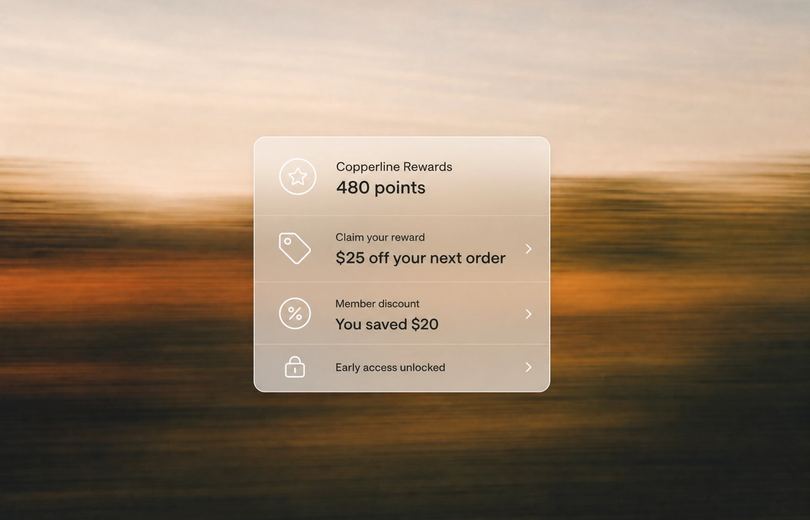
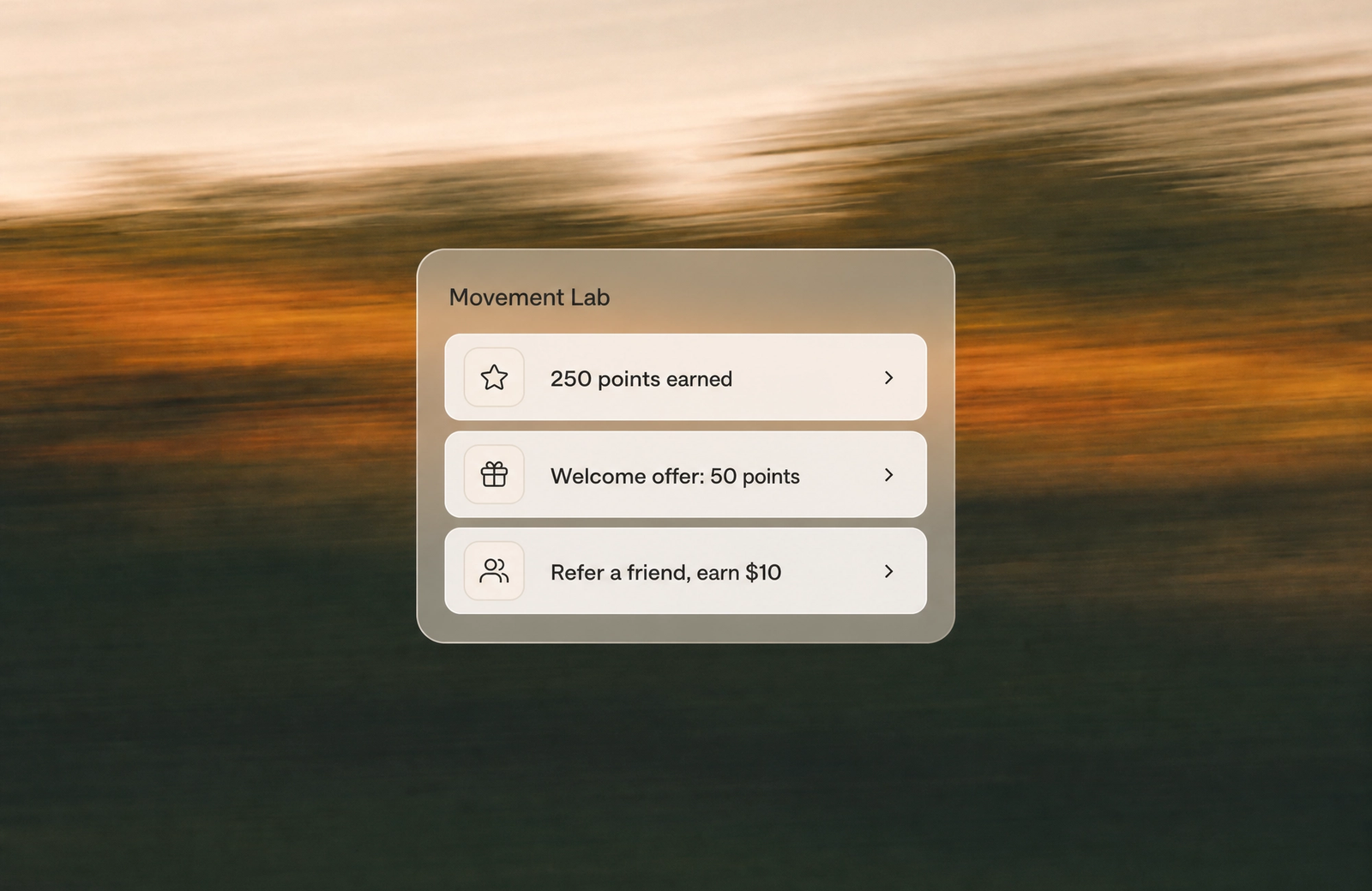
The layering strategies are concrete. Consider points on recurring charges. Instead of only earning points for one-time purchases, subscribers earn points on every subscription renewal. A customer on a $30/month subscription earns 30 points monthly. Over a year, that's 360 points—a substantial redemption. Suddenly, the subscription isn't just about the product. It's also a points-earning mechanism that builds toward rewards.
Or milestone rewards. Automate special recognition when subscribers hit milestones. A customer's third renewal receives a bonus 50 points. Their sixth renewal gets a free premium product. Their twelfth renewal unlocks VIP tier status. These milestones celebrate loyalty without increasing operational overhead. They're automated, but they feel personal.
You can also allow redeeming rewards for subscription discounts. Customers accumulate 100 points. Instead of redeeming for a discount on a one-time purchase, they redeem toward a subscription renewal. This directly reduces churn because the customer has sunk value into the program and can extract real benefit by staying subscribed.
Tiered loyalty for subscribers is another powerful layer. Offer VIP tiers with increasing benefits tied to subscription tenure. A subscriber in their first year is Bronze. Year two, they're Silver. Year three or beyond, they're Gold. Each tier unlocks new benefits: free shipping (Bronze), early access to new products (Silver), exclusive items or personal support (Gold). Tenure becomes rewarded. Stickiness increases.
Referral programs for subscribers add another dimension. Incentivize existing subscribers to refer new customers. The referrer earns points or a discount. The referred customer gets an incentive to sign up. Both the subscription base and loyalty engagement grow simultaneously.
Why does this combination reduce churn? Because it addresses the actual reasons subscribers cancel. They don't cancel because billing is inconvenient. They cancel because they don't perceive sufficient value, because they feel underappreciated, or because life circumstances changed. A well-designed loyalty layer directly counters the first two. It ensures subscribers see tangible, ongoing value (points, rewards, exclusive perks) and feel recognized (tier advancement, milestone celebrations). When a subscriber is also a loyalty member who's unlocked status and accumulated rewards, canceling means walking away from perceived value. That friction prevents churn.
Mage's Solution: Powering Loyalty for Subscription Brands on Shopify
The Challenge of Subscription Loyalty (and Why Mage is Different)
Most loyalty platforms treat subscriptions as an afterthought. A subscription renewal looks like a one-time purchase. The system logs it. The customer might earn points. But there's no subscription-specific logic. No understanding that this is a recurring charge. No ability to trigger milestone rewards or apply subscription-specific rules.
This is a critical gap. Subscription brands need a loyalty platform that understands recurring revenue structures. They need to define loyalty rules that specifically account for subscription behavior. They need integration with their subscription platform—Recharge, Skio, Bold Subscriptions—that goes beyond basic data syncing.
This is where subscription-native integration matters. Shopify-native loyalty platforms like Mage Loyalty, Rivo, and Growave offer deep integrations with leading subscription apps. Mage, for example, integrates natively with Recharge, Skio, and Bold Subscriptions, allowing brands to create loyalty rules that explicitly account for recurring orders.
How Mage Elevates Your Combined Strategy
With a platform designed for subscription loyalty, the mechanics become elegant. Customers earn loyalty points on every recurring subscription payment, not just the initial order. Apply those rewards directly to future subscription renewals. Set up automated milestone rewards. A customer's sixth subscription renewal triggers a bonus 75 points or a free premium product. Their anniversary of signing up triggers a special offer.
Personalized engagement becomes possible through integrations with email and SMS platforms like Klaviyo, Omnisend, and Postscript. Segment messaging to subscribers based on their loyalty status, tier, or points balance. Send a congratulatory email when they unlock a new tier. Remind them of their accumulated points before they expire. Celebrate subscription anniversaries with exclusive offers.
A branded customer portal is equally important. Subscribers need a single place to manage both their subscription and their loyalty status. They can view renewal dates, payment information, loyalty points, tier progress, and available rewards in one branded space. This reduces support inquiries and increases engagement because customers understand the full value they're receiving.
For larger brands on Shopify Plus, enterprise features like real-time dashboards for subscription-specific loyalty metrics and dedicated account management provide the operational backbone needed to scale.
Choosing Your Strategy and Building a Future-Proof Retention Model
Assess Your Product and Customer Journey
Start by understanding your product. Is it consumable or durable? Do customers buy once or repeatedly? What's the natural purchase cadence? If customers need your product weekly, a subscription is sensible. If they buy annually or bi-annually, loyalty programs make more sense.
Then understand your customer. What problem are they solving? Do they value convenience above all else? Then subscriptions address their primary need. Are they motivated by status, exclusivity, and recognition? Then loyalty programs hit their psychological buttons.
Consider your current acquisition costs. If you're spending heavily on customer acquisition, retention becomes critical. Loyalty programs directly tackle retention by rewarding engagement and building emotional connection.
Think about your brand identity. Are you aspirational and community-driven? Loyalty programs build that. Are you convenience-focused and utilitarian? Subscriptions support that.
Finally, audit your competition. What are competitors doing? Are subscription-heavy brands seeing customer satisfaction issues? Are loyalty programs underutilized in your category? Opportunities exist in the gaps.
Start Small, Scale Smart
Design Shopify VIP tiers that reflect your business model, then pilot with a subset of customers. Run the combined strategy on a small segment first. Test loyalty mechanics on your subscription base. Measure engagement, retention, and revenue impact. Once you see positive signals, scale.
Use A/B testing throughout. Test different point values. Test different reward types. Test different milestone timings. The data will reveal what actually moves your customer base.
Gather customer feedback directly. Ask subscribers why they remain subscribed. Ask inactive loyalty members why they don't engage. Let customers guide your optimization.
Continuous Optimization
Treat your combined loyalty-subscription strategy as a living system, not a set-it-and-forget-it installation. Track key loyalty program metrics that matter: engagement rates, redemption rates, subscription churn, customer lifetime value, and segment-specific retention. Monitor quarterly. Identify trends.
If certain segments show higher churn, create targeted loyalty interventions. If rewards go unredeemed, adjust the redemption experience or point values. If specific tiers see higher tenure, replicate those dynamics elsewhere.
Adapt to market conditions. Subscription fatigue is real. Customers are increasingly skeptical of subscriptions. A strong loyalty layer is your defense. It ensures subscribers feel valued beyond the recurring billing cycle. As competitive pressure increases, the brands that combine subscriptions with genuine loyalty will outperform those relying on subscriptions alone.
Future-proof your strategy by maintaining flexibility. As customer expectations evolve, your program needs to evolve with them. Build on a platform that allows customization, integrates with your tech stack, and provides real-time visibility into performance.
Frequently Asked Questions
Is a paid loyalty program the same as a subscription?
A paid loyalty program differs fundamentally from a subscription, even though both require recurring payment. Subscriptions charge customers to receive an ongoing product or service (e.g., monthly beauty boxes). Paid loyalty programs charge an upfront fee (annual membership) for access to exclusive rewards, discounts, and perks that drive engagement across your catalog. With subscriptions, the customer receives automatic delivery of a product. With paid loyalty, the customer receives exclusive benefits and the opportunity to earn additional rewards through engagement.
Can I run a loyalty program without a subscription model?
Yes. Loyalty programs function independently of subscriptions and work across any business model. A high-frequency retail brand, a jewelry boutique, or a digital product marketplace can all implement loyalty programs to reward repeat purchases and engagement. Subscriptions serve a specific purpose—automating replenishment of consumable products—but loyalty programs are universally applicable. They reward behavior and build retention, regardless of whether subscriptions are part of your model.
How does loyalty improve subscription retention?
Loyalty programs reduce subscription churn by making subscribers feel recognized and providing tangible, ongoing value beyond the product itself. When subscribers earn points on recurring payments, unlock milestone rewards, and progress through tiers, they feel invested in the program. They've accumulated value—points, status—that they'd lose by canceling. Additionally, loyalty programs enable personalized communication that reinforces the value proposition and celebrates subscriber milestones, strengthening emotional connection and reducing the perceived cost of staying subscribed.
What are the key metrics to track for a combined loyalty and subscription strategy?
The essential metrics are: subscription churn rate, loyalty engagement rate (percentage of subscribers actively earning and redeeming points), average customer lifetime value segmented by loyalty tier, reward redemption rate, and repeat purchase frequency for subscribers. Additionally, track cohort retention—compare 3-month, 6-month, and 12-month retention rates for subscribers who are loyalty members versus those who aren't. These metrics reveal whether your combined strategy is actually reducing churn and increasing lifetime value. Platforms such as Mage Loyalty, Rivo, and Growave offer dashboards that track these metrics natively.
What's the difference between loyalty and a membership program?
A membership program is a category that includes both subscriptions and paid loyalty programs. Membership programs typically require upfront payment for access to defined benefits. Some memberships (like Amazon Prime) deliver a specific service automatically. Others (like paid loyalty programs) deliver exclusive perks and rewards. All memberships are transaction-based, but not all are subscriptions. A paid loyalty program is a membership without recurring delivery of a physical product.
Can I combine loyalty programs with subscriptions for maximum retention?
Absolutely. Combining subscriptions with loyalty programs creates a synergistic retention model. Subscriptions provide operational predictability and convenience. Loyalty layered on top builds emotional investment and engagement. Together, they address both rational and emotional reasons customers stay. A subscriber who's also earning points, unlocking tier status, and redeeming rewards feels considerably more invested in your brand than one simply receiving recurring charges. The combination directly reduces churn and increases lifetime value.

Graeme is the co-founder at Mage Loyalty. He heads product development, from complex loyalty migrations and large-scale data handling to building the features shaping the future of loyalty on Shopify.